Month: August 2024

  • The Best Marketing Automation Software

    The Best Marketing Automation Software

    The Best Marketing Automation Software

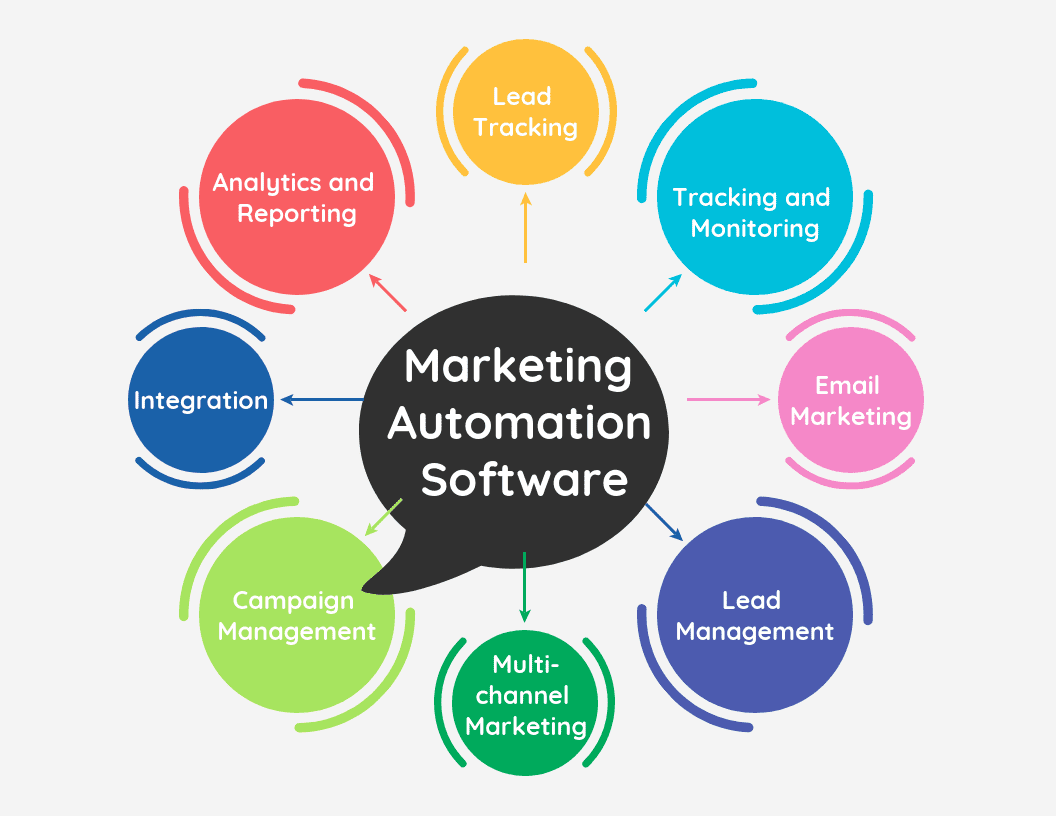
    all marketers in this world search for The Best Marketing Automation Software without knowing whats is marketing automation software ? In today’s fast-paced and competitive business landscape, marketing has evolved from just a supporting function to a critical engine of growth. With customers expecting more personalized experiences and marketing channels multiplying, managing everything manually isn’t feasible anymore. This is where Marketing Automation Software becomes essential. By automating repetitive marketing tasks, businesses can streamline their processes, ensure consistency in communication, and focus more on strategy and creative aspects that drive growth.

    What is Marketing Automation Software?   Marketing Automation Software is a tool that automates various marketing tasks and workflows, including email campaigns, social media scheduling, lead generation, customer segmentation, and campaign tracking. These platforms help businesses reach the right audience at the right time with personalized messages, thereby enhancing the efficiency of marketing efforts and increasing the chances of converting leads into customers.

    Table of Contents
    1. Introduction: The Best Marketing Automation Software
    2. Why Small Businesses Need Marketing Automation
    3. Top Marketing Automation Software for Small Companies

    4. Why You Should Hire an Expert from Fiverr
    5. Conclusion: Take the Next Step with Fiverr Experts
    6. References

    Introduction:

    In today’s competitive business landscape, marketing automation software is no longer a luxury but a necessity for small companies. The best marketing automation software can help streamline your marketing efforts, save time, and boost productivity. These systems enable businesses to automate repetitive tasks, nurture leads, and ultimately increase revenue. With the right automation tools, small companies can manage their marketing campaigns more efficiently, allowing them to compete with larger enterprises.

    Some of the standout features of marketing automation software include:

    • Automated email campaigns
    • Social media scheduling
    • Customer segmentation
    • Analytics and reporting
    • Integration with other business tools

    However, to unlock the full potential of these systems, it is crucial to customize them according to the specific needs of your business. This is where expert assistance comes in, ensuring that your marketing automation software is set up for success.

    Why Small Businesses Need Marketing Automation

    Marketing automation is essential for small businesses because it allows them to do more with less. By automating repetitive tasks such as email marketing, social media posts, and lead nurturing, small companies can focus on more strategic activities like building relationships with customers and closing deals. Automation also ensures that no opportunities are missed, as the software can track and manage leads efficiently.

    Moreover, these tools can help small businesses scale their marketing efforts without needing to hire additional staff. By integrating various marketing channels into one platform, companies can create consistent and personalized customer experiences. This level of efficiency is vital for small businesses looking to grow and compete in the market.

    Top Marketing Automation Software for Small Companies

    Zapier: Automate Your Marketing with Ease
    The Best Marketing Automation Software
    The Best Marketing Automation Software

    Zapier is a powerful automation tool that connects over 6,500 apps, allowing businesses to automate workflows without writing any code. With Zapier, small companies can automate tasks such as posting on social media, sending emails, and managing customer data. It’s perfect for those looking for a simple, user-friendly solution that can integrate with various marketing tools. Whether you want to set up automated email campaigns or streamline your social media management, Zapier can help you save time and focus on growing your business.

    Features:

    • App Integrations: Connects with 6,500+ apps for seamless automation.
    • NoCode Workflow: Create workflows (Zaps) without coding.
    • MultiStep Automations: Automate multiple tasks in one workflow.
    • Conditional Logic: Use filters to run Zaps under specific conditions.
    • Scheduling: Set Zaps to run at specific times.
    • Custom Webhooks: For more advanced users to integrate with APIs.

    Pricing:

    Free Plan: Basic features with limited Zaps.

    • Starter: $19.99/month.
    • Professional: $49/month.
    • Team: $69/month.
    • Company: Custom pricing based on requirements.

    Workato: Advanced Automation for Growing Businesses
    The Best Marketing Automation Software

    For businesses that need more advanced automation capabilities, Workato is a top choice. This platform offers intelligent process automation that supports complex workflows across multiple applications. With Workato, you can create custom automation recipes that suit your specific marketing needs. Its AI-driven tools can handle tasks like customer segmentation and personalized marketing campaigns. Although Workato is more complex, it’s ideal for businesses that need a robust solution that can grow with them.

    Features:

    • App Integrations: Supports complex workflows with 1,000+ apps.
    • AIPowered Automation: Intelligent automation for more advanced tasks.
    • Recipe Builder: Create and customize automation recipes.
    • Collaboration Tools: Allows teams to collaborate on automation processes.
    • Security: Enterprisegrade security features and compliance.
    • RealTime Monitoring: Track and analyze automation performance in real time.


    Pricing:

    • Custom Pricing: Tailored to business needs (contact sales for details).

    ClickUp: Streamline Your Marketing Processes
    The Best Marketing Automation Software

    ClickUp is not just a project management tool; it’s also a powerful automation platform that can streamline your marketing processes. With ClickUp, you can create automated workflows, manage tasks, and collaborate with your team—all in one place. It integrates with various marketing tools, allowing you to automate everything from content creation to email marketing. ClickUp’s flexibility makes it a great option for small businesses that need a comprehensive solution to manage their marketing efforts.

    Features:

    • Task Management: Integrate marketing tasks with automated workflows.
    • Custom Automations: Create custom workflows to automate repetitive tasks.
    • Time Tracking: Track time spent on marketing activities.
    • Collaboration: Shared documents and realtime collaboration.
    • Templates: Prebuilt templates to get started quickly.
    • Integration: Supports integrations with 1,000+ tools.

    Pricing:

    • Free Plan: Basic features for individuals or small teams.
    • Unlimited: $7/month per user.
    • Business: $12/month per user.
    • Enterprise: Custom pricing based on needs.

    Studio Creatio: No-Code Automation for All

    The Best Marketing Automation Software

    Studio Creatio is a no-code platform that enables businesses to automate workflows and build applications without any programming knowledge. This makes it an excellent choice for small companies that need to automate their marketing processes but don’t have the technical expertise to do so. With Studio Creatio, you can design and automate marketing workflows using an intuitive drag-and-drop interface. It also offers advanced reporting and analytics, helping you optimize your marketing strategies.

    Features:

    • NoCode Workflow Automation: Create automation workflows without programming.
    • Process Designer: Draganddrop interface for building workflows.
    • Advanced Reporting: Generate reports to analyze marketing performance.
    • Custom Forms: Build and automate marketing forms.
    • Integrations: Connect with various thirdparty apps through APIs.
    • Mobile Accessibility: Manage workflows on the go with a mobilefriendly platform.

    Pricing:

    • Free Trial: Available for testing.
    • Custom Pricing: Based on specific business requirements (contact sales for details).

    Why You Should Hire an Expert from Fiverr

    Why You Should Hire an Expert from Fiverr?
    Why You Should Hire an Expert from Fiverr?

    While marketing automation software can significantly boost your business, setting it up correctly is crucial to getting the most out of it. Customizing these platforms to align with your business goals requires expertise, especially if you want to ensure seamless integration with your existing tools and processes. This is where hiring an expert from Fiverr can make a difference.

    Fiverr offers a wide range of professionals who specialize in customizing marketing automation software. Unlike private agencies that charge high fees, Fiverr experts provide affordable, high-quality services that can be tailored to your budget. By hiring a Fiverr expert, you can ensure that your marketing automation software is set up correctly, allowing you to focus on what you do best—running your business.

    Conclusion:

    How to Find the Right Fiverr Expert

    Investing in the best marketing automation software is a smart move for any small business. However, to fully leverage these tools, you need them to be customized to your unique needs. Instead of spending valuable time trying to figure out how to do this yourself, consider hiring an expert from Fiverr. With Fiverr, you can find professionals who will ensure that your automation software is configured to maximize efficiency and results. Don’t miss out on the opportunity to streamline your marketing efforts—visit Fiverr today and find the right expert for your business.

    References

    – “21 Best Workflow Automation Software Reviewed For 2024.
    – “Best Workflow Automation Software 2024.
    – “10 Best Workflow Automation Software Tools in 2024.

  • The Best document management systems

    The Best document management systems

    The Best Document Management Systems

    The Best document management systems

    Table of Contents

    1. Introduction
    2. PandaDoc
    3. Microsoft SharePoint
    4. Google Sheets
    5. Dropbox Business
    6. OneDrive
    7. The Importance of Expert Customization
    8. Why Choose Fiverr for Customization
    9. Conclusion

    Introduction

    In the fast-paced world of business, managing documents efficiently is crucial for maintaining productivity and organization. The best document management systems (DMS) are designed to streamline the storage, retrieval, and sharing of documents, ensuring that you and your team can access important files with ease. These systems offer a range of features that cater to different business needs, from document storage and collaboration to advanced security and integration capabilities. Let’s dive into some of the top document management systems available today—PandaDoc, Microsoft SharePoint, Google Sheets, Dropbox Business, and OneDrive—and explore how each can benefit your small business.

    • PandaDoc

    The Best document management systems
    The Best document management systems

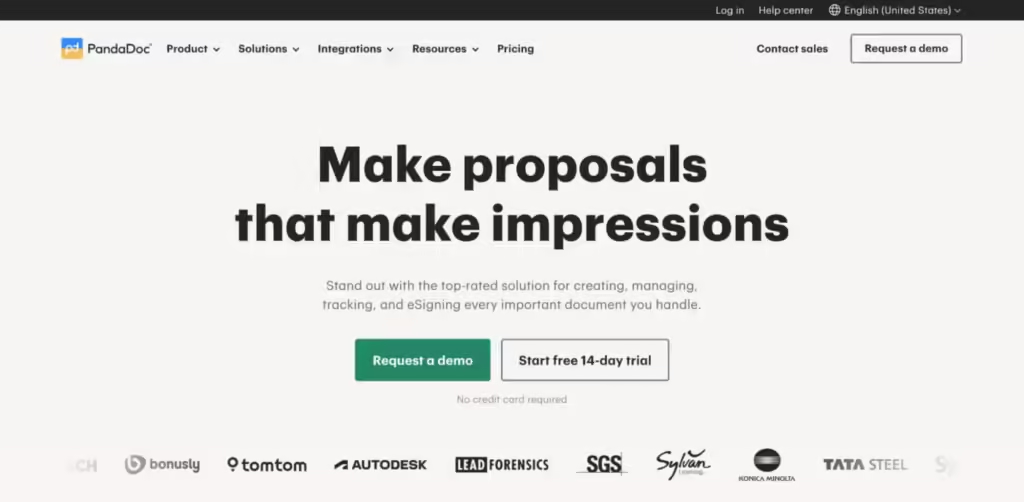
    PandaDoc is a powerful document management system tailored for businesses that need to handle contracts, proposals, and agreements efficiently.

    E-Signatures: Streamlines the signing process with electronic signatures, reducing the need for physical paperwork.
    Document Templates: Offers a range of customizable templates to create professional documents quickly.
    Workflow Automation: Automates document workflows, saving time and reducing manual errors.
    Integration: Integrates with popular CRM and payment systems for seamless operations.
    Analytics: Provides detailed analytics on document interactions and performance.

    PandaDoc can be a game-changer for managing contracts and proposals, but to fully leverage its features, professional customization is essential. Find a Fiverr expert who can tailor PandaDoc to fit your specific document workflows and business processes. Explore Fiverr’s PandaDoc experts here

    • Microsoft SharePoint

    The Best document management systems
    The Best document management systems

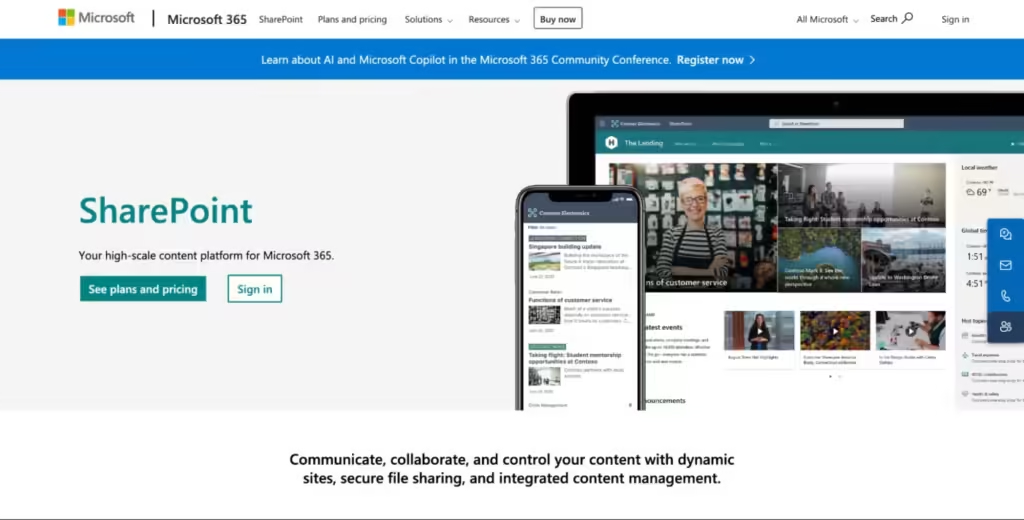
    Microsoft SharePoint is a robust DMS that excels in collaboration and content management.

    Collaboration Tools: Facilitates team collaboration with shared workspaces and document libraries.
    Version Control: Keeps track of document versions, allowing you to revert to previous versions if needed.
    Customizable Workflows: Allows you to create custom workflows and automate business processes.
    Integration: Integrates seamlessly with Microsoft Office and other Microsoft products.
    Security: Provides advanced security features to protect sensitive information.

    To ensure Microsoft SharePoint is optimized for your specific business needs, expert customization is crucial. Hire a Fiverr specialist to configure SharePoint to your exact requirements, enhancing its functionality for your business. Find a SharePoint expert on Fiverr  for tailored solutions.

    • Google Sheets

    The Best document management systems
    The Best document management systems

    Google Sheets is more than just a spreadsheet tool; it’s a versatile document management solution with several valuable features.

    Real-Time Collaboration: Enables multiple users to work on the same document simultaneously.
    Cloud Storage: Automatically saves your documents to the cloud, ensuring they’re accessible from anywhere.
    Integration: Integrates with other Google Workspace tools and third-party applications.
    Data Analysis: Provides advanced functions and data analysis capabilities for complex document management needs.
    Accessibility: Offers easy access and sharing options, making it a convenient choice for teams.

    Google Sheets is ideal for collaborative document management, but proper setup and customization are key to maximizing its potential. Connect with a Fiverr expert to tailor Google Sheets to your business workflows and improve overall efficiency. Check out Fiverr’s Google Sheets experts here

    • Dropbox Business

    The Best document management systems
    The Best document management systems

    Dropbox Business provides a cloud-based solution for document storage and sharing, with features designed to enhance team productivity.

    File Sharing: Simplifies file sharing with secure links and permissions.
    Cloud Storage: Offers scalable cloud storage options, allowing you to store and access large amounts of data.
    Syncing: Ensures files are synchronized across all devices, providing seamless access.
    Collaboration Tools: Includes features for team collaboration, such as shared folders and comments.
    Security: Provides robust security features to protect your documents.

    For optimal use of Dropbox Business, expert customization is important to align it with your specific business processes. Find a Fiverr freelancer who can configure Dropbox Business to meet your needs and enhance its functionality. Explore Dropbox Business services on Fiverr

    • OneDrive

    The Best document management systems
    The Best document management systems

    OneDrive is Microsoft’s cloud storage solution that integrates well with other Microsoft products, making it a convenient choice for document management.

    Seamless Integration: Works effortlessly with Microsoft Office applications and other Microsoft services.
    File Sharing: Allows easy sharing of files and folders with customizable permissions.
    Version History: Keeps a history of file versions, enabling easy retrieval of previous versions.
    Collaboration: Supports real-time collaboration on documents.
    Cloud Storage: Provides reliable cloud storage with easy access from any device.

    OneDrive can be highly effective for document management when customized properly. Hire a Fiverr expert to set up and optimize OneDrive for your business needs, ensuring that you get the most out of its features. Find OneDrive experts on Fiverr here

    The Importance of Expert Customization

    While these document management systems offer a wide array of features, achieving the best results often requires expert customization. Tailoring a DMS to your specific business processes and workflows ensures that you fully leverage its capabilities, enhancing productivity and efficiency. Private agencies can be expensive, but Fiverr provides a cost-effective alternative. By connecting with skilled freelancers on Fiverr, you can get customized solutions at a fraction of the cost, making expert-level configuration and optimization more accessible.

    Why Choose Fiverr for Customization

    Elevate your document management with expert customization from Fiverr. Fiverr connects you with talented professionals who can tailor your DMS system to meet your exact business needs, offering a budget-friendly alternative to traditional high-cost agencies. Find the right freelancer on Fiverr today to help you optimize your chosen DMS for maximum efficiency and effectiveness. [Explore Fiverr’s expert services here](https://www.fiverr.com) and take the first step towards transforming your document management practices.

    Conclusion

    Choosing the right document management system is essential for maintaining efficiency and organization in your small business. Whether you opt for PandaDoc, Microsoft SharePoint, Google Sheets, Dropbox Business, or OneDrive, each system offers unique features that can benefit your operations. To fully harness the power of these DMS solutions and ensure they are customized to fit your specific needs, expert assistance is crucial.

    Invest in expert customization from Fiverr to tailor your document management system effectively and enhance your business processes. Discover Fiverr’s services now and unlock the full potential of your DMS for greater success and productivity.+

    you can also read this guide : The Ultimate Guide to Document Management Systems (DMS)

    References:

    1. PandaDoc

    2. Microsoft SharePoint

    3. Google Sheets:

    4. Dropbox Business

    5. Microsoft OneDrive

  • Best CRM For Small Business Of 2024

    Best CRM For Small Business Of 2024

    Best CRM For Small Business Of 2024

    Unlocking Efficiency: A Comprehensive Guide to CRM Systems for Small Businesses

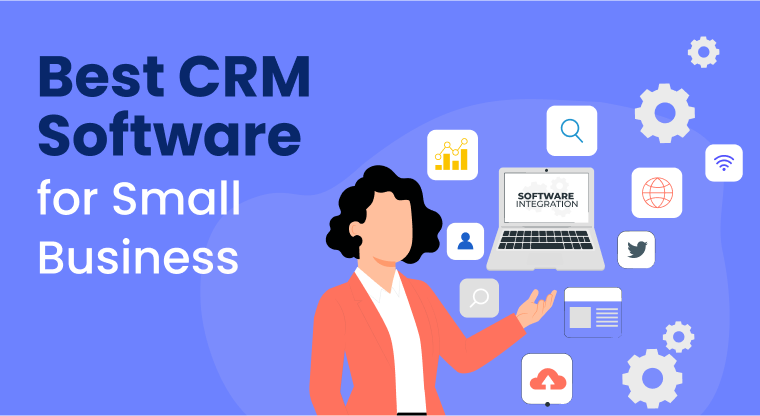
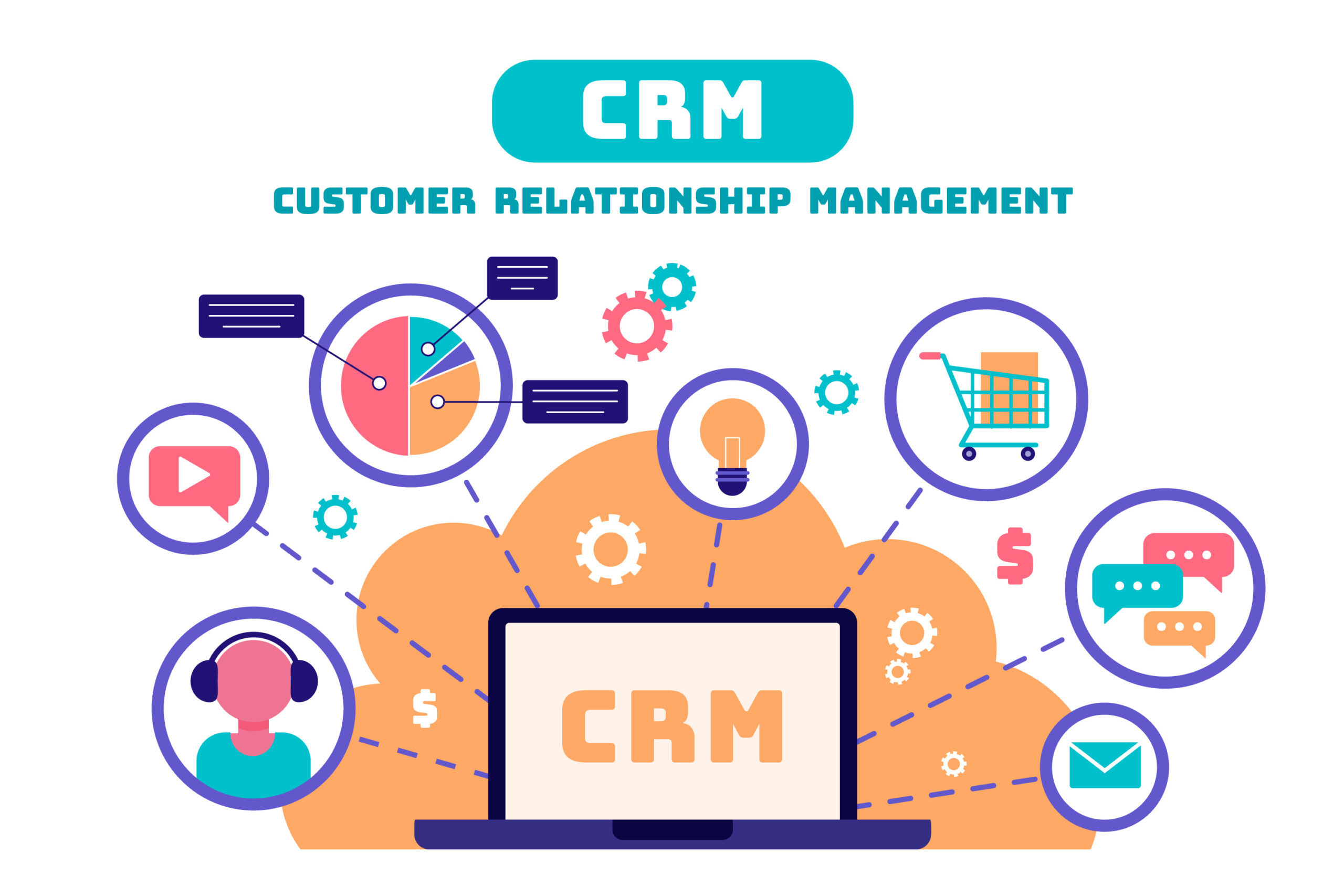
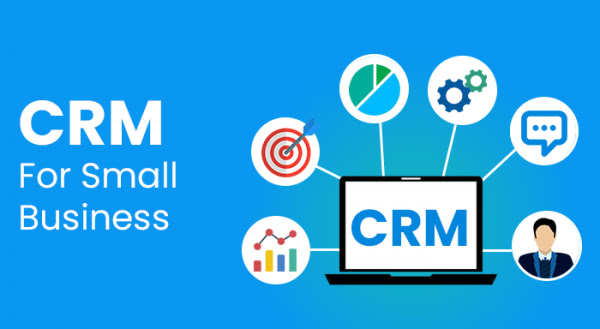
    Do you need Best CRM For Small Business of 2024? . Yes ! so  In today’s competitive business landscape, managing customer relationships and streamlining operations is more crucial than ever. A Customer Relationship Management (CRM) system can be a game-changer for small businesses, offering a structured way to manage interactions, track leads, and improve overall efficiency. By automating various aspects of customer management, CRMs help you stay organized, boost sales, and enhance customer satisfaction. Whether you’re looking to keep track of client communications, manage sales pipelines, or analyze performance metrics, the right CRM system can significantly impact your business’s success.

    Here’s a closer look at some of the top CRM systems available for small businesses: HubSpot CRM, Salesforce Essentials, Zoho CRM, Monday CRM, and Odoo CRM. Each of these platforms offers unique features and benefits, making them suitable for different business needs.


    Table Of Contents:

    1. HubSpot CRM
    2. Salesforce Essentials
    3. Zoho CRM
    4. Monday CRM
    5. Odoo CRM
    6. Elevate your CRM experience by hiring an expert from Fiverr to customize your chosen CRM system


    Are you ready to supercharge your business with a CRM system but worried about the high costs of expert installation? Discover how turning to Fiverr can provide you with tailored CRM solutions at a fraction of the price of traditional agencies, ensuring you get the perfect fit for your business without overspending.

    Why Choosing Fiverr Experts for CRM Installation is a Smart, Cost-Effective Alternative to High-Priced Agencies?

    When installing a CRM system tailored to the specific needs of your business, consulting an expert is crucial for ensuring the system’s seamless integration and optimal functionality. While private agencies may offer high-priced solutions, turning to Fiverr for CRM customization services presents a cost-effective and flexible alternative. Fiverr connects you with skilled professionals who can configure and fine-tune your CRM system to align perfectly with your business processes, often at a fraction of the cost charged by traditional agencies. This approach not only saves you money but also provides access to a diverse pool of experts, enabling you to find the right fit for your unique requirements. By leveraging Fiverr’s expertise, you ensure that your CRM system is precisely customized to enhance productivity and drive success, without breaking the bank.

    1. HubSpot CRM

    HubSpot CRM is renowned for its user-friendly interface and robust feature set. It’s a popular choice for small businesses due to its flexibility and comprehensive functionality.

    • Ease of Use: HubSpot CRM is intuitive, making it accessible even for those without extensive technical knowledge.
    • Free Tier: The platform offers a free version with essential features, making it an attractive option for startups and small businesses.
    • Integration Capabilities: Seamlessly integrates with a wide range of tools and apps, enhancing your ability to manage various business functions from one place.
    • Marketing Automation: Provides automation tools that help streamline marketing campaigns and lead nurturing processes.
    • Customizable Dashboards: Offers customizable dashboards and reports to monitor sales performance and customer interactions.

    To fully leverage the power of HubSpot CRM and ensure it’s tailored to your business needs, consider hiring a Fiverr expert to customize it for you. Expert customization can enhance the system’s functionality, making it perfectly suited to your specific requirements. Explore Fiverr’s services here to find the right expert for your HubSpot CRM setup.

    2. Salesforce Essentials

    Salesforce Essentials is a robust CRM designed specifically for small businesses, offering a powerful suite of tools to manage customer relationships and drive growth.

    • Comprehensive Features: Includes advanced features like sales tracking, customer service management, and automation tools.
    • Customization: Highly customizable to fit various business needs, allowing you to tailor the CRM to your specific processes.
    • Scalability: Designed to grow with your business, making it a long-term solution as your company expands.
    • Integration: Integrates with numerous third-party applications, enhancing functionality and streamlining operations.
    • Support and Training: Offers extensive support and training resources to help users get the most out of the system.

    For optimal use of Salesforce Essentials, it’s crucial to have an expert tailor the CRM to your business processes. Professional customization ensures you maximize the platform’s potential and align it with your unique needs. Find a Salesforce expert on Fiverr to get started with customized solutions.

    3. Zoho CRM

    Zoho CRM is known for its affordability and extensive feature set, making it a popular choice among small businesses.

    • Cost-Effective: Offers a range of pricing plans, including a free version with essential features, making it budget-friendly.
    • Automation: Provides powerful automation tools for sales processes, marketing campaigns, and customer support.
    • Customization: Highly customizable with a wide range of modules and workflows that can be tailored to your specific business requirements.
    • Multi-Channel Communication: Integrates various communication channels, including email, social media, and live chat, for a unified customer experience.
    • Analytics and Reporting: Features robust analytics and reporting tools to track performance and gain insights into customer behavior.

    To ensure Zoho CRM is set up to meet your exact business needs, professional customization is essential. Hire a Fiverr expert to configure Zoho CRM for maximum efficiency and effectiveness. Browse Fiverr for Zoho CRM customization services.

    4. Monday CRM

    Monday CRM is celebrated for its visual and user-friendly interface, making it easy for teams to collaborate and manage customer relationships effectively.

    • Visual Workflows: Features a highly visual interface that makes it easy to manage projects and track sales processes.
    • Flexibility: Offers flexibility with customizable workflows and automation to fit various business models and processes.
    • Collaboration Tools: Includes built-in collaboration tools that enhance team communication and project management.
    • Integration: Integrates with popular tools and apps, allowing for seamless workflow across different platforms.
    • Real-Time Updates: Provides real-time updates and notifications to keep everyone on the same page.

    For the best results with Monday CRM, consider having an expert from Fiverr tailor the system to your specific needs. Professional customization will help you utilize all of Monday CRM’s features effectively. Find a Monday CRM specialist on Fiverr to get started.

    5. Odoo CRM


    Odoo CRM stands out with its modular approach, allowing businesses to integrate CRM with other Odoo applications for a comprehensive business management solution.

    • Modular System: Offers a range of modules that can be integrated with CRM, including finance, inventory, and project management.
    • Customizable: Highly customizable to fit specific business processes and workflows.
    • Open Source: The community edition is open-source, providing flexibility and cost savings.
    • Integrated Apps: Seamlessly integrates with other Odoo apps, creating a unified business management ecosystem.
    • User-Friendly: Provides a user-friendly interface that simplifies CRM tasks and enhances productivity.

    To ensure Odoo CRM is optimized for your business, professional customization is key. Hire a Fiverr expert to tailor Odoo CRM to your specific needs and get the most out of its extensive features. Check out Fiverr’s Odoo CRM experts for customization services.

    Conclusion for Best CRM For Small Business

    Choosing the right CRM system is crucial for managing customer relationships and driving business growth. HubSpot CRM, Salesforce Essentials, Zoho CRM, Monday CRM, and Odoo CRM each offer unique features and benefits tailored to different business needs. To fully harness the power of these CRMs and ensure they’re customized to fit your business processes, it’s essential to seek professional assistance.

    Elevate your CRM experience by hiring an expert from Fiverr to customize your chosen CRM system. Discover Fiverr’s expert services here and get started on optimizing your CRM for maximum impact and efficiency.

    Here’s a breakdown of Fiverr’s features and how they can assist in customizing your CRM system and growing your business:

    Features of Fiverr Freelance

    1. Diverse Talent Pool
      • Description: Fiverr offers access to a global network of freelancers with expertise in various fields, including CRM customization, marketing, and tech support.
      • Benefit: You can find specialized professionals who have the exact skills needed to tailor your CRM system to your business requirements.
    2. Affordable Pricing
      • Description: Fiverr provides a range of services at different price points, allowing you to choose solutions that fit your budget.
      • Benefit: Customizing your CRM can be achieved without the high costs typically associated with traditional agencies, making it accessible for small businesses.
    3. Customizable Services
      • Description: Freelancers on Fiverr offer customizable packages and services tailored to your specific needs.
      • Benefit: You can work with experts to create a CRM setup that aligns perfectly with your business processes, ensuring the system meets all your operational needs.
    4. User Reviews and Ratings
      • Description: Fiverr features reviews and ratings from previous clients, providing insights into the quality of work and reliability of freelancers.
      • Benefit: You can make informed decisions by selecting highly-rated professionals with a proven track record in CRM customization.
    5. Fast Turnaround Times
      • Description: Many Fiverr freelancers offer quick turnaround times, often completing projects faster than traditional agencies.
      • Benefit: You can implement CRM customizations and enhancements swiftly, minimizing downtime and accelerating your business growth.

    How Fiverr Can Help Customize Your CRM and Grow Your Business

    1. Tailored CRM Customization
      • How: Fiverr freelancers can customize your CRM system to align with your specific business workflows, from setting up automated processes to integrating with other tools.
      • Impact: A CRM tailored to your needs enhances efficiency, streamlines operations, and improves customer relationship management, driving business growth.
    2. Affordable Expertise
      • How: By using Fiverr, you gain access to expert CRM consultants and developers at competitive rates, avoiding the high costs of traditional agencies.
      • Impact: Cost-effective solutions allow you to invest more in other areas of your business while still achieving a professional and effective CRM setup.
    3. Enhanced Functionality
      • How: Freelancers can add advanced features and integrations to your CRM system, such as custom dashboards, advanced reporting, and third-party integrations.
      • Impact: Enhanced functionality leads to better data insights, improved decision-making, and more effective customer management.
    4. Scalable Solutions
      • How: Fiverr professionals can help you set up a CRM system that scales with your business growth, providing ongoing support and adjustments as needed.
      • Impact: A scalable CRM system ensures that your business can adapt to changing needs and growth without outgrowing your current setup.
    5. Expert Guidance and Training
      • How: Many Fiverr freelancers offer training and support services to help you and your team get the most out of your CRM system.
      • Impact: Proper training ensures that your team utilizes the CRM effectively, maximizing its benefits and contributing to overall business success.

    By leveraging Fiverr’s extensive network of skilled freelancers, you can achieve a customized CRM solution that fits your business perfectly, all while keeping costs manageable and ensuring that your system supports your growth objectives.

    If You need read more for CRM System Read This : The Importance of Having a CRM for Your Small Business

    Or Watch This Video from Stewart Gauld Channel :

    References

  • Top 5 Google tools for small business

    Top 5 Google tools for small business

    5 Essential Google Tools Every Small Business Owner Should Use


    If you’re looking to grow your business, we recommend starting with Google tools. Why? It’s a great question, and in this article, we’ll share the Top 5 Google tools for small business should use.

    Running a business is no small task. You’re juggling operations, sales, admin work, client relationships, finances, and—most importantly—marketing, which drives your business and puts you in front of your target audience. However, executing and managing marketing campaigns is far from easy.

    Table Of Content:

    1. Google WorkSpace
    2. Google Keyword Planner
    3. Google ADS
    4. Google Analytics
    5. Google Alerts

    Elevate your business with these 5 Google tools To attract new customers, streamline your operations, establish a strong online presence, and stay ahead of the competition, Google’s marketing tools are the way to go. Let’s explore them:

    Top 5 Google tools for small business

    1. Google WorkSpace

    Google Workspace
    Google Workspace

    Google My Business is a free tool that allows businesses to create a profile that appears in Google Search and Maps. It helps you manage how your business information—like address, hours, and photos—appears online. By verifying your business and keeping your profile up-to-date, you can improve visibility, attract local customers, and engage with your audience through reviews and posts. It’s an essential tool for boosting your online presence, especially for local businesses.

    Here are five key features of Google My Business:

    1. Business Listing on Google Search and Maps: Create and manage your business profile to ensure accurate information is displayed when customers search for you.

    2. Customer Reviews: Collect and respond to customer reviews, building trust and improving your business’s reputation.

    3. Insights and Analytics: Access data on how customers find your business, including search queries, profile views, and actions taken, to make informed decisions.

    4. Posts and Updates: Share announcements, offers, events, and updates directly on your profile to keep customers informed and engaged.

    5. Messaging: Enable direct messaging with customers, allowing them to ask questions or request information through your Google My Business profile.

    Pricing:

    Free but offers some paid plans starting at $8/user/month.

    2-Google Keyword Planner

    Google Keyword Planner is a free tool that helps businesses discover relevant keywords for their online marketing campaigns. It provides insights into search volumes, keyword trends, and competition levels, allowing you to choose the best keywords for SEO and Google Ads. This tool is essential for optimizing your website content and targeting the right audience effectively.

    Here are five key features of Google Keyword Planner:

    1. Keyword Search Volume: Find out how often specific keywords are searched for on Google, helping you choose the most relevant terms for your campaigns.

    2. Keyword Suggestions: Discover related keywords and new ideas based on your initial search, expanding your reach and targeting.

    3. Competition Analysis: See the competition level for each keyword, allowing you to prioritize keywords that are easier to rank for or more cost-effective for ads.

    4. Cost Estimates: Get estimated bids for keywords in Google Ads, helping you budget and plan your advertising campaigns effectively.

    5. Location-Based Data: Analyze keyword performance by location, enabling you to tailor your campaigns to specific regions or markets.

    3- Google Ads

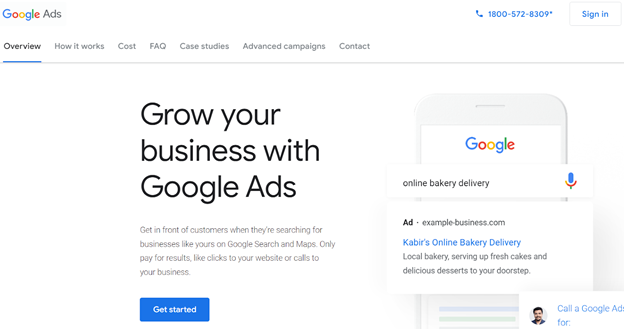
    Google Ads is a powerful tool for reaching the right customers and boosting your sales without breaking the bank. With its pay-per-click (PPC) pricing, you only pay when someone clicks on your ad, making it a cost-effective way to drive traffic to your website.

    Here’s how it works: First, identify the keywords your ideal customers use when searching for solutions you offer. You bid on these keywords and create concise, targeted text ads based on them. You set a budget for your campaign and use Google Ads’ analytics tools to monitor and optimize your results.

    Here are five key features of Google Ads:

    1. Targeted Advertising: Reach specific audiences based on keywords, demographics, interests, and location, ensuring your ads are seen by potential customers who are most likely to engage.

    2. Pay-Per-Click (PPC) Pricing: Only pay when someone clicks on your ad, allowing for budget-friendly and results-driven advertising.

    3. Ad Extensions: Enhance your ads with additional information like phone numbers, location details, or links to specific pages on your website, making your ads more engaging and informative.

    4. Detailed Analytics: Track performance metrics such as clicks, impressions, conversions, and cost, providing insights to optimize your campaigns and improve ROI.

    5. Ad Scheduling: Control when your ads appear by setting specific times and days, helping you target your audience when they are most likely to be active.

    4- Google Analytics

    Google Analytics is a powerful, free tool that provides detailed insights into your website’s performance and user behavior. It tracks key metrics such as visitor numbers, session duration, bounce rates, and traffic sources, helping you understand how users interact with your site. With Google Analytics, you can analyze trends, measure the effectiveness of your marketing campaigns, and make data-driven decisions to improve your website’s user experience and achieve your business goals.

    Here are five key features of Google Analytics:

    1. Audience Insights: Gain detailed information about your website visitors, including their demographics, interests, and geographic locations, helping you understand your audience better.

    2. Traffic Sources: Analyze where your website traffic comes from—whether it’s search engines, social media, direct visits, or referral links—to gauge the effectiveness of your marketing channels.

    3. Behavior Reports: Track how users navigate through your site, including which pages they visit, how long they stay, and their interactions, allowing you to optimize user experience and content.

    4. Conversion Tracking: Set up and monitor goals and e-commerce tracking to measure how well your website achieves key objectives, such as form submissions, purchases, or sign-ups.

    5. Custom Reports and Dashboards: Create tailored reports and dashboards to focus on specific metrics and insights that matter most to your business, making data analysis more relevant and actionable.

    Pricing :

    The basic version of Google Analytics is available at no cost. For advanced features, Google Analytics 360 offers premium plans starting at $150,000 per year.

    5-Google Alerts

    Google Alerts is a fantastic tool for staying updated on mentions, news, or updates related to your chosen keywords or phrases. After setting it up, you’ll get real-time notifications via email or RSS whenever your selected terms are mentioned online.

    This tool is perfect for monitoring your business’s online reputation, promptly addressing any mentions of your brand, and keeping up with the latest industry trends.

    Here are five key features of Google Alerts:

    1. Real-Time Notifications: Receive instant email or RSS feed alerts whenever your chosen keywords or phrases appear online, helping you stay updated on relevant mentions and news.

    2. Customizable Alerts: Tailor your alerts based on keywords, language, region, and the type of sources you want to monitor, ensuring you get the most relevant information.

    3. Simple Setup: Easily create alerts with just a few clicks by entering your keywords and preferred delivery settings, making it accessible and user-friendly.

    4. Comprehensive Coverage: Monitor a wide range of sources, including news articles, blogs, forums, and websites, to get a broad view of online mentions and trends.

    5. Historical Data Access: Review past alerts to track changes in mentions over time, which can help you analyze trends and assess the impact of your online presence.


    conclusion.

    In conclusion, in this article we talking just for Top 5 Google tools for small business but Google’s suite of tools provides a robust foundation for small business owners seeking to enhance their online presence, streamline operations, and drive growth. Google My Business helps you improve local visibility and engage with customers directly, while Google Analytics offers detailed insights into your website’s performance, helping you make informed decisions. Google Ads enables targeted advertising to reach the right audience, and Google Keyword Planner assists with optimizing your content strategy. Google Alerts keeps you updated on relevant mentions and industry trends.

    Beyond these, Google offers additional services that can further benefit your business. Google Workspace (formerly G Suite) enhances productivity with tools like Gmail, Google Drive, and Google Calendar for seamless collaboration and communication. YouTube, a Google platform, provides a powerful channel for content marketing and brand promotion through video. Google Search Console helps you monitor and improve your website’s performance in Google Search results.

    By integrating these diverse Google services, businesses can create a comprehensive strategy that not only drives traffic and engagement but also enhances overall operational efficiency and competitive edge.

    Read More in Business Tool :


  • Top 5 Must-Have Tools for Small Business Success in 2024

    Top 5 Must-Have Tools for Small Business Success in 2024

    Top 5 Must-Have Tools for Small Business Success in 2024
    Top 5 Must-Have Tools for Small Business Success in 2024

    Top 5 Must-Have Tools for Small Business Success in 2024

    Business tools are essential for optimizing operations, enhancing productivity, and unlocking valuable insights. Whether you’re running a small business or managing a department in a larger company, these tools can elevate your business to new heights.
    In this article, we’ve curated a list of powerful business tools designed to help you manage your business with the efficiency and sophistication of a large enterprise.
    By the end of this post, you’ll be equipped to choose the right management tools to propel your business forward.

     What are the types of business tools?

    Business tools can be grouped into the following categories based on their specific functions within a business:
    • Work management tools.
    • Communication tools.
    • Document collaboration tools.
    • Marketing tools.
    • CRM tools.

    20 Best online business tools to use in 2024

    After spending hours researching, reading real user reviews on top websites, and considering insights from industry experts, I’ve put together a list of the best tools for businesses. To make things easier for you, I’ve categorized these tools based on different business functions. I hope this guide helps you find exactly what you need.

    Best work management tools in 2024

    1 – workstatus

    Top 5 Must-Have Tools for Small Business Success in 2024
    Top 5 Must-Have Tools for Small Business Success in 2024
    Workstatus isn’t just another tool it’s the go-to solution for businesses that want to stay ahead. Imagine having a time tracker and project management app that seamlessly brings everything together. With Workstatus, you can easily manage projects, coordinate teams spread across different locations, and keep your entire workflow running smoothly. It’s designed to help you stay organized and focused, so you can spend less time managing and more time growing your business.

    Here is how Workstatus can help your business:

    Workstatus simplifies how you track time and attendance, making your workflow smoother. With real-time insights into employee attendance, plus web-based tracking and live location features, you’ll always know what’s happening. Tamper-proof timesheets and proof of work keep everything accurate, ensuring seamless billing and project management. It’s all about making your life easier and your business more efficient.
    • Productivity Management
    • Work From Home Monitoring
    • Attendance and Shift Scheduling
    • On-Premise Teams Management
    • Location-Based Analytics
    • Insights For Business Excellence 

    Best team communication tools

    2- Chanty


    Top 5 Must-Have Tools for Small Business Success in 2024
    Top 5 Must-Have Tools for Small Business Success in 2024


    Chanty is a versatile team collaboration platform that caters to businesses of all sizes. It’s built to enhance communication and boost productivity within teams. As a cloud-based tool, Chanty combines automation with project management features to streamline your workflow.
    One of Chanty’s standout features is its unlimited searchable message history, which is available even with the free plan. The platform also supports audio and video conferences, includes a built-in task manager with a Kanban board, and integrates seamlessly with various third-party apps. Whether you’re a small startup or a large organization, Chanty offers the tools you need to keep your team connected and efficient.

    Here is how chanty can help your business:

    • Collaboration platform for business teams
    • An unlimited searchable conversation history
    • Kanban board for task management
    • Teambook for easy management of conversations, tasks, links
    • Audio and video conferencing with screen sharing

    Best Document collaboration tools.

    3- Google Drive

    Top 5 Must-Have Tools for Small Business Success in 2024
    Top 5 Must-Have Tools for Small Business Success in 2024
    Google Drive is a cloud-based for businesses looking to streamline their storage and collaboration. This cloud-based tool allows you to store, organize, and manage your business documents all in one place. Whether you’re creating, sharing, or co-editing files, Google Drive simplifies the process and enhances teamwork.
    The core of Google Drive’s appeal is its focus on making collaboration seamless. With its advanced document organization features, your team can spend less time searching for files and more time working together effectively. Plus, Google Drive’s versioning system keeps track of every change made to a document, so you can easily see who contributed what and when.

    Here is how Google Drive can help your business:

    • Centralized Storage with Google Drive: Keep all your business documents in one secure, accessible place with Google Drive.
    • Efficient Collaboration on Google Drive: Create, share, and co-edit documents in real-time with your team using Google Drive.
    • Enhanced Organization with Google Drive: Easily organize files and folders in Google Drive for quick access and retrieval.
    • Seamless Sharing via Google Drive: Share documents with colleagues and clients effortlessly, with customizable permissions through Google Drive.
    • Version Control in Google Drive: Track changes and revisions to documents with detailed version history in Google Drive.
    • Cloud Access through Google Drive: Access your files from any device with an internet connection, anytime, anywhere using Google Drive.
    • Integrated Tools on Google Drive: Utilize built-in tools like Google Docs, Sheets, and Slides for comprehensive project management on Google Drive.
    • Automated Backup with Google Drive: Automatically back up your data to prevent loss and ensure business continuity with Google Drive.
    • Search Functionality in Google Drive: Quickly find files and folders using advanced search features in Google Drive.
    • Secure Access via Google Drive: Protect sensitive information with robust security features and customizable access controls on Google Drive.
    • Google One offers a 15 GB free storage plan
    • The Basic plan offers 100 GB storage for $1.99 per month
    • The Standard plan offers 200 GB storage for $2.99 per month
    • The Premium plan offers 2TB storage for $9.99 per month

    Best Marketing Tools

    Top 5 Must-Have Tools for Small Business Success in 2024
    Top 5 Must-Have Tools for Small Business Success in 2024
    Mailchimp stands out as a top-notch email marketing automation platform designed to attract new customers and enhance relationships with existing ones. It excels at running targeted email marketing campaigns by leveraging customer behavioral insights and AI-driven assistance.
    With Mailchimp, you can craft personalized emails tailored to your audience’s buying habits, survey feedback, chat interactions, and other critical analytics. It’s an excellent tool for managing bulk email communications, though it’s worth noting that its pricing can climb quickly, especially with charges for unsubscribed and inactive contacts.

    Here is how MailChimp can help your business:

    • Automated Campaigns: Streamline your email marketing with automated workflows.
    • Customer Insights: Use behavioral data and AI to tailor your messaging.
    • Personalized Emails: Send targeted content based on customer interactions and analytics.
    • Mass Email Management: Efficiently handle large-scale email distributions.
    • Detailed Analytics: Track email performance and optimize strategies.
    • Segmentation: Create specific audience segments for more precise targeting.
    • Integration: Connect with various tools and platforms for a seamless marketing experience.
    • Customizable Templates: Design professional emails with easy-to-use templates.

    Best CRM Tools in 2024

    Top 5 Must-Have Tools for Small Business Success in 2024
    Top 5 Must-Have Tools for Small Business Success in 2024

    5- Zoho CRM

    Top 5 Must-Have Tools for Small Business Success in 2024
    Top 5 Must-Have Tools for Small Business Success in 2024


    Zoho CRM is a robust platform designed to streamline your organization’s sales, marketing, and customer support functions. It helps you manage an extensive customer database, automate key processes like marketing and sales, and enhance customer experiences, all while offering valuable business intelligence for informed decision-making.
    What sets Zoho CRM apart is its ability to create an integrated business system. By unifying data across departments, it enables more cohesive customer interactions and effective business communication, leading to more efficient operations and better profitability.

    Here is how Zoho CRM can help your business:

    • Manage Sales: Streamline your sales processes with efficient management tools.
    • Automate Marketing: Simplify and enhance your marketing efforts through automation.
    • Enhance Customer Support: Improve support with tools designed for better customer interactions.
    • Handle Large Databases: Efficiently manage and organize a vast customer database.
    • Boost Lead Management: Automate and optimize lead tracking and nurturing.
    • Gain Business Insights: Utilize business intelligence for data-driven decisions.
    • Unify Business Data: Integrate information across departments for a unified view.
    • Improve Communication: Foster better internal and external communication.
    • Increase Efficiency: Enhance work efficiency with automated workflows and processes.
    • Drive Profitability: Implement strategies that contribute to more profitable operations.

    FAQs about business tools:

    What’s the most crucial tool in business? 

    It varies depending on your needs, but some standout tools are essential across the board. Work management software keeps projects organized, while team communication tools ensure everyone stays connected. Document collaboration platforms make working together on documents a breeze. CRM systems are vital for managing customer relationships and interactions. And marketing tools are key for planning and measuring your campaigns. Each of these tools helps streamline operations and boost productivity in its own way.


    Looking to supercharge your CRM system without the hefty price tag of traditional agencies? Discover how Fiverr’s diverse pool of experts can provide affordable, tailored CRM customization to perfectly fit your business needs. Learn how leveraging Fiverr’s freelance talent can streamline your operations, enhance functionality, and drive your business growth!

    Referances :

  • Sneak Peek at the iPhone 16

    Sneak Peek at the iPhone 16


    Sneak Peek at the iPhone 16
    Sneak Peek at the iPhone 16


    Sneak Peek at the iPhone 16: Apple’s Vision for the Next Generation of Smartphones

    The iPhone 16 is expected to retain a similar design to the iPhone 15, though the Pro models might feature even larger displays. And The upcoming iPhone 16 series might introduce notable updates across all variants. The standard models are anticipated to feature an Action button, while the Pro versions may include a dedicated Capture button. Additionally, Apple’s AI capabilities are set to advance with the new A18 Pro processor.

    ● A18 chip
    ● Capture button
    ● 48MP Ultra Wide Camera
    ● Larger displays for pro models
    ● Apple Intelligence
    ● Expected in September 2024

    Rumors and leaks suggest that the iPhone 16 will likely retain a similar look to the iPhone 15, with only a few notable changes. Potential updates include the introduction of an Action button on the standard models and larger screens for the iPhone 16 Pro versions. However, these details are not yet confirmed by Apple, so we’ll have to wait until September to get the official scoop.

    While the design of the iPhone has seen minimal changes in recent years—such as the iPhone 15 Pro’s titanium frame and the iPhone 15’s new glass colors—the most significant shift came in 2020 with the iPhone 12’s flatter edges. The iPhone 14’s removal of the SIM card slot in the US marked another notable change, shifting to electronic SIMs.

    Looking ahead, there could be more dramatic design updates. Reports suggest that Apple might be developing a slimmer iPhone 17 Slim for 2025, as well as a potentially thinner iPhone for next year, following the release of the slim iPad Pro. For now, though, let’s see what the iPhone 16 has in store.

    iPhone 16 may get a new camera bump

    Rumors suggest that Apple might revamp the camera arrangement for the iPhone 16 and 16 Plus, potentially stacking the cameras vertically similar to the iPhone 12 design. According to MacRumors, these changes are based on recent reports and leaks.
    Australian tech commentator Trevor Long showcased what he claims is a dummy unit of the iPhone 16 on his YouTube channel, EFTM. These dummy models are typically used by case manufacturers to get the dimensions and design details of upcoming phones. Long’s unboxing video reveals vertically aligned cameras on the dummy unit, aligning with MacRumors’ information.
    Additionally, tech blogger Sonny Dickson shared an image on X, featuring what are said to be iPhone dummy units with the same vertical camera arrangement.
    The reason behind this potential shift in camera positioning remains unclear. The iPhone 16 Pro and Pro Max are expected to maintain their existing camera bump design, as per 91Mobiles’ drawings of these models. Apple previously moved from a vertical to a diagonal camera layout with the iPhone 13 to accommodate a larger camera module. It’s possible that this change was necessary due to new sensor requirements, but this is speculative at this stage.

    Action and camera capture buttons for the iPhone 16

    Anticipate that your next iPhone will feature additional buttons.

    The iPhone 16 is rumored to include a dedicated video recording button, as per Bloomberg’s Mark Gurman, though it’s still unclear whether this feature will be available across all models or limited to the Pro variants. Additionally, Apple is expected to introduce the Action button to the entire iPhone 16 lineup. According to MacRumors, both of these buttons will be capacitive.

    Currently exclusive to the iPhone 15 Pro and Pro Max, the Action button can serve as a shortcut for various functions, such as launching the camera or activating Do Not Disturb. With the expansion of this button to the standard iPhone 16 models, there is hope that Apple will enhance its functionality. As noted by my colleague Patrick Holland, the potential to trigger different actions with multiple presses could significantly expand its capabilities.

    Larger sizes for the iPhone 16 Pro and Pro Max

    The iPhone Pro models might be getting a screen size upgrade, a notable shift from their recent standard dimensions. According to reports from Bloomberg, analyst Ming-Chi Kuo, MacRumors, and Display Supply Chain Consultants CEO Ross Young, both the iPhone 16 Pro and 16 Pro Max are expected to feature larger displays.

    Currently, the iPhone 15 Pro and 15 Pro Max have screen sizes of 6.1 and 6.7 inches, respectively. If the rumors hold true, the iPhone 16 Pro could see its screen increase to around 6.2 or 6.3 inches, while the Pro Max might grow to 6.8 or 6.9 inches.

    Leaker Sonny Dickson has shared a social media photo with mockups showing labels for 6.3- and 6.9-inch screens on upcoming iPhone models, adding weight to the speculation about the size increase.

    While the difference from 6.1 to 6.3 inches might seem minimal, even small changes in screen size can make a significant impact on user experience in a compact device like a phone.

    Additionally, a leaked photo from Daniel Rotar of ZoneOfTech on X compares the iPhone 16 Pro Max with the iPhone 15 Pro Max, suggesting that the new model could be slightly taller.

    Since the iPhone 12 Pro Max’s introduction in 2020, which increased the screen size from 6.5 to 6.7 inches, and the Pro model’s jump to 6.1 inches from 5.8 inches, Apple has maintained these dimensions. The anticipated changes for the iPhone 16 Pro models could mark a significant evolution in Apple’s approach to display sizes.

    iPhone 16 possible colors

    Apple might be introducing a fresh palette of colors for the iPhone 16 Pro series, according to recent leaks. The iPhone 16 Pro and Pro Max could be available in space black, gray, rose, and white, a potential change from the iPhone 15 Pro lineup’s colors, which include natural titanium, blue titanium, white titanium, and black titanium. This information was shared on the Chinese social network Weibo and later reposted by the well-known leaker ShrimpApplePro on X.
    For the standard iPhone 16 models, possible new color options include pink, black, white, green, and blue, based on details from Dickson’s photo and analyst Ming-Chi Kuo.
    Overall, the iPhone 16 and 16 Pro are expected to bring incremental updates over the iPhone 15. For more detailed insights on what to anticipate regarding camera features and other key elements, be sure to check out our full preview of the iPhone 16.

    Sneak Peek at the iPhone 16

    Sneak Peek at the iPhone 16
    Sneak Peek at the iPhone 16


    Sneak Peek at the iPhone 16
    Sneak Peek at the iPhone 16


    Sneak Peek at the iPhone 16
    Sneak Peek at the iPhone 16


    Sneak Peek at the iPhone 16
    Sneak Peek at the iPhone 16


    Sneak Peek at the iPhone 16
    Sneak Peek at the iPhone 16

    How much does the iPhone 16 cost?

    • Answer : 799$
    In which iPhone iOS 16 is available?
    What’s new iOS 16.5 1?
    What is the iPhone 16 release date?
    • Apple is yet to confirm the launch date of the iPhone 16 series but a fresh leak claims that the new 2024 iPhones will launch on September 10. Here are all the details. Bloomberg has suggested that the iPhone 16 launch will likely occur around the same time as last year, with September 10 being a probable date.

    Referances:

  • Apple Vision Pro Review

    Apple Vision Pro Review


    Picture from Apple.com


    Apple Vision Pro Review: Captivating Yet Flawed – 5 Key Areas That Need Improvement

    Welcome to our comprehensive Apple Vision Pro Review. Apple’s latest innovation in augmented reality technology, the Vision Pro, promises to redefine how we interact with digital content. From its sleek design to its cutting-edge features, this device is packed with capabilities that aim to elevate both personal and professional experiences. In this review, we’ll explore the Vision Pro’s performance, usability, and how it stands out in a rapidly evolving tech landscape. Whether you’re a tech enthusiast or a professional looking for the next big thing, this review will help you determine if the Apple Vision Pro is the right fit for you.

    Table Of Content:

    • Apple Vision Pro Review
    • Extraordinary Yet Restrictive Hardware
    • Specifications
    • How i testes apple vision pro?
    • what are vision pro’s best features?
    • conclusion
    • references

    Quick Overview:

    Pros:

    • Spatial video and photos offer an essential viewing experience
    • Interactive digital experiences create exciting new opportunities
    • Video quality rivals the finest high-definition televisions
    • Immersive environments deliver a holodeck-like sensation.

    Cons:

    • Can become uncomfortable during prolonged use
    • Eye tracking requires frequent recalibration
    • Immersive applications are still in their early stages and limited
    • Not suitable for exercise or other active activities


    Our Verdict:

    Using the Apple Vision Pro sometimes feels like engaging with an early prototype of a future tech standard. While it offers glimpses of what’s to come, it also presents challenges, limitations, and frustrations. Beyond watching 2D or 3D videos, it often falls short compared to the speed and efficiency of existing Apple devices. Early adopters might find value in waiting for significant software updates and a more developed app ecosystem, but most users might be better off holding out for the next iteration or even the one after.

    View now at Apple

    Apple’s Vision Pro spatial computer, a VR headset that combines pass-through video, hand tracking, and eye tracking, is not simply another VR device. It’s more than just an upscale Meta Quest 3 with superior displays.

    While it does share some similarities with other VR headsets, the Vision Pro offers a glimpse into a potential future of immersive technology. After spending a week with the Vision Pro, one thought persists: “This has the potential to be incredible… someday.”

    However, that potential often feels like it’s just out of reach. Using the Vision Pro for anything beyond media consumption presents a range of challenges and inefficiencies. Even as a media device, it has its share of limitations and trade-offs.

    Imagine if it were lighter. If it were more affordable. If it supported USB-C connections. If there were more apps available. If the existing apps were better.

    The Vision Pro delivers impressive “wow” moments, but once those initial thrills wear off, you’re left questioning its capabilities and wondering why it doesn’t do certain things. Ultimately, you might find yourself turning to your Mac, iPad, or iPhone to get things done.

    Some of these issues could be resolved with software updates, while others are inherent to the hardware. Regardless, it’s difficult to recommend the Vision Pro at its current price point, except for the most devoted Apple enthusiasts.

    Extraordinary Yet Restrictive Hardware

    You’ve likely seen videos and screenshots online showcasing the Apple Vision Pro’s point-of-view experience, which might seem similar to using a Meta Quest 3 or another consumer headset.

    But these visuals don’t fully capture the experience. The Vision Pro’s micro-OLED displays offer exceptional fidelity, color depth, and dynamic range. You won’t notice pixels or the “screen door effect” common with other headsets. While some lens glare can occur under certain lighting conditions, it’s less noticeable compared to most other devices.

    Comparing rendered content on a Meta Quest 3 to the Vision Pro is like comparing an old 1080p TV to a modern 4K HDR OLED. Apple employs various technologies behind the scenes, such as foveated rendering, which ensures that only the area you’re focusing on is displayed in full resolution, with peripheral areas rendered in lower detail—mirroring how human vision works.

    Specifications:


    Display

    3660×3200 Micro-OLED, 90/96/100 Hz refresh rates

    RAM/Storage

    16GB RAM with 256MB, 512MB, or 1TB storage

    Processors

    M2 with 8-core CPU and 10-core GPU; R1 with 12ms latency

    Sensors

    2 hi-res capture cameras (18mm, ƒ/2 aperture, 6.5 stereo megapixels), 6 outward-facing hand tracking cameras, 4 inward-facing eye-tracking cameras, LiDAR scanner, TrueDepth camera, ambient light sensor, flicker sensor

    Audio

    Spatial audio, dynamic head tracking; Six‑mic array with directional beamforming

    Biometrics

    Optic ID (iris‑based biometric authentication) stored on local Secure Enclave

    Connectivity

    Wi-Fi 6 (2.4GHz, 5GHz), Bluetooth 5.3

    Weight

    600-650g (headset itself); 353g for the battery pack

    Battery life

    2 to 2.5 hours

    Price

    $3,500 (256GB), $3,700 (512GB), $3,900 (1TB) ; plus $499 for Apple Care Plus

    How I tested Apple Vision Pro?

    For over two weeks, I extensively tested the Apple Vision Pro, comparing it daily with the Meta Quest 3, the top consumer headset of 2023 as named by ZDNET. I explored the Vision Pro’s capabilities by viewing spatial videos I filmed at CES 2024 and the MIT Reality Hack. I also experimented with a variety of apps, focusing on indie creations passionate about spatial computing, and streamed an array of content from regular 4K and HDR to 3D films and Apple Immersive Video clips, primarily through Apple TV Plus and Disney Plus.
    During this period, I used the Vision Pro to work from my MacBook Pro via its Mac Virtual Display feature, as well as directly through apps like Slack, Messages, and Safari for web-based tasks. To gain additional insights, I brought the Vision Pro into the Appel test lab, allowing my colleagues to experience it and provide their honest feedback.
    To thoroughly assess the Vision Pro’s integration with the broader Apple ecosystem, I connected it to both AirPods Pro (2nd generation) and AirPods Max. I tested continuity by copying and pasting between the iPhone and the Vision Pro and toggled between watching a movie on the Vision Pro and streaming content through an Apple TV box connected to a 65-inch OLED TV.

    What are Vision Pro’s best features? 

    apple vision pro
    apple vision pro
    Spatial Videos and Photos: A Revolutionary Leap, Since my initial demo of the Apple Vision Pro at WWDC 2023, I’ve been convinced that spatial videos and photos represent a monumental advance in media, comparable to the transition from black-and-white to color. Apple’s Vision Pro, especially when paired with the iPhone 15 Pro and Pro Max for capturing spatial content, is pushing this technology into everyday use. Unlike traditional 3D stereoscopic media, Apple’s approach makes viewing spatial videos and photos an immersive experience, as if you’re stepping directly into a moment. I captured spatial content at CES 2024 and MIT Reality Hack, which you can download and view. You can also experience these spatial videos on the Meta Quest 3, though currently, Apple’s spatial video is limited to 1080p, which means the quality is almost, but not quite, on par with Vision Pro.
    The Ultimate Personal Media Player ,One of my biggest surprises with the Vision Pro was how frequently I used it as a media player. The ability to project a screen equivalent to 100 to 150 inches with stunning picture quality and immersive surround sound in any environment is incredibly compelling. Watching movies in true 3D on the Vision Pro has been a revelation. Previously, I wasn’t a fan of 3D media, but Vision Pro’s depth mapping has brought a new level of detail and enjoyment to films like Martin Scorsese’s *Hugo* and James Cameron’s *Avatar*. This immersive experience is so captivating that it often makes me prefer it over socializing with family and friends, though I have to remind myself to balance my screen time.
    Pioneering Digital Experiences, We’re only scratching the surface of what’s possible with the Vision Pro. Similar to other XR (extended reality) devices like Meta Quest and HTC Vive, it opens up new dimensions for interactive digital experiences that blend the physical and digital worlds. Apps like JigSpace, LEGO Builder’s Journey, and Puzzling Places offer glimpses into these possibilities. I was particularly impressed by an XR concept from MIT Reality Hack’s Noir team. Their app brings public art to life with animations and interactive elements, and Vision Pro’s high-resolution cameras and displays could make such concepts truly remarkable. Looking ahead, I can envision future versions of Vision Pro being more compact and capable of delivering powerful XR experiences that enhance how we interact with digital content.
    Immersive Environments: A Taste of the Future, One of Vision Pro’s most underrated features is its “Environments” option. Although only six environments were available at launch, they are central to the Vision Pro experience. Choosing an environment, adjusting the digital crown for full immersion, and enjoying the view and nature sounds is a personal favorite. The Haleakalā environment, for example, allows you to sit atop a dormant volcano and watch the sunrise, providing a breathtaking experience through photogrammetry. This level of detail surpasses even what I’ve seen in apps like Supernatural on Quest. It would be fantastic if Apple expanded the range of environments and allowed developers to create and offer their own. I’d be eager to purchase high-quality environments of my favorite destinations or places I’ve yet to visit. The Vision Pro’s environments are so relaxing that I’ve found them ideal for meditation and even napping, offering a more soothing experience than any other app, including Apple’s own Mindfulness app.
    Final Thoughts 😀
    The Apple Vision Prostands as a remarkable feat of engineering and represents a significant advance towards the next generation of immersive digital experiences. It is, without a doubt, Apple’s most ambitious product to date. However, the Vision Pro still has its share of shortcomings, which present both immediate reservations and future potential.
    Currently, the Vision Pro’s limitations are apparent. It doesn’t yet offer enough advantages over existing Apple devices to justify its $3,500 price tag or the inconvenience of frequently wearing a relatively bulky headset. Until the Vision Pro becomes lighter, more versatile, and more affordable, it’s a hard sell for many potential buyers. As such, I’m cautious about recommending it to a broad audience right now.
    Nevertheless, I encourage you to schedule a demo and keep an eye on the Vision Pro’s evolution. The product embodies many aspects of the sci-fi future we’ve been anticipating, and there’s no doubt that future iterations will become more compact, functional, and cost-effective.
    Conclusion

    In conclusion, the Apple Vision Pro is a remarkable leap forward in augmented reality technology, showcasing Apple’s commitment to innovation and user experience. Its blend of powerful hardware, intuitive design, and seamless integration with the Apple ecosystem makes it a standout device in the AR market. While the Vision Pro comes with a premium price tag, the advanced features it offers—such as immersive visuals, precise tracking, and enhanced productivity tools—justify the investment for those seeking a top-tier AR experience. Whether you’re a creative professional, a tech enthusiast, or someone looking to explore the future of digital interaction, the Apple Vision Pro is a device that sets a new standard in the world of augmented reality.
    References :
    1. Appel Vision Pro
  • Disney+ Enforces Anti-Password Sharing Policy Beginning This September

    Disney+ Enforces Anti-Password Sharing Policy Beginning This September

    Disney+ Enforces Anti-Password Sharing Policy Beginning This September

    Disney plans to allow subscribers to pay an extra fee for sharing their subscription with people outside their household.

    Disney is gearing up to crack down on password sharing starting next month, according to CEO Bob Iger. The company has been planning this move since September of last year, though the timeline has seen some shifts, as reported by The Verge.

    In June, Disney began enforcing password-sharing bans in certain countries, and now it looks like the U.S. and other regions will follow suit by September 2024. Iger stated that this crackdown is part of Disney’s strategy to make Disney+ a profitable venture. The approach mirrors Netflix’s successful move to stop multi-household password sharing in 2023, which led to significant subscriber growth in the subsequent months. Back in April, Iger even praised Netflix’s tactics, calling them the “gold standard in streaming.”

    He remarked, “I have immense respect for what they’ve accomplished. If we can achieve even a fraction of their success, it would be incredible.” Iger also mentioned that Disney has faced “no backlash whatsoever” from customers who have been informed about the new policy.

    Following Netflix’s lead, Disney plans to introduce an option for subscribers to pay an additional fee to share their account with people outside their household, though exact pricing details are still under wraps.

    Additionally, Disney announced this week that it will raise the subscription prices for Disney+, Hulu, and ESPN+ starting in October. Disney+ with ads will jump to $9.99 per month, up from $7.99, while the ad-free version will increase to $15.99 per month, compared to the current $13.99.

    Why Disney is Taking a Stand Against Account Sharing?

    Disney + is also going to become more expensive in the US (Image credit: Shutterstock)


    While I recognize the rationale behind Disney’s upcoming password crackdown, it doesn’t sit well with me. I acknowledge that I’m in a fortunate position, being able to access free press screeners for Disney Plus content and receiving invites to press screenings for the company’s theatrical releases, including those from Marvel, Pixar, and 20th Century Studios. As a UK resident, the impact of this account-sharing crackdown, along with the recent news of price hikes for Disney Plus, Hulu, and ESPN in the US, won’t hit me as hard as it will others.
    Still, I can’t help but feel it’s unfair. By mid-October, Disney Plus’ subscription fees in the US will have nearly doubled in just four years. That’s a tough pill to swallow for hardworking people who, after a long day, just want to relax and watch a great TV show or movie with their loved ones. Soon, sharing your account with someone in a different household will come with an extra cost, adding to the frustration.
    Disney isn’t exactly strapped for cash—movies like Deadpool and Wolverine can rake in nearly $900 million in under two weeks, as Iger pointed out in Disney’s Q3 2024 executive statement. Yet, the company has the audacity to tell loyal customers that they’ll be blocked from account sharing and will have to pay even more for streaming its “unrivalled” content. It’s hard not to feel frustrated by this approach.

    Do You Support Disney+’s Decision to End Password Sharing, or Does It Feel Like a Step Too Far?”

  • Best Electric Cars and EVs for 2024

    Best Electric Cars and EVs for 2024


    Best Electric Cars and EVs for 2024

    In this Best Electric Cars and EVs for 2024 guide, As the automotive industry continues to shift towards sustainability, the market for electric vehicles (EVs) is growing faster than ever. we explore the top models leading the charge into the future of transportation. From cutting-edge technology to impressive range and performance, these electric cars are setting new standards for what drivers can expect. Whether you’re considering making the switch to an EV or looking for the latest advancements in electric mobility, this list highlights the best options available in 2024.
    Purchasing a new electric vehicle may come with a hefty price tag, but it’s an investment worth making. Here’s what to consider and our top picks for the best EVs on the market.

    Table Of Contents:

    • Introduction : Best Electric Cars and EVs for 2024
    • What is the best overall electric car?
    • Tesla’s Model 3 and Model Y review
    • 2024 Tesla Model 3 Standard Range review
    • Hyundai Ioniq 5 review
    • Hyundai Kona Electric 2024 review
    • BMW i7 Xdrive 60 2024 review
    • Rivian R1T 2024 review
    • Tesla Model Y Long Range AWD 2024 review
    • Kia EV9 2024 review
    • Porsche Taycan GTS 2024 review
    • How to Choose an Electric Car?
    • How we test electric cars?
    ——–
    Electric vehicles are no longer a niche market they’re rapidly becoming mainstream. What started as a small selection of specialized EVs has now evolved into a surge of options, making electric vehicles the fastest-growing segment in the automotive industry.
    Over the past 16 years, I’ve tested and reviewed hundreds of cars, trucks, and SUVs for CNET. I’ve had the opportunity to drive nearly every mass-market electric vehicle available in the US, along with some that haven’t yet hit the streets. In this guide, I’ll share my insights to help you identify what makes a great electric car, how these battery-powered vehicles operate, and where the technology is headed in both the near and distant future.
    The shift toward electric vehicles is being fueled by several key developments. The Biden-Harris administration’s plan to install 500,000 EV chargers across the country, new stringent EPA emissions standards, and the potential bans on combustion engine cars in some states as early as 2030, have all driven both automakers and consumers to focus on the growth and adoption of plug-in cars as we approach the end of this decade.
    Today, more than two dozen automakers offer over 40 fully electric models, each delivering more than 200 miles of range, cutting-edge technology, and performance that often surpasses that of comparable gasoline-powered vehicles. If you’re considering purchasing an electric car, the choices have never been more abundant. Here’s how to navigate this expanding market

    What is the best overall electric car?

    Tesla’s Model 3 and Model Y – Best Electric Cars and EVs for 2024

    Tesla’s Model 3 and Model Y Review

    It’s not just the number of electric vehicles (EVs) that’s growing—there’s also a broader spectrum of available cruising ranges, price points, performance levels, and luxury features. This variety allows buyers to fine-tune their choice to suit specific needs and budgets. Whether you’re after a simple, zero-emissions commuter car or a high-end tech showcase for long road trips, there’s an EV tailored to your preferences, Best Electric Cars and EVs for 2024.
    Among the EVs on the market today, Tesla’s Model 3 sedan and Model Y SUV stand out as offering the best balance and broadest appeal. Thanks to their full qualification for federal EV tax credits, they also present some of the best value options for drivers looking to transition to electric vehicles. The Model 3 and Model Y are virtually identical except for interior space, offering more than enough range—358 miles for the Model 3 and 330 miles for the Model Y—to handle a week of commuting on a single charge or a long road trip with minimal charging stops.
    As Tesla vehicles, both the Model 3 and Model Y also benefit from native access to the Supercharger network, the most extensive and reliable DC fast charging infrastructure in the country. While they aren’t without flaws—CNET editors have experienced their share of issues with our long-term Model Y—these are often mitigated by Tesla’s regular over-the-air software updates and their best-in-class performance.

    Best electric cars of 2024

    Tesla Model 3 Available since September 2023


    2024 Tesla Model 3 Standard Range Review

    Starting at $41,630, the 2023 Tesla Model 3 Standard Range sets a high bar for electric vehicles, often costing less than some gasoline-powered sedans in its class after accounting for up to a $7,500 federal tax credit and any applicable state EV incentives. For those with a bit more flexibility in their budget, there are options to upgrade to longer-range and more powerful dual-motor variants. However, the Standard Range model’s 272 miles of range is more than sufficient for everyday driving and occasional road trips. Its impressive efficiency of 4 miles per kWh ranks it as one of the top performers in terms of operating cost.

    This model comes equipped with a single-motor, rear-wheel-drive setup, achieving a 0 to 60 mph time of 5.8 seconds. While not neck-snapping, it provides brisk acceleration ideal for smooth merges and overtaking. It also features the latest dashboard technology and driver assistance features found in Tesla’s more premium models.

    Pros

    • Excellent Performance:Offers impressive range and acceleration for the price.
    • Affordable Price: Enhanced value with federal tax incentives.
    • Supercharger Network: Access to the extensive and reliable Supercharger fast charging network.

     Cons

    • Touchscreen Overload: Essential functions are controlled via the touchscreen, which can be cumbersome.
    • Build Quality Issues: Inconsistent build quality reported.
    • Expensive Upgrades: Autopilot and Full Self-Driving (FSD) tech are costly add-ons.

    Additional Attributes

    • Range: 272 miles
    • Efficiency: 4 mi/kWh, 132 MPGe
    • Max DC Fast Charging: 250 kW, 10 to 80% in 18 minutes
    • Features: Available Full Self-Driving (FSD) driver aid, 15.4-inch connected dashboard display
    • Starting Price: $41,630


    Hyundai Ioniq 5  2024


    Hyundai Ioniq 5 Review

    The Hyundai Ioniq 5 made a significant impact with its angular design and marked the debut of Hyundai Motor Group’s E-GMP electric vehicle platform, which also supports the Kia EV6 and EV9, as well as the Genesis GV60. Years later, the Ioniq 5 remains a top contender in its class. In its most efficient Long Range RWD configuration, the Ioniq 5 offers an impressive range of up to 303 miles and achieves 3.4 miles per kilowatt-hour, equating to an EPA-estimated 114 MPGe.

    Not only is the Ioniq 5 efficient, but it also excels in charging speed, thanks to its 236-kW DC fast charging capability—one of the quickest we’ve tested. Additionally, its optional V2L (Vehicle-to-Load) feature allows you to use the vehicle’s stored battery power for various applications while parked, providing 120-volt AC power.

    While Hyundai’s Ioniq 6 offers slightly better efficiency and range at 361 miles, the Ioniq 5’s distinctive hatchback design and added cargo space make it a compelling choice. Both models are excellent, but the Ioniq 5’s practical design and increased cargo capacity give it an edge for those prioritizing utility.

    Pros

    • Design and Space: Combines stylish hatchback design with SUV-like cargo space.
    • Tech Features: Comes with robust but user-friendly dashboard technology.
    • V2L Charging: Standard bidirectional charging port (adapter required).

    Cons

    • Incentives: Does not currently qualify for federal plug-in incentives.
    • Lack of Front Trunk: No front trunk for additional storage.

    Additional Attributes

    • Range: 303 miles
    • Efficiency: 3.4 mi/kWh, 114 MPGe
    • Max DC Fast Charging: 236 kW, 10 to 80% in 18 minutes
    • Features: Standard V2L bidirectional charging, wired Android Auto and Apple CarPlay, available Remote Smart Parking
    • Starting Price: $43,195


    Hyundai Kona Electric 2024


    Hyundai Kona Electric 2024 Review

    While the Nissan Leaf offers a budget-friendly option, its outdated features make it less appealing compared to newer models. For just a bit more, Hyundai’s revamped Kona Electric presents a compelling alternative with its modern suite of driver assistance, safety, and convenience technologies, all wrapped in a sleek, futuristic design.

    The entry-level SE model comes with a 48.6 kWh battery, providing approximately 200 miles of range. Upgrading to the SEL trim, which I highly recommend, increases the battery capacity to 64.8 kWh, extending the range to 261 miles and boosting the output to 201 horsepower from the previous 133 hp. The Kona Electric also supports DC fast charging through the widely used CCS standard at up to 100 kW. While not the fastest charging option available, it still allows for a 10-80% charge in under 45 minutes, making it suitable for quick stops.

    Additionally, the Kona Electric’s charging port is conveniently located at the front of the vehicle, which I find to be the most practical position for public charging.

     Pros

    • Compact Yet Spacious: Small footprint with surprisingly ample interior space.
    • Good Urban Range: Adequate range for city driving.
    • Convenient Charging Port: Front-mounted charging port simplifies public charging.

     Cons

    • Charging Speed: While improved, the 100 kW charging speed is still somewhat slow compared to newer models.
    • No All-Wheel Drive: Limited to front-wheel drive.

     Additional Attributes

    • Range: Up to 261 miles
    • Efficiency: 3.45 mi/kWh, 118 MPGe
    • Max DC Fast Charging: 100 kW, 10 to 80% in 43 minutes
    • Features: Hyundai SmartSense driver aid suite, wireless Android Auto and Apple CarPlay, optional Digital Key smartphone access, optional Remote Smart Parking Assist
    • Starting Price: $34,070


     BMW i7 xDrive60 2024


    BMW i7 Xdrive 60 2024 Review

    The new BMW i7 represents the pinnacle of BMW’s electric sedan offerings, delivering 536 horsepower and 549 pound-feet of torque, along with an impressive array of features. With up to 318 miles of electric range, the i7 is engineered for both performance and luxury. It comes with an auditory touch, featuring generated electric motor tones composed by Hans Zimmer. Additionally, the i7 introduces BMW’s updated Highway Assistant, offering Level 2 hands-free driving capabilities at speeds up to 85 mph.

    Inside, the i7’s cabin is a showcase of opulence, featuring crystal controls, high-quality leather, and cashmere trim. The dual 12.3-inch and 14.9-inch dashboard displays are complemented by the stunning 31.3-inch 8K BMW Theater Screen. This screen, which folds down from the ceiling, provides rear seat passengers with Amazon Fire TV apps and 5G connectivity for premium entertainment.

    Pros

    • Luxurious and Spacious: Offers a high level of comfort and luxury.
    • Extended Range and Fast Charging:** Well-suited for long journeys with rapid charging capabilities.
    • Advanced Technology: Includes BMW’s first hands-free Highway Assistant and a premier rear-seat entertainment screen.

    Cons:

    • Range Comparison: Falls short of the range offered by competitors like Lucid and Tesla.

    Additional Attributes

    • Range: Up to 324 miles
    • Efficiency: 2.63 mi/kWh, 89 MPGe
    • Max DC Fast Charging: 195 kW, 10 to 80% in 34 minutes
    • Features: BMW Highway Assistant, hands-free soft close doors, 31.3-inch 8K BMW Theater 5G rear-seat entertainment with Amazon Fire TV
    • Starting Price: $125,195


    Name Max Range (mi.) Price (incl. destination)
    Best electric car for most people 2024 Tesla Model 3 Standard Range 272 $41,630
    Our favortite electric car 2024 Hyundai Ioniq 5 303 $43,195
    Best affordable electric car 2024 Hyundai Kona Electric 261 $34,070
    Best luxury electric car 2024 BMW i7 xDrive60 324 $125,195
    EV with the most range, efficiency 2024 Lucid Air 516 $87,400
    Best electric truck 2024 Rivian R1T 420 $71,700
    Best small electric SUV 2024 Tesla Model Y Long Range AWD 330 $51,880
    Best three-row electric SUV 2024 Kia EV9 304 $56,395


     Rivian R1T 2024 – Best Electric Cars and EVs for 2024


    Rivian R1T 2024 Review

    The Rivian R1T has recently received a range of updates that enhance its already impressive features, making it an even more compelling option in the electric pickup market. The new R1T now boasts advanced dashboard technology, smarter connectivity, and subtle exterior design tweaks. The lineup has been expanded with a new quad-motor configuration, delivering extraordinary acceleration and incorporating new battery technology for enhanced range and performance.
    The refreshed R1T Dual Max configuration offers a substantial 420 miles of range between charges. This model also now supports the NACS standard (via a free adapter), allowing access to Tesla’s Supercharger network in addition to the hundreds of CCS-compatible stations, including Rivian’s own Adventure Network.
    The R1T is ideally suited for eco-adventurers seeking an electric pickup that can handle off-road trails while delivering a quiet, yet powerful performance. Its unique features—such as the customizable gear tunnel and playful dashboard tech—enhance its rugged appeal. These features also make the R1T an attractive option for suburban drivers who desire a zero-emissions vehicle with greater utility than a traditional SUV.

    Pros:

    • Innovative Storage: Massive front trunk and versatile gear tunnel storage.
    • Enhanced Tech: Updated dashboard tech with a fun, intuitive design and advanced connectivity.
    • Powerful Performance: Improved powertrain options offer remarkable range and performance.

    Cons:

    • Lack of Bidirectional Power: Currently does not offer the bidirectional power functionality available in some other electric pickups.
    •  Price: Relatively high starting price for a pickup.

     Additional Attributes

    • Range: Up to 420 miles
    • Efficiency: 2.5 mi/kWh, 84 MPGe
    • Max DC Fast Charging: 220 kW, 10 to 80% in 41 minutes
    •  Features: Rivian Gear Tunnel storage, Gear Guard camera system, Highway and Lane Change Assist, Google Cast media streaming while parked
    • Starting Price: $71,700
                                                                                                                                                                           
    Tesla Model Y Long Range AWD 2024 – Best Electric Cars and EVs for 2024


    Tesla Model Y Long Range AWD 2024 Review

    The Tesla Model Y offers everything that enthusiasts appreciate about the Model 3, with added benefits of increased cargo space and a higher seating position. This SUV’s extra headroom and cargo capacity have contributed to its popularity, surpassing the Model 3 as the best-selling electric car in the U.S. The Model Y’s larger aerodynamic profile and heavier build allow it to achieve an impressive range of up to 330 miles per charge, setting it apart from many competitors in its class.
    Additionally, the Model Y’s access to Tesla’s extensive and reliable Supercharger network enhances its appeal, offering convenient and widespread charging options. The continuous improvement through over-the-air software updates further boosts its performance and features. The Model Y has also recently regained eligibility for the $7,500 federal EV tax credit, making its starting price more attractive at $41,630.

    Pros

    • Native access to Tesla Supercharger network
    • Massive range for the money
    • More spacious than Model 3

    Cons

    • Controversial Autopilot and FSD driver aid tech are expensive upgrades
    • Reputation for subpar build quality.

    Additional attributes

    • Range: 330 miles
    • Efficiency: 3.85 mi/kWh, 123 mpge
    • Max DCFC: 210 kW, 10 to 80% in 17 minutes
    • Features: Available FSD driver aid, connected 15.4-inch dashboard display, optional third-row seating
    • Starting price: $51,880
                                                                                                                                                                        
    Kia EV9 2024 – Best Electric Cars and EVs for 2024

    Kia EV9 2024 Review

    While I have a great appreciation for the adventure-oriented Rivian R1S, Kia’s newly introduced three-row electric EV9 seems like a better fit for families in need of an urban utility vehicle. The EV9 excels in practical aspects such as its surprisingly low step-in height, which simplifies getting in and out, as well as loading cargo and car seats. Additionally, the EV9 offers a more budget-friendly starting price of $56,395.
    The EV9 also benefits from a conventional suite of dashboard and driver aid technologies that Kia has refined across its range of EVs, PHEVs, and combustion vehicles. This “conventional” technology is actually quite user-friendly and familiar, making it easy to navigate. The vehicle supports both Apple CarPlay and Android Auto, allowing drivers to personalize their dashboard experience—a significant advantage in a vehicle likely to be shared among family members.
    The EV9 provides various options with two battery sizes and three electric motor configurations. The Light RWD model offers up to 304 miles of range, while the GT-Line AWD variant boasts a robust 379 horsepower and accelerates from 0 to 60 mph in just 5.0 seconds, which is impressive for a family SUV. Furthermore, the EV9 is among the fastest charging electric vehicles in its class, with the ability to charge from 10-80% in approximately 24 minutes using a 350-kW DC charger.
    A standout feature of the EV9 is its V2L (Vehicle-to-Load) bidirectional power capability, allowing the vehicle’s battery to power essential appliances during a home power outage with a simple and affordable adapter and extension cord. This feature enhances the EV9’s versatility and practicality for everyday family needs.

    Pros

    • Bold, eye-catching design
    • Available battery and e-motor configurations offer plenty of flexibility for various budgetary, range and performance needs
    • Optional V2L bidirectional power adds utility at home during power outages, as well as at campsites and tailgate parties.

    Cons

    • Frunk storage area is only big enough for the power cable
    • Subscription and paid DLC features feels like a slippery slope.

    Additional Attributes

    • Range: 304 miles
    • Efficiency: 2.6 mi/kWh, 89 mpge
    • Max DCFC: 236 kW, 10-80% in 24 min.
    • Features: V2L bidirectional power, Remote Smart Parking Assist, Android Auto/Apple CarPlay
    • Starting price: $56,395
                                                                                                                                                                     
    Porsche Taycan GTS 2024 – Best Electric Cars and EVs for 2024


    Porsche Taycan GTS 2024 Review

    The Porsche Taycan, while carrying a premium price tag befitting its Porsche badge, offers more than just a high price and range. Despite its range falling short of the class-leading Tesla Model S, the Taycan provides an unparalleled driving experience. The Taycan GTS, in particular, stands out as a top choice for those seeking a thrilling sporty EV. With 590 horsepower and a 0 to 60 mph acceleration in just 3.5 seconds, the Taycan GTS delivers exhilarating performance. Its handling and connection to the road are exceptional, setting it apart from other electric vehicles.
    Officially, the Taycan GTS has an estimated range of 246 miles, which is more than sufficient for daily use. However, with a light driving foot, it’s possible to exceed this range in real-world conditions. Porsche’s conservative range estimate allows for a pleasant surprise in actual usage. Additionally, the Taycan benefits from an 800-volt electric architecture that supports rapid charging, capable of boosting the battery from 10% to 80% in just 23 minutes at a high-power charging station.
    Beyond the sedan variant, the Taycan is also offered in Sport Turismo and Cross Turismo configurations, providing additional style and utility options for buyers looking for a sportier or more versatile electric wagon.

    Pros:

    • The most fun I’ve ever had behind the wheel of an EV
    • Excellent build quality and design matches the price tag
    • The GTS is the sweet spot for range and performance

    Cons:

    • Expensive for the range promised
    • Less cargo space than Tesla Model S.

    Additional attributes

    • Range: 246 miles
    • Efficiency: 2.44 mi/kWh, 83 mpge
    • Max DCFC: 270 kW, 10 to 80% in 20 minutes
    • Features: Driver-focused Porsche Advanced Cockpit, PCM infotainment with integrated Apple Music and Spotify, standard Apple CarPlay, Android Auto
    • Starting price: $140,950


    Comparison of the best electric cars for 2024

    Best Electric Cars and EVs for 2024
    Name Max Range (mi.) Price (incl. destination)
    Best electric car for most people 2024 Tesla Model 3 Standard Range 272 $41,630
    Our favorite electric car 2024 Hyundai Ioniq 5 303 $43,195
    Best affordable electric car 2024 Hyundai Kona Electric 261 $34,070
    Best luxury electric car 2024 BMW i7 xDrive60 324 $125,195
    EV with the most range, efficiency 2024 Lucid Air 516 $87,400
    Best electric truck 2024 Rivian R1T 420 $71,700
    Best small electric SUV 2024 Tesla Model Y Long Range AWD 330 $51,880
    Best three-row electric SUV 2024 Kia EV9 304 $56,395
    Best electric sports car 2023 Porsche Taycan GTS 246 $140,950


    Before buying an electric vehicle (EV), it’s essential to evaluate several factors to ensure that it meets your needs and preferences. Here are key considerations:

    How to Choose an Electric Car?

    1. Range and Efficiency

    • Range: Consider how far the EV can travel on a single charge. Assess your typical daily driving distance and whether the range meets your needs.
    • Efficiency: Look at the vehicle’s miles per kilowatt-hour (mi/kWh) to gauge how efficiently it uses energy.

    2. Charging Infrastructure

    • Home Charging: Determine if you can install a home charging station and whether you have the necessary electrical setup.
    • Public Charging: Check the availability of public charging stations, including fast chargers, in your area and along your regular routes.

    3. Charging Time

    • Charging Speed: Compare how long it takes to charge the EV at different levels (standard home charging vs. fast charging) and whether it fits into your routine.

    4. Battery Life and Warranty

    • Battery Life: Understand the expected lifespan of the battery and any degradation over time.
    • Warranty: Review the warranty coverage for the battery and powertrain, which can affect long-term costs.

    5. Total Cost of Ownership

    • Purchase Price: Consider the upfront cost of the EV, including potential federal and state tax incentives.
    • Operating Costs: Evaluate savings on fuel, maintenance, and potential lower insurance costs.
    Resale Value: Research the expected resale value of the EV compared to other vehicles.

    6. Performance and Driving Experience

    • Acceleration and Handling: Test drive the EV to assess its acceleration, handling, and overall driving experience.
    • Ride Comfort: Evaluate the comfort and noise levels, as these can vary between models.

    7. Features and Technology

    • Interior Features: Consider the quality of the interior materials, space, and available features like infotainment systems and driver aids.
    • Technology: Look for advanced tech features such as driver assistance systems, connectivity options, and over-the-air updates.

    8. Environmental Impact

    • Emissions: Confirm that the EV aligns with your goals for reducing your carbon footprint and supporting sustainability.

    9. Brand and Model Reliability

    • Manufacturer Reputation: Research the reliability and customer satisfaction of the brand and specific EV model.
    • Consumer Reviews: Read reviews and owner feedback to understand common issues and benefits.

    10. Lifestyle Fit

    • Size and Utility: Ensure the EV meets your space and utility needs, whether for daily commuting, family use, or recreational activities.
    • Climate Considerations: Consider how the EV performs in your local climate, including battery performance in extreme temperatures.

    By thoroughly evaluating these factors, you can make a more informed decision and select an EV that best suits your lifestyle and driving needs.

     How we test electric cars?

    Testing electric cars involves a comprehensive evaluation of various aspects to assess their performance, efficiency, and overall suitability. Here’s a general outline of how electric cars are typically tested (Best Electric Cars and EVs for 2024):

    1. Performance Testing

       – Acceleration and Speed: Measure 0-60 mph times and top speed to evaluate the vehicle’s performance.
       – Handling and Stability: Test cornering, braking, and handling characteristics to assess driving dynamics.

    2. Range and Efficiency

       – Real-World Range: Conduct real-world driving tests to determine the range under typical conditions and driving styles.
       – Efficiency: Evaluate the vehicle’s energy consumption, usually measured in miles per kilowatt-hour (mi/kWh) or equivalent mileage per gallon of gasoline (MPGe).

    3. Charging Capabilities

       – Charging Time: Test the time required to charge the battery from various levels (e.g., 10% to 80%) using different types of chargers (home, public, fast chargers).
       – Charging Infrastructure: Assess the ease of finding and using charging stations and evaluate the vehicle’s compatibility with different charging networks.

    4. Battery Performance and Longevity

       – Battery Life: Analyze the battery’s performance over time and under various conditions, including extreme temperatures.
       – Degradation: Monitor battery health and capacity reduction over extended use.

    5. Interior and Comfort

       – Space and Ergonomics: Evaluate the interior space, seat comfort, and ease of access to controls and features.
       – Noise Levels: Measure cabin noise levels at different speeds to assess comfort.

    6. Technology and Features

       – Infotainment System: Test the functionality, responsiveness, and ease of use of the infotainment system, including navigation, connectivity, and media controls.
       – Driver Assistance: Evaluate the effectiveness of driver assistance features such as adaptive cruise control, lane-keeping assist, and automated parking.

    7. Safety Testing

       – Crash Safety: Review safety ratings from agencies like the National Highway Traffic Safety Administration (NHTSA) and Insurance Institute for Highway Safety (IIHS).
       – Emergency Features: Test the effectiveness of safety features like automatic emergency braking, collision warnings, and stability control.

    8. Real-World Driving Experience

       – Daily Use: Assess how the car performs in everyday driving scenarios, including city commuting, highway driving, and varying road conditions.
       – Handling in Different Conditions: Test the vehicle’s performance in different weather conditions, such as rain, snow, and ice.

    9. User Experience

       – Ease of Use: Evaluate how intuitive and user-friendly the vehicle’s controls and systems are.
       – Customer Feedback: Gather feedback from real owners to understand common issues and benefits.

    10. Cost and Value

       – Price vs. Features: Analyze the vehicle’s price relative to its features, performance, and overall value.
       – Ownership Costs: Consider long-term costs such as maintenance, insurance, and potential savings on fuel.

    By conducting these tests, automotive reviewers and manufacturers can provide a comprehensive assessment of electric vehicles, helping consumers make informed decisions based on performance, efficiency, and overall suitability for their needs.

    Conclusion – Best Electric Cars and EVs for 2024

    In conclusion, the Best Electric Cars and EVs for 2024 represent a new era in automotive innovation, combining eco-friendly technology with exceptional performance and design. As more manufacturers embrace electric mobility, drivers now have a diverse range of options that cater to different needs, from sleek sedans to versatile SUVs. The advancements in battery life, charging infrastructure, and driving range make switching to an electric vehicle more appealing than ever. Whether you prioritize sustainability, cutting-edge technology, or simply a smooth driving experience, the 2024 lineup of electric cars offers something for everyone, proving that the future of driving is indeed electric.

    References:

    1 – Tesla
    2 – Hyundai
    3 – BMW
    4 – Rivian
    5 – KIA
    6 – Porsch
    7 – CNET

  • The Power of Marketing Automation Software

    The Power of Marketing Automation Software


    The Power of Marketing Automation Software

    The Power of Marketing Automation Software: Why Your Business Needs It

    In today’s highly competitive business environment, marketing is more than just a function The Power of Marketing Automation Software it’s a critical driver of growth and success. However, with the increasing complexity of customer journeys, the proliferation of marketing channels, and the demand for personalized experiences, managing marketing efforts manually has become nearly impossible. This is where Marketing Automation Software comes into play. By leveraging automation, businesses can streamline their marketing processes, deliver personalized content at scale, and ultimately drive more leads and conversions. In this article, we’ll explore the reasons why you should consider using Marketing Automation Software, its key benefits, and how it can transform your marketing strategy.
     

    What is Marketing Automation Software?

    Marketing Automation Software is a technology platform designed to automate, streamline, and measure marketing tasks and workflows. This includes email marketing, social media posting, lead generation, customer segmentation, and campaign management. The software enables businesses to deliver targeted messages to the right audience at the right time, improving the efficiency and effectiveness of marketing efforts.

    Key Features of Marketing Automation Software

    1. Email Marketing Automation
      • Explanation: Automate the creation, scheduling, and sending of email campaigns based on user behavior, preferences, and engagement.
      • Benefits: Saves time, improves engagement, and increases ROI by sending personalized and timely emails.
      • Examples: Drip campaigns, automated follow-up emails, and personalized product recommendations.
    2. Lead Scoring and Management
      • Explanation: Automatically score leads based on their interactions with your brand, helping you prioritize the most promising prospects.
      • Benefits: Focuses sales efforts on high-quality leads, increases conversion rates, and shortens sales cycles.
      • Examples: Assigning scores based on email opens, website visits, and content downloads.
    3. Customer Segmentation
      • Explanation: Automatically segment your audience based on demographics, behaviors, and interactions to deliver more personalized content.
      • Benefits: Enhances the relevance of marketing messages, leading to higher engagement and conversion rates.
      • Examples: Creating segments for new leads, returning customers, or high-value clients.
    4. Social Media Automation
      • Explanation: Schedule and post content on social media platforms automatically, and monitor engagement metrics in real-time.
      • Benefits: Maintains a consistent social media presence, saves time, and increases audience engagement.
      • Examples: Automating posts for different time zones, scheduling campaigns, and responding to comments or messages.
    5. Analytics and Reporting
      • Explanation: Track and measure the performance of your marketing campaigns with detailed analytics and reports.
      • Benefits: Provides insights into what’s working and what’s not, allowing for data-driven decisions to optimize marketing strategies.
      • Examples: Monitoring email open rates, click-through rates, conversion rates, and ROI.
    6. Campaign Management
      • Explanation: Plan, execute, and manage marketing campaigns across multiple channels from a single platform.
      • Benefits: Ensures consistency across campaigns, simplifies complex marketing tasks, and improves coordination among teams.
      • Examples: Coordinating multi-channel campaigns that include email, social media, and paid advertising.
    7. A/B Testing
      • Explanation: Test different versions of your marketing content to see which performs better with your audience.
      • Benefits: Optimizes marketing efforts by identifying the most effective strategies, increasing engagement and conversions.
      • Examples: Testing email subject lines, call-to-action buttons, or landing page designs.

    Why Your Business Should Use Marketing Automation Software

    1. Saves Time and Increases Efficiency
      • Explanation: One of the most significant advantages of marketing automation is the time savings it offers. Automating repetitive tasks, such as sending emails, posting on social media, and managing leads, frees up your marketing team to focus on more strategic activities.
      • Benefits: By reducing manual work, your team can dedicate more time to creativity, strategy, and analyzing results, ultimately leading to better outcomes.
      • SEO Focus: Time-saving benefits, increased marketing efficiency.
    2. Delivers Personalized Customer Experiences
      • Explanation: Today’s consumers expect personalized experiences that cater to their specific needs and preferences. Marketing automation allows you to deliver personalized content at scale, tailoring your messages based on individual customer behavior and data.
      • Benefits: Personalized marketing campaigns are more likely to engage customers, build loyalty, and drive conversions, leading to higher customer satisfaction and retention.
      • SEO Focus: Personalized marketing, customer experience automation.
    3. Improves Lead Management and Nurturing
      • Explanation: Not all leads are ready to convert right away. Marketing automation helps you nurture leads over time by delivering relevant content based on their stage in the buyer’s journey.
      • Benefits: Lead nurturing keeps your brand top-of-mind, increases the likelihood of conversion, and shortens the sales cycle, ultimately boosting your bottom line.
      • SEO Focus: Lead nurturing, lead management automation.
    4. Enhances Data-Driven Decision Making
      • Explanation: Marketing automation software provides in-depth analytics and reporting, giving you a clear view of how your campaigns are performing. This data allows you to make informed decisions and optimize your marketing strategies for better results.
      • Benefits: Data-driven marketing leads to more effective campaigns, higher ROI, and the ability to quickly adapt to changing market conditions.
      • SEO Focus: Data-driven marketing, marketing analytics, campaign optimization.
    5. Supports Multi-Channel Marketing
      • Explanation: Consumers interact with brands across multiple channels—email, social media, websites, and more. Marketing automation software enables you to manage and coordinate campaigns across all these channels from a single platform.
      • Benefits: Multi-channel marketing ensures consistent messaging, improves brand visibility, and reaches customers wherever they are, leading to more comprehensive engagement.
      • SEO Focus: Multi-channel marketing, integrated marketing campaigns.
    6. Increases ROI and Revenue
      • Explanation: By automating marketing processes, personalizing content, and improving lead nurturing, marketing automation significantly boosts your campaign’s effectiveness. This, in turn, leads to higher conversion rates, increased sales, and a better return on investment.
      • Benefits: The efficiency and effectiveness provided by marketing automation translate directly into higher revenue, making it a smart investment for businesses of all sizes.
      • SEO Focus: Increased ROI, marketing automation profitability.
    7. Ensures Consistency in Marketing Efforts
      • Explanation: Consistency is key in marketing, whether in messaging, branding, or timing. Marketing automation helps maintain this consistency by ensuring that campaigns are executed as planned, with messages delivered to the right audience at the right time.
      • Benefits: Consistent marketing efforts build brand trust and recognition, leading to stronger customer relationships and loyalty.
      • SEO Focus: Consistent marketing, brand consistency.
    8. Facilitates Scalable Growth
      • Explanation: As your business grows, so does the complexity of your marketing efforts. Marketing automation software is designed to scale with your business, allowing you to manage an increasing volume of campaigns, leads, and customer interactions without overwhelming your team.
      • Benefits: Scalable marketing operations ensure that your growth is sustainable, enabling you to expand your reach and impact without compromising on quality.
      • SEO Focus: Scalable marketing, growth-focused automation.

    Implementing Marketing Automation: Best Practices

    1. Define Clear Goals
      • Explanation: Before implementing marketing automation, it’s crucial to define clear goals and objectives. What do you want to achieve? Whether it’s lead generation, increased sales, or improved customer retention, having a clear focus will guide your automation strategy.
      • SEO Focus: Marketing automation goals, setting objectives for automation.
    2. Start with Simple Automation
      • Explanation: If you’re new to marketing automation, start with simple tasks such as automating welcome emails or basic lead nurturing workflows. As you become more comfortable with the software, you can expand to more complex automation.
      • SEO Focus: Simple marketing automation, getting started with automation.
    3. Segment Your Audience
      • Explanation: Effective marketing automation relies on segmentation. Divide your audience into segments based on demographics, behavior, or purchasing history, and tailor your campaigns to each group.
      • SEO Focus: Audience segmentation, targeted marketing automation.
    4. Continuously Test and Optimize
      • Explanation: Marketing automation is not a set-it-and-forget-it solution. Continuously test different elements of your campaigns—such as subject lines, content, and timing—and use the data to optimize for better performance.
      • SEO Focus: A/B testing in marketing, optimizing automated campaigns.
    5. Integrate with Other Tools
      • Explanation: Ensure your marketing automation software integrates seamlessly with your CRM, analytics tools, and other marketing platforms. This integration allows for better data flow, more accurate targeting, and a more cohesive marketing strategy.
      • SEO Focus: Marketing automation integration, connected marketing systems.
    6. Monitor Compliance and Privacy Regulations
      • Explanation: With increasing focus on data privacy, it’s essential to ensure your marketing automation practices comply with regulations such as GDPR, CAN-SPAM, and others. Make sure your software includes features that support compliance, such as opt-in management and data encryption.
      • SEO Focus: Marketing compliance, data privacy in automation.

    The Best Marketing Automation Software

    As of 2024, several automation software solutions stand out based on their versatility, ease of use, and range of features.

    1. Zapier remains a top choice for workflow automation, especially for non-developers. It connects over 6,500 apps and allows users to build custom workflows (called “Zaps”) without coding. It’s great for small businesses and startups looking to automate repetitive tasks with ease. However, for more complex, multi-step automations, the learning curve might be a bit steeper​ ClickUp
    2. Workato is ideal for larger enterprises seeking robust, intelligent automation. It supports complex workflows with its extensive library of pre-built integrations and AI-driven tools. Workato is highly customizable and provides powerful security features, making it suitable for businesses with advanced automation needs. However, its pricing is less transparent and tailored to specific business needs​ TechnologyAdvice
    3. ClickUp offers a flexible platform that combines project management with automation. It allows users to create custom workflows, chain multiple actions, and use a drag-and-drop interface for ease of use. ClickUp also excels in collaboration features, making it a solid choice for teams working on shared projects​ The Digital Project Manager
    4. Studio Creatio is another excellent option, particularly for those looking for a no-code solution. It allows users to automate workflows through an intuitive visual interface, making it accessible to non-technical professionals. It’s especially useful for businesses that want to rapidly deploy and modify automations without heavy reliance on IT​ The Digital Project Manager

    Conclusion

    Marketing Automation Software is no longer a luxury reserved for large corporations—it’s a powerful tool that businesses of all sizes can leverage to improve their marketing efforts, drive growth, and stay competitive. By automating repetitive tasks, delivering personalized experiences, and optimizing campaigns based on data, marketing automation enables businesses to achieve more with less effort. Whether you’re looking to save time, increase efficiency, or boost ROI, implementing a robust marketing automation solution can be a game-changer for your business

  • The Ultimate Guide to Document Management Systems (DMS)

    The Ultimate Guide to Document Management Systems (DMS)


    The Ultimate Guide to Document Management Systems (DMS): Revolutionizing Business Operations

    Table Of Content:
    1. What is a Document Management System (DMS)?

    2. Key Features of Document Management Systems

    3. Benefits of Implementing a DMS

    4. How to Choose the Right Document Management System for Your Business

    5. The Best document management systems

    ——–

    Now The Ultimate Guide to Document Management Systems (DMS),  fast-paced digital landscape, businesses are inundated with vast amounts of data and documents that need to be managed efficiently. From contracts and invoices to employee records and client correspondence, the ability to organize, store, and retrieve documents is crucial for maintaining productivity and compliance. This is where Document Management Systems (DMS) come into play. DMS solutions have evolved from simple file storage systems to comprehensive platforms that streamline document workflows, enhance collaboration, and ensure security. In this article, we’ll explore what a Document Management System is, its key features, benefits, and how it can revolutionize your business operations.

    What is a Document Management System (DMS)?

    A Document Management System (DMS) is a software solution designed to manage, store, and track electronic documents and images of paper-based information. It provides a centralized repository where documents can be stored, indexed, and easily retrieved by authorized users. Beyond simple storage, modern DMS platforms offer advanced features such as version control, document sharing, workflow automation, and compliance management.

    Key Features of Document Management Systems

    1. Centralized Document Storage
      • Explanation: A DMS provides a single, secure location for all your business documents, making it easy to store, organize, and retrieve files.
      • SEO Focus: Centralized storage, secure document management.
    2. Advanced Search and Retrieval
      • Explanation: With robust indexing and metadata tagging, DMS allows users to quickly search and find documents based on keywords, dates, or other criteria.
      • SEO Focus: Document retrieval, advanced search features.
    3. Version Control and Document History
      • Explanation: DMS ensures that all changes to a document are tracked, with previous versions stored and accessible. This feature is essential for maintaining document integrity and preventing data loss.
      • SEO Focus: Version control, document history tracking.
    4. Workflow Automation
      • Explanation: DMS can automate document-related workflows, such as approvals, reviews, and signatures, reducing manual effort and speeding up business processes.
      • SEO Focus: Workflow automation, document process automation.
    5. Access Control and Security
      • Explanation: DMS allows administrators to set permissions, ensuring that only authorized personnel can access, edit, or delete specific documents. This is critical for maintaining data security and regulatory compliance.
      • SEO Focus: Document security, access control, compliance management.
    6. Integration with Other Business Tools
      • Explanation: Modern DMS solutions can integrate with other business software, such as CRM, ERP, and email platforms, ensuring seamless document management across your organization.
      • SEO Focus: Software integration, DMS compatibility.
    7. Compliance Management
      • Explanation: DMS helps businesses comply with industry regulations by providing features like audit trails, e-signatures, and secure document storage.
      • SEO Focus: Compliance management, regulatory compliance in DMS.

    Benefits of Implementing a DMS

    1. Increased Efficiency and Productivity
      • Explanation: By streamlining document storage, retrieval, and management processes, a DMS reduces the time employees spend searching for documents, allowing them to focus on more critical tasks.
      • SEO Focus: Boost productivity, improve business efficiency.
    2. Enhanced Collaboration
      • Explanation: A DMS facilitates better collaboration by allowing multiple users to access, edit, and share documents in real-time, regardless of location.
      • SEO Focus: Document collaboration, real-time document sharing.
    3. Cost Savings
      • Explanation: By reducing the need for physical storage space and minimizing paper usage, a DMS can lead to significant cost savings over time.
      • SEO Focus: Reduce operational costs, paperless office solutions.
    4. Improved Data Security
      • Explanation: With robust security features such as encryption, access controls, and audit trails, a DMS protects sensitive business information from unauthorized access and data breaches.
      • SEO Focus: Data security, secure document management.
    5. Compliance with Legal and Regulatory Requirements
      • Explanation: DMS solutions help businesses adhere to legal and regulatory requirements by providing secure document storage, audit trails, and e-signature capabilities.
      • SEO Focus: Regulatory compliance, legal document management.
    6. Disaster Recovery
      • Explanation: A DMS provides backup and recovery features, ensuring that your documents are safe and retrievable in case of a disaster, such as hardware failure or cyberattacks.
      • SEO Focus: Disaster recovery, data backup solutions.

    How to Choose the Right Document Management System for Your Business

    1. Assess Your Business Needs
      • Explanation: Before selecting a DMS, evaluate your business’s specific document management requirements, such as the types of documents you handle, the volume of documents, and the level of security needed.
      • SEO Focus: DMS selection, business document management needs.
    2. Consider Ease of Use
      • Explanation: The DMS should have an intuitive user interface that makes it easy for employees to learn and use without extensive training.
      • SEO Focus: User-friendly DMS, ease of use in document management.
    3. Scalability and Flexibility
      • Explanation: Choose a DMS that can scale with your business as it grows, allowing you to add more users, storage, and features as needed.
      • SEO Focus: Scalable DMS solutions, flexible document management systems.
    4. Integration Capabilities
      • Explanation: Ensure that the DMS can integrate with your existing software systems, such as CRM, ERP, and email platforms, to provide a seamless workflow.
      • SEO Focus: DMS integration, compatibility with business tools.
    5. Compliance and Security Features
      • Explanation: Verify that the DMS meets industry-specific compliance requirements and offers robust security features to protect your sensitive documents.
      • SEO Focus: Secure DMS, compliance-focused document management.
    6. Vendor Support and Training
      • Explanation: Look for a DMS provider that offers excellent customer support, training resources, and regular updates to keep your system running smoothly.
      • SEO Focus: DMS vendor support, document management training.

    The Best document management systems

    In today’s fast-paced business environment, efficiently managing documents is essential for staying organized and productive. The top document management systems (DMS) are designed to simplify the way you store, retrieve, and share documents, ensuring that both you and your team can easily access critical files. These systems come with a variety of features tailored to different business needs, from secure document storage and team collaboration to advanced security measures and seamless integrations. Let’s take a closer look at some of the leading document management systems—PandaDoc, Microsoft SharePoint, Google Sheets, Dropbox Business, and OneDrive—and see how they can enhance your small business operations.

    Conclusion

    In the digital age, effective document management is no longer a luxury but a necessity for businesses of all sizes. A Document Management System (DMS) not only streamlines document-related processes but also enhances collaboration, boosts productivity, and ensures compliance with legal and regulatory standards. By carefully selecting the right DMS for your business, you can transform your document management practices, leading to more efficient operations, cost savings, and improved data security. Whether you’re a small business looking to reduce paper clutter or a large enterprise seeking to enhance document workflows, a robust DMS is a crucial tool for success in today’s competitive business environment.

  • The Importance of Having a ERP for Your Small Business

    The Importance of Having a ERP for Your Small Business


    The Importance of Having a ERP for Your Small Business

    In today’s rapidly evolving business landscape, so The Importance of Having a ERP for Your Small Business .face the daunting task of staying competitive while managing limited resources. One tool that has become increasingly vital for small businesses to thrive is an Enterprise Resource Planning (ERP) system. Traditionally seen as the domain of large corporations, ERP systems have now become accessible to small businesses, offering a range of benefits that can significantly enhance their operations, efficiency, and profitability. This article delves into the importance of implementing an ERP system for small businesses, exploring how it can streamline processes, improve decision-making, and ultimately drive growth.

    Table of Contents

    1. Introduction
    2. What is an ERP System?
    3. The Benefits of ERP for Small Businesses
    4. Overcoming Challenges in ERP Implementation
    5. Top ERP Systems for Small Businesses
    6. Conclusion

    —-

    What is an ERP System?

    An ERP system is an integrated software platform that combines various business processes and functions into a single system. It allows businesses to manage and automate their core operations, including finance, human resources, inventory management, sales, supply chain, and customer relationship management (CRM). By centralizing data and processes, an ERP system provides a unified view of the entire business, enabling better collaboration, improved efficiency, and more informed decision-making.

    The Benefits of ERP for Small Businesses

    1. Streamlined Operations and Increased EfficiencyOne of the most significant advantages of an ERP system is its ability to streamline business operations. Small businesses often struggle with managing multiple disjointed systems for different functions, leading to inefficiencies, data silos, and duplication of efforts. An ERP system eliminates these issues by integrating all core processes into a single platform. This integration ensures that data flows seamlessly across departments, reducing the time and effort required to complete tasks.For instance, when a sales order is processed, the ERP system automatically updates inventory levels, triggers purchase orders for replenishment, and generates invoices—all without manual intervention. This level of automation not only speeds up processes but also reduces the likelihood of errors, leading to increased productivity and cost savings.
    2. Improved Decision-Making Through Real-Time DataIn a small business, every decision counts. However, making informed decisions can be challenging without access to accurate and up-to-date information. ERP systems provide real-time data and analytics, enabling business owners and managers to make decisions based on current and comprehensive information.With an ERP system, small businesses can monitor key performance indicators (KPIs), track financials, manage inventory levels, and analyze customer behavior in real-time. This level of insight allows businesses to identify trends, anticipate challenges, and capitalize on opportunities more effectively. Whether it’s optimizing pricing strategies, forecasting demand, or managing cash flow, an ERP system empowers small businesses to make data-driven decisions that can significantly impact their bottom line.
    3. Enhanced Customer Service and SatisfactionIn today’s customer-centric market, delivering exceptional customer service is crucial for small businesses to build loyalty and differentiate themselves from competitors. An ERP system plays a pivotal role in improving customer service by providing a comprehensive view of customer interactions, preferences, and history.With an ERP system, businesses can manage customer orders, track shipments, and handle returns more efficiently. Additionally, the CRM component of an ERP system allows businesses to maintain detailed records of customer interactions, enabling personalized service and targeted marketing efforts. By having a 360-degree view of each customer, small businesses can respond to inquiries faster, resolve issues more effectively, and ultimately enhance customer satisfaction.
    4. Scalability and FlexibilityAs small businesses grow, their operational needs become more complex. What works for a startup may not be sufficient for a growing company with expanding operations. One of the key advantages of an ERP system is its scalability and flexibility, allowing businesses to adapt to changing needs without outgrowing their software.ERP systems are designed to scale with the business, accommodating increased transaction volumes, additional users, and new business processes. Moreover, many modern ERP systems offer modular components, allowing businesses to implement only the features they need initially and expand functionality as they grow. This flexibility ensures that small businesses can continue to leverage their ERP system as they evolve, without the need for costly and disruptive software changes.
    5. Cost Savings and ROIWhile the initial investment in an ERP system may seem daunting for small businesses, the long-term cost savings and return on investment (ROI) can be substantial. By automating routine tasks, reducing errors, and improving efficiency, an ERP system can lead to significant cost reductions.For example, an ERP system can help small businesses manage their inventory more effectively, reducing excess stock and minimizing stockouts. This not only lowers carrying costs but also improves cash flow. Additionally, the insights provided by an ERP system can help businesses identify areas of waste and inefficiency, allowing them to make targeted improvements that drive profitability.

      Furthermore, the ability to generate accurate financial reports and forecasts can help small businesses secure funding or loans, as lenders and investors are more likely to support businesses with reliable financial data. Over time, the cost savings and increased profitability generated by an ERP system can far outweigh the initial investment, making it a wise choice for small businesses.

    Overcoming Challenges in ERP Implementation

    Despite the clear benefits, implementing an ERP system is not without its challenges, particularly for small businesses with limited resources. The key to a successful ERP implementation lies in careful planning, selecting the right system, and ensuring buy-in from all stakeholders.

    1. Choosing the Right ERP SystemNot all ERP systems are created equal, and selecting the right one for your business is crucial. Small businesses should look for ERP systems that are specifically designed for their size and industry. Cloud-based ERP systems are often a good choice for small businesses, as they offer lower upfront costs, scalability, and ease of access from anywhere with an internet connection.
    2. Training and Change ManagementImplementing an ERP system requires a change in how business processes are managed, which can be met with resistance from employees. Providing adequate training and support is essential to ensure that employees are comfortable using the new system and understand its benefits. Involving key employees in the selection and implementation process can also help build buy-in and smooth the transition.
    3. Managing Costs and ResourcesFor small businesses, managing the costs of an ERP implementation is a significant concern. To keep costs in check, businesses should start by implementing the most critical modules and expand functionality over time. Additionally, working with an experienced ERP vendor or consultant can help small businesses avoid common pitfalls and ensure a smoother implementation process.

    Conclusion

    In an increasingly competitive market, small businesses cannot afford to operate inefficiently or make uninformed decisions. An ERP system offers a powerful solution to these challenges by streamlining operations, providing real-time data for better decision-making, enhancing customer service, and offering scalability as the business grows. While the implementation of an ERP system may require an initial investment of time and resources, the long-term benefits make it a worthwhile endeavor for small businesses looking to thrive in today’s dynamic business environment. By embracing ERP technology, small businesses can position themselves for sustained growth, increased profitability, and long-term success.

    When it comes to selecting the best ERP system internationally, the choice depends largely on your business size, industry, and specific needs. However, some ERP systems are renowned for their global reach, comprehensive features, and ability to cater to a wide range of industries. Here are some of the top ERP solutions recognized worldwide:

    The Importance of Having a ERP for Your Small Business

      • Oracle ERP Cloud
      • Microsoft Dynamics 365
      • NetSuite ERP
      • Infor CloudSuite
      • Epicor ERP
      • Odoo
      • Workday
      • Sage Intacct
      • IFS Applications

    Referances :

    wikipedia.com

  • 10 Simple Yet Powerful Digital Marketing Tips

    10 Simple Yet Powerful Digital Marketing Tips


    10 Simple Yet Powerful Digital Marketing Tips
    10 Simple Yet Powerful Digital Marketing Tips

    10 Simple Yet Powerful Digital Marketing Tips

    In the dynamic world of online marketing, having a clear and effective strategy is essential for success. 10 Simple Yet Powerful Digital Marketing Tips is your ultimate guide to boosting your online presence, reaching a broader audience, and driving conversions. Whether you’re aiming to enhance your SEO strategy, leverage social media more effectively, or refine your email marketing efforts, these digital marketing tips provide actionable insights that can be easily implemented by businesses of any size.

    By incorporating these simple yet impactful strategies into your marketing plan, you’ll be able to navigate the ever-evolving digital landscape with confidence and achieve measurable results. Let’s dive into the top 10 digital marketing tips that can transform your approach and help you stay ahead of the competition.

    1. Establish one or two SMART marketing goals for the year

    When planning for a vacation, the first step is choosing your destination. Similarly, in marketing, you need to determine your destination before you can map out the journey. Without a clear goal, you can’t measure whether you’ve arrived where you want to be.
    That’s why defining your marketing objectives is crucial. Instead of setting vague goals like “Increase sales by 30%,” which lacks direction, focus on creating objectives that meet the SMART criteria:
    Specific: Clearly define what you want to achieve, including who, what, when, and how much.
    Measurable: Identify key performance indicators (KPIs) to track your progress.
    Achievable: Set ambitious yet realistic goals based on your current growth and capabilities.
    Relevant: Ensure your objectives align with your overall marketing and business strategy.
    Timely: Establish a clear timeframe for achieving your goals.
    For example, a SMART marketing objective for a blog could be:
    “Increase organic traffic from 300K to 700K by the end of 2024.”
    This approach provides a clear roadmap and benchmarks for measuring success, helping ensure you stay on track to achieve your marketing goals.
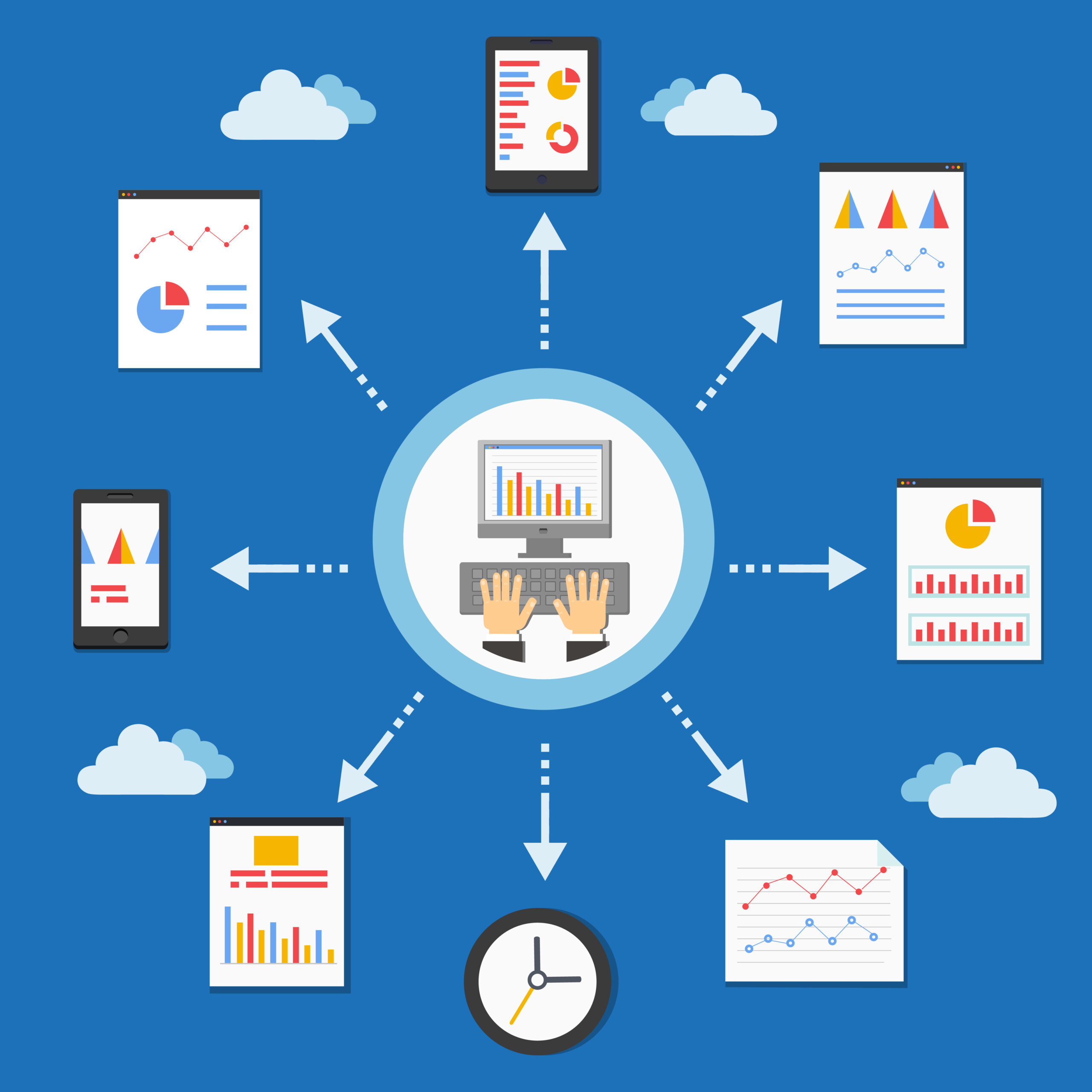
    Recommended reading: Marketing Objectives: How to Set Them Right (With Examples)

    2. Monitor the Right Marketing KPIs to Achieve Your Objectives

    Just as a GPS guides you on your journey, marketing KPIs (Key Performance Indicators) help you navigate your path to success. Once you’ve set your marketing objectives (your destination), KPIs provide real-time feedback on whether you’re moving in the right direction.
    However, not all KPIs are equally useful. While a GPS might show you every detail of your route, you’re more interested in whether you’re approaching your destination or veering off course. Similarly, many marketing KPIs can be mere vanity metrics that don’t offer actionable insights.
    Focus on tracking a select few KPIs that truly align with your objectives and provide meaningful insights into your progress. To discover which KPIs are worth your attention and how to effectively use them, check out the article below.

    3. Develop a Clear Positioning Statement for Your Business

    In a city as compact as Singapore, where countless gyms and fitness centers compete for attention, how does your business stand out? The answer lies in a strong positioning statement.
    Positioning is crucial because it communicates to potential customers why they should choose your business over the competition. Your positioning statement should clearly articulate what your product or service is, how it differs from others, and why it is valuable to your target audience.
    Creating a compelling positioning statement is complex and goes beyond the scope of a simple blog post. For a comprehensive guide, consider reading April Dunford’s “Obviously Awesome,” which provides a detailed approach to crafting a positioning statement.
    Here’s a brief overview of the process:
    1. Identify Your Best Customers : Understand who your most valuable customers are and what they need.
    2. Analyze Competitors : List your competitors and their offerings to identify what sets you apart.
    3. Highlight Unique Attributes : Determine the unique features and benefits of your product or service.
    4. Assess Customer Benefits : Explain how these unique attributes positively impact your customers.
    5. Target the Right Market : Find and focus on a market segment that values these unique attributes.
    By following these steps, you can create a clear and effective positioning statement that helps your business stand out in a crowded marketplace.

    4.Create a Google Business Profile

    For local businesses aiming to attract local customers, having a Google Business Profile is essential. Claiming and optimizing this profile enhances your visibility on relevant Google searches, including both web search and Google Maps.
    Setting up and optimizing your Google Business Profile is straightforward and can be accomplished in about 30 minutes using Google My Business. This is a valuable, low-effort opportunity to boost your local search presence.
    To get started, follow the guide below to create and optimize your profile effectively.

    5. Focus on Low-Competition Topics

    In the competitive landscape of digital marketing, immediate visibility is crucial for survival. While ranking for high-value keywords may take time and significant effort, you can start gaining traction by targeting low-competition keywords.
    Low-competition keywords are easier to rank for and often require less effort in terms of link building and website authority. By focusing on these keywords, you can drive organic traffic to your website more quickly and establish a stronger online presence.
    To discover these low-competition keywords and learn how to leverage them effectively, check out the video below on ahrefs channel:

    6. Build a Following on One Social Network

    When deciding where to focus your social media efforts, it’s tempting to jump on every new platform or spread yourself thin across multiple channels. However, the key to effective social media marketing is to concentrate your efforts on a single platform.

    Don’t be swayed by the latest social media trends or the urge to be everywhere at once. Excelling on one platform requires creating content that resonates with its specific audience, and doing so takes time, effort, and resources. Even if you repurpose content, managing multiple platforms effectively can be overwhelming, especially if you’re a solo entrepreneur.

    The choice of platform should align with your marketing objectives and where your target audience is most active. For instance, if Twitter is where your audience engages the most and helps you meet your goals, focus your energy there.

    Once you’ve established a solid following and honed your strategy on one platform, you can consider expanding to additional social media channels. For example, despite Instagram being established since 2010, we’ve only recently launched our Instagram account after mastering other platforms.

    In summary, start by building a strong presence on one social network. This focused approach will maximize your impact and set a solid foundation for future growth.

    7. Build a Solid Email List

    Even if you focus on building a strong following on a single social media platform, remember that you don’t truly own that audience. Social networks can change their algorithms or limit your reach at any time, leaving you vulnerable.
    Email, however, is different. When you build an email list, you own it, and no one can restrict your communication with your subscribers. While it may seem like an outdated strategy, building an email list remains one of the most effective forms of digital marketing.
    To start building your email list, offer something valuable in exchange for subscribers. This could be an eBook, a course, a discount, or any other incentive that aligns with your audience’s interests.
    Every business should prioritize growing its email list to ensure a direct and reliable way to connect with its audience, free from the whims of social media algorithms.

    8. The Importance of SEO for Improving Your Business

    Search Engine Optimization (SEO) is crucial for enhancing your business’s online presence. By optimizing your website for search engines, you increase your visibility, making it easier for potential customers to find you when they search for relevant keywords.

    Effective SEO drives organic traffic to your site, reduces the need for paid advertising, and improves user experience by making your website more navigable and faster. Moreover, high search engine rankings build credibility and trust with your audience.

    Incorporating SEO strategies can lead to increased brand awareness, higher conversion rates, and long-term business growth. Investing in SEO is not just about ranking higher—it’s about connecting with your target audience and standing out in a competitive digital landscape.

    9.Run Ads on Less Popular Platforms

    While major platforms like Facebook and Google dominate online advertising, exploring less popular platforms can offer unique advantages. Advertising on these platforms often comes with lower competition and cost, allowing you to reach niche audiences more affordably.

    By targeting ads on emerging or specialized platforms, you can tap into untapped markets and engage with users who may be overlooked on mainstream channels. This strategy can lead to better engagement rates and higher returns on investment.

    Consider experimenting with platforms like Reddit, Quora, or niche industry websites. These less conventional options can provide valuable opportunities to reach specific demographics and stand out from the crowd.

    10.Seek Customer Feedback:

    Gathering and utilizing customer feedback is essential for refining your business and ensuring you’re meeting your customers’ needs. Here’s how you can effectively seek and use feedback:

    1. Create Feedback Channels: Offer various ways for customers to provide feedback, such as surveys, feedback forms, suggestion boxes, and direct interviews. Make it easy for them to share their thoughts.
    2. Ask the Right Questions: Design your surveys and feedback forms to elicit useful information. Focus on questions that uncover pain points, areas for improvement, and customer satisfaction.
    3. Use Multiple Methods: Combine quantitative methods (like rating scales) with qualitative ones (like open-ended questions) to get a comprehensive understanding of customer experiences.
    4. Actively Monitor Social Media: Keep an eye on social media platforms for comments and reviews about your business. Engaging with customers on these platforms can provide real-time insights and show that you value their opinions.
    5. Implement a Net Promoter Score (NPS): Use NPS surveys to gauge customer loyalty and likelihood of recommending your business to others. This metric can help you assess overall satisfaction and identify promoters and detractors.
    6. Analyze and Prioritize Feedback: Review the feedback you collect and identify common themes or recurring issues. Prioritize the areas that will have the most significant impact on customer satisfaction and business performance.
    7. Take Action: Use the insights gained from feedback to make informed improvements to your products, services, or processes. Demonstrating that you act on feedback builds trust and shows customers that their opinions matter.
    8. Follow Up with Customers: Let customers know that their feedback has led to tangible changes. This follow-up can be done through email updates, social media posts, or personal responses.
    9. Foster a Feedback Culture: Encourage a culture where feedback is continuously sought and valued. Train your team to actively seek customer opinions and use them constructively.
    10. Measure Impact: Assess how the changes implemented based on feedback have affected customer satisfaction and business performance. This helps you understand the effectiveness of your actions and adjust as needed.

    By systematically seeking and acting on customer feedback, you can improve your offerings, enhance customer satisfaction, and drive long-term business success.

  • Create and Befriend Annoying AI Personas on Instagram: It’s Now Possible!

    Create and Befriend Annoying AI Personas on Instagram: It’s Now Possible!

    Create and Befriend Annoying AI Personas on Instagram: It’s Now Possible!

    Create and Befriend Annoying AI Personas on Instagram it's Now Possible
    Create and Befriend Annoying AI Personas on Instagram it’s Now Possible


    Now you can Create and Befriend Annoying AI Personas on Instagram: It’s Now Possible! Meta has announced the rollout of a new feature in the US called AI Studio, which allows Instagram users to craft their own personal AIs. This feature offers two primary uses: as a personal assistant to provide jokes, advice, and more, or as a tool for Instagram creators to handle frequently asked questions.

    Not only can you design your own AI, but you can also explore and interact with existing AIs on the platform. During my trial, I stumbled upon an AI called “Gay Bestie” from user Sluttypuffin. The AI, embodying all the stereotypical traits, was eager to “spill the tea, one sip at a time,” which I found rather over-the-top and clichéd.

    Creating an AI on AI Studio is straightforward. You can either choose from various prompt templates or start a new AI from scratch. To get started, navigate to AI Studio or initiate a new DM on Instagram and select “Create an AI chat.” Meta has also provided a detailed handbook with a step-by-step guide and expert tips for effectively using AI Studio.

    Once your AI is up and running, you can use it for personal tasks like seeking advice, generating memes, or brainstorming Instagram captions. Additionally, you can share your AI on Messenger or WhatsApp to showcase it to friends.

    When I tested the “Gay Bestie” AI for fashion advice, the response was quite generic, with suggestions like a sleek black jumpsuit or a bold red dress, echoing the kind of answers you might receive from other AI chatbots like ChatGPT or Copilot.

    For influencers, AI Studio offers a practical solution to manage repetitive queries and perform quick tasks, such as linking brands in their posts. It’s reassuring that AI-generated responses will be clearly labeled, ensuring transparency and avoiding any potential confusion for the audience.

    References :

  • The Importance of Having a CRM for Your Small Business

    The Importance of Having a CRM for Your Small Business

    The Importance of Having a CRM for Your Small Business
    Best CRM For Small Business Of 2024

    The Importance of Having a CRM for Your Small Business

    in this article we showing you The Importance of Having a CRM for Your Small Business . One of the most effective tools for managing customer relationships and streamlining business operations is a Customer Relationship Management (CRM) system. While large corporations have long utilized CRM systems to maintain customer relationships and enhance their operations, small businesses can also reap significant benefits from adopting this technology. Here’s a comprehensive look at why having a CRM is crucial for small businesses and how it can drive growth, efficiency, and success.

    1. Understanding CRM Systems

    A Customer Relationship Management (CRM) system is a software tool designed to help businesses manage interactions with customers, streamline processes, and improve profitability. It centralizes customer information, tracks interactions, and automates various tasks, making it easier for businesses to maintain strong customer relationships and improve service delivery.

    CRMs offer a range of features, including contact management, sales tracking, customer support, and analytics. By consolidating all customer data into one system, a CRM helps businesses gain a holistic view of their customers, enabling more personalized and efficient interactions.

    2. Enhanced Customer Relationships

    At the core of any successful business is a strong relationship with its customers. A CRM system helps small businesses build and maintain these relationships by providing a 360-degree view of each customer’s interactions, preferences, and history. This comprehensive view allows businesses to:

    • Personalize Communication: By accessing detailed customer profiles, businesses can tailor their communications to meet individual needs and preferences. Personalized interactions increase customer satisfaction and foster loyalty.
    • Track Engagement: CRM systems track customer interactions across multiple channels, including email, social media, and phone calls. This tracking helps businesses understand customer behavior and engagement patterns, allowing for more targeted marketing and sales efforts.
    • Anticipate Needs: With historical data and interaction history at their fingertips, businesses can anticipate customer needs and address potential issues before they arise. This proactive approach enhances customer experience and strengthens relationships.

    3. Improved Sales and Marketing Efficiency

    Small businesses often struggle with managing sales and marketing efforts due to limited resources. A CRM system can significantly improve efficiency in these areas by:

    • Streamlining Sales Processes: CRM systems automate repetitive sales tasks, such as data entry and follow-up reminders, allowing sales teams to focus on high-value activities. Automation also ensures consistency in sales processes, leading to improved conversion rates.
    • Managing Leads and Opportunities: CRMs track leads through the sales funnel, from initial contact to closing. Businesses can monitor lead status, assign tasks, and analyze the effectiveness of different sales strategies, leading to better decision-making and increased sales.
    • Segmenting and Targeting: CRM systems enable businesses to segment their customer base based on various criteria, such as demographics, purchase history, and behavior. This segmentation allows for more targeted marketing campaigns, improving the relevance and effectiveness of promotional efforts.

    4. Streamlined Operations and Workflow

    Small businesses often juggle multiple tasks and processes, leading to inefficiencies and errors. A CRM system helps streamline operations by:

    • Centralizing Data: By storing all customer information in a single database, a CRM eliminates data silos and reduces the risk of errors. This centralization ensures that all team members have access to up-to-date information, improving collaboration and decision-making.
    • Automating Tasks: CRM systems automate routine tasks, such as data entry, follow-ups, and reporting. Automation reduces manual workload, minimizes errors, and frees up time for employees to focus on strategic activities.
    • Enhancing Communication: CRM systems facilitate internal communication and collaboration by providing shared access to customer data and interactions. This shared access helps teams work together more effectively and ensures a consistent approach to customer service.

    5. Data-Driven Insights and Analytics

    One of the most valuable aspects of a CRM system is its ability to provide data-driven insights. CRM systems offer various analytical tools and reporting features that help businesses:

    • Monitor Performance: CRM analytics track key performance indicators (KPIs) such as sales growth, customer retention, and marketing campaign effectiveness. By monitoring these metrics, businesses can evaluate their performance and identify areas for improvement.
    • Make Informed Decisions: Data-driven insights help businesses make informed decisions about marketing strategies, sales tactics, and customer service approaches. By analyzing customer data and trends, businesses can develop strategies that are more likely to succeed.
    • Forecast Trends: CRM systems can generate forecasts based on historical data and current trends. These forecasts help businesses anticipate future needs, plan for growth, and allocate resources more effectively.

    6. Enhanced Customer Service and Support

    Customer service is a critical component of business success. A CRM system enhances customer service by:

    • Providing Access to Customer Information: Customer service representatives have instant access to customer profiles, including previous interactions and support history. This access allows them to provide personalized and efficient support, improving customer satisfaction.
    • Tracking Support Requests: CRM systems track support requests and issues, ensuring that they are addressed in a timely manner. Automated ticketing and case management features help prioritize and resolve customer issues more effectively.
    • Gathering Feedback: CRM systems can collect and analyze customer feedback, helping businesses identify areas for improvement and address any service gaps. Continuous feedback loops enable businesses to refine their support processes and enhance the overall customer experience.

    7. Scalability and Growth

    As small businesses grow, their needs and processes become more complex. A CRM system provides a scalable solution that can adapt to changing requirements. With features like customizable workflows, integration capabilities, and modular add-ons, CRMs can grow with the business and support new processes and functions as needed.

    8. Cost-Effectiveness

    While some may view CRM systems as an added expense, they can be highly cost-effective in the long run. By improving efficiency, increasing sales, and enhancing customer satisfaction, CRMs deliver a strong return on investment. Many CRM providers offer affordable plans tailored to small businesses, ensuring that even budget-conscious companies can benefit from this powerful tool.

    9. Competitive Advantage

    In a crowded marketplace, having a competitive edge is crucial. A CRM system provides small businesses with the tools and insights needed to outperform competitors. By leveraging customer data, optimizing sales and marketing efforts, and delivering exceptional service, businesses can differentiate themselves and build a loyal customer base.

    Best CRM For Small Business Of 2024

    Unlocking Efficiency: A Comprehensive Guide to CRM Systems for Small Businesses – Rearthis article to knowing more

    Conclusion

    Implementing a CRM system is a strategic investment that can drive significant benefits for small businesses. From enhancing customer relationships and improving sales efficiency to streamlining operations and providing valuable insights, CRMs offer a range of advantages that support business growth and success. As small businesses navigate the complexities of today’s market, a CRM system serves as a vital tool for managing customer interactions, optimizing processes, and achieving long-term goals. Embracing CRM technology not only enhances day-to-day operations but also positions small businesses for sustained success in a competitive landscape.

  • How to Transfer Data from Android to iPhone: 2 Quick and Easy Methods

    How to Transfer Data from Android to iPhone: 2 Quick and Easy Methods

    How to Transfer Data from Android to iPhone: 2 Quick and Easy Methods

    How to Transfer Data from Android to iPhone
    How to Transfer Data from Android to iPhone

    All iphone users search How to Transfer Data from Android to iPhone in this article we give you 2 method , Just got your hands on a shiny new iPhone? Discover two reliable methods to transfer your data from an Android device to your new iPhone quickly and securely.

    Switching from an Android to an iPhone can seem daunting, but with the right steps, it’s a smooth process. I’ve tackled this transition numerous times when upgrading to the latest iPhone models, transferring cherished photos, videos, and apps across platforms.

    The transfer time varies depending on the amount of data, from just a few minutes to over an hour. But no matter the duration, the process remains straightforward. Below are two methods to help you move your data efficiently and safely.

    How to Transfer Data from Android to iPhone

    Before you start, make sure to:

    • Charge your devices: Ensure both your Android and iPhone are at least 75% charged to prevent interruptions due to low battery.
    • Connect to Wi-Fi: A strong and stable Wi-Fi connection is crucial for a smooth transfer.
    • Check storage space: Confirm your iPhone has enough storage for the data you’re moving. If necessary, organize and free up space on your Android device using apps like MacPaw’s Gemini Photos to remove duplicates and unnecessary files.

    Method 1: Use Move to iOS – How to Transfer Data from Android to iPhone

    Apple’s Move to iOS app is a reliable tool for transferring your data. Here’s how to use it:

    1. Set Up Your iPhone: Begin with the iOS Setup Assistant on your new iPhone, which appears when you first power it on. If you’ve already set up your iPhone, you’ll need to factory reset it to use Move to iOS.
    2. Select Move Data from Android: Follow the setup instructions until you reach the Apps & Data screen, then choose “Move Data from Android” and tap Continue.
    3. Prepare Your Android Device: Download the Move to iOS app from the Google Play Store. Open the app, agree to the terms, and proceed to the Find Your Code screen.
    4. Enter the Code: Your iPhone will display a one-time code. Enter this code on your Android device to start the transfer.
    5. Complete the Transfer: The phones will need to stay connected and untouched during the transfer process. This can take anywhere from 30 minutes to over an hour, depending on the data volume.

    Method 2: Transfer Data Using Google Account

    Transfer Data Using Google Account from android to iphone
    Transfer Data Using Google Account from android to iphone


    If you’ve already set up your iPhone or need to move additional files, using your Google account is a great alternative:

    1. Backup Data on Android: Go to Settings > Google > Backup, and toggle on the categories you want to sync. Wait for the backup to complete.
    2. Sync Google Account with iPhone: On your iPhone, go to Settings > Mail > Accounts > Add Account, and enter your Google credentials. Your data should begin syncing automatically.
    3. Alternative Google Method: Upload files to Google Drive on your Android device and then download them onto your iPhone. Note that a free Google account offers 15GB of storage; additional space requires a subscription.

    FAQs

    Can I use ‘Move to iOS’ if my iPhone is already set up?
    No, you must use Move to iOS during the initial setup. If you’ve already set up your iPhone, back up your data, factory reset the iPhone, use Move to iOS, and then restore your backup.

    What’s the fastest way to transfer data?
    Move to iOS is the most seamless method if you’re still in the setup phase. For transfers after setup, consider using Google’s backup and sync options or desktop programs like AnyTrans, though the latter may involve additional risks.
    Can I transfer data after setting up my iPhone?
    Yes, you can use Google Drive or Gmail to move specific files. This method requires more manual work but is useful for transferring selected data.

    Can I use a flash drive for the transfer?
    Yes, if you have larger files, using a flash drive such as the SanDisk iXpand Luxe is an option. It’s compatible with iPhones and Android devices, making it suitable for direct file transfers.

    With these methods, you’ll have your new iPhone up and running with all your important data in no time!

  • How to Maximize Google Wallet Beyond Just Payments

    How to Maximize Google Wallet Beyond Just Payments

    How to Maximize Google Wallet: Beyond Just Payments

    How to use Google Wallet
    How to use Google Wallet


    While Google Wallet is often seen as a straightforward, How to Maximize Google Wallet Beyond Just Payments payment tool, it offers a range of features that go well beyond just replacing your physical wallet. In an era where cashless and cardless transactions are becoming the norm, Google Wallet stands out as a versatile app that can streamline various aspects of your daily life.

    What Can You Store in Google Wallet?

    Google Wallet isn’t just for credit and debit cards. The app supports a diverse range of digital items including:

    • Transit Cards: Conveniently manage and use your local transit cards.
    • Loyalty and Gift Cards: Keep track of rewards and gift cards from your favorite stores.
    • Event Tickets: Store and access tickets for movies, concerts, and other events.
    • Hotel Keys: Easily check into your hotel room without the physical key.
    • Gym Passes and Boarding Passes: Manage your fitness memberships and travel documents.
    • Insurance Cards and Official IDs: Some states allow you to store IDs used for TSA Precheck.

    For example, California residents can now add their state-issued ID to Google Wallet, providing a digital alternative to physical cards. The app also features an “Everything else” function, allowing you to snap a photo of various text-based documents and use AI to convert them into digital versions. While this may not work for every type of document, it’s a handy option for many.

    How to Add Cards to Google Wallet

    Adding cards to Google Wallet is straightforward. Here’s how you can do it:

    1. Via the Wallet App: Open Google Wallet, tap “+ Add to Wallet” at the bottom, and select the type of card you want to add. For payment cards, you can either scan the card using your phone’s camera or enter the information manually. After adding the details, you may need to verify your payment method via email or text.
    2. Via Your Bank: Some banks offer the option to add cards directly through their app or website. Look for an “Add to Google Wallet” or “Add to GPay” button and follow the instructions provided.
    3. Transit and Loyalty Cards: Choose from a list of supported options, then log into your transit or store account to connect your card.

    Using Google Wallet on Smartwatches

    Google Wallet is compatible with Android smartwatches running Wear OS 2.0 or newer, provided they have NFC capabilities. This feature allows you to make contactless payments with your watch, a handy option when you don’t want to carry a wallet or phone. If your watch doesn’t come pre-installed with Google Wallet, you can download it from the Google Play Store.

    Making Payments with Google Wallet

    To make a payment, open the Google Wallet app and swipe to select the card you want to use. Tap on the card, and you’ll see a “Hold to reader” message indicating that the app is ready for payment. Simply hold your phone close to the payment terminal until you see a check mark.

    Beyond Payments: Everyday Uses

    Google Wallet offers practical solutions for various scenarios:

    • Theme Park Visits: Store season passes for quick and easy entry, and use your smartwatch for meal and drink plans, leaving your phone and wallet in a locker.
    • Event Management: Add and manage season tickets for sports games or other events, eliminating the need for multiple apps.
    • General Convenience: The ability to store and access numerous types of cards and tickets makes Google Wallet a valuable tool for everyday use.

    In Summary : How to Maximize Google Wallet Beyond Just Payments

    If you haven’t yet explored Google Wallet’s full capabilities, now might be the perfect time to start. The app’s ability to manage not only payments but also a range of digital items can simplify your life and provide added convenience. Whether you’re using it to streamline transit, manage loyalty cards, or handle tickets, Google Wallet offers more than just a cashless payment option. Give it a try, and you might find it becoming an essential part of your digital toolkit.

    references :

  • The Golden Age of Browser Games A Retrospective on Early Internet Culture

    The Golden Age of Browser Games A Retrospective on Early Internet Culture

    The Golden Age of Browser Games: A Retrospective on Early Internet Culture

    The Golden Age of Browser Games: A Retrospective on Early Internet Culture Techblg’s exploration into online life in 2007 sheds light on a time before social media and smartphones reshaped our digital experiences. Browser games played a significant role during this era, offering a glimpse into how the early internet felt for millions of users.

    Browser Games: A Defining Feature of Early Online Life

    From obscure creations lost in the annals of the web to hit games that evolved into major franchises like Doom, Trials, Super Meat Boy, and Bejeweled, browser games were integral to the early online experience. For many millennials, this period represents a golden age of digital play, where the arrival of tools like Flash allowed individuals without extensive technical knowledge to create and share games.

    Democratizing Game Creation

    Flash democratized game development, turning it from a domain of big corporations into a playground for amateur creators. Anyone with a creative idea and basic skills could publish a game, no matter how unconventional or rudimentary. This shift led to an explosion of creativity and innovation, with millions of unique games flooding the internet. As Flash approached its end in December 2020, nostalgia for these games grew, highlighting both a loss of digital history and a cherished part of our childhoods.

    The Spirit of the Early Web

    The early web was a chaotic, free-spirited space where users could experiment and express themselves without the constraints of traditional media. Edmund McMillen, creator of iconic games like Meat Boy and Binding of Isaac, recalls the early days as a “creative vortex” that was as much about raw experimentation as it was about discovering what worked. The community-driven approach to game creation and feedback was reminiscent of modern upvotes and likes, fostering a dynamic environment for innovation.

    A New Era of Creativity

    The flexibility of Flash allowed for rapid prototyping and experimentation. This openness gave rise to new genres and modes of play, such as tower defense games and persistent game worlds, which would later influence major titles and mobile games. Browser games broke down barriers by making gaming more accessible and integrated into everyday life. Games could be played instantly through a browser, without the need for expensive hardware or dedicated software.

    Community and Culture

    Browser games fostered a sense of belonging for many, with communities forming around platforms like Newgrounds and Kongregate. These early spaces provided a platform for self-expression and connection, with creators finding ways to assert their individuality and creativity. However, the early communities were not without their issues. Women and minorities faced significant challenges, including harassment and exclusion, highlighting the darker side of unregulated online spaces.

    The Dark Side of Early Internet Culture

    The freedom of early browser game communities came with drawbacks. The same openness that allowed for creative expression also enabled harmful behavior and controversial content. Some games pushed boundaries to shocking extremes, contributing to moral panics and media scrutiny. The early internet’s unregulated nature mirrored societal issues and highlighted the need for more responsible online environments.

    The Legacy of Browser Games

    As the internet evolved, browser games were overshadowed by mobile and social media platforms. The rise of Web 2.0 and the App Store brought new monetization models and corporate control, leading to the decline of the browser game scene. Despite the shift, the impact of these early games on digital culture remains significant.
    Modern platforms like Gamejolt and Itch.io continue to support independent game creators, though the landscape has changed. The accessibility and immediacy of Flash are missed, but the spirit of creativity and rebellion lives on in new forms.

    Looking Forward

    The early days of browser games represent a unique chapter in the evolution of the internet. While the specific platforms and technologies have changed, the drive for creativity and self-expression persists. As the digital world continues to evolve, new spaces will emerge where youthful creativity can flourish, just as it did during the golden age of browser games.
    The internet has transformed, but the lessons and experiences from the early days of browser games offer valuable insights into the ongoing journey of digital culture.
    The Golden Age of Browser Games A Retrospective on Early Internet Culture

    References The Golden Age of Browser Games A Retrospective on Early Internet Culture :