
Month: January 2025

  • Google sheets Expense Tracker Templates

    Google sheets Expense Tracker Templates

    You can use a Sheets file on google for your business like Google Sheets Expense Tracker Templates Managing finances effectively is one of the principal challenges for individuals and businesses alike. Whether you’re tracking daily expenses or monitoring monthly budgets, a well-structured Google Sheets Expense Tracker Templates can make the process seamless and efficient. With the versatility and accessibility of Google Sheets, expense tracking is no longer a daunting task but an empowering habit to cultivate financial discipline.

    This guide explores the various types of Google Sheets expense tracker templates, their benefits, and how to use them to organize and analyze your financial data. By the end of this article, you’ll have a clear understanding of how to leverage these templates to take control of your finances. Additionally, we will address frequently asked questions and provide actionable tips for getting the most out of these tools.


    Why Use Google Sheets for Expense Tracking?
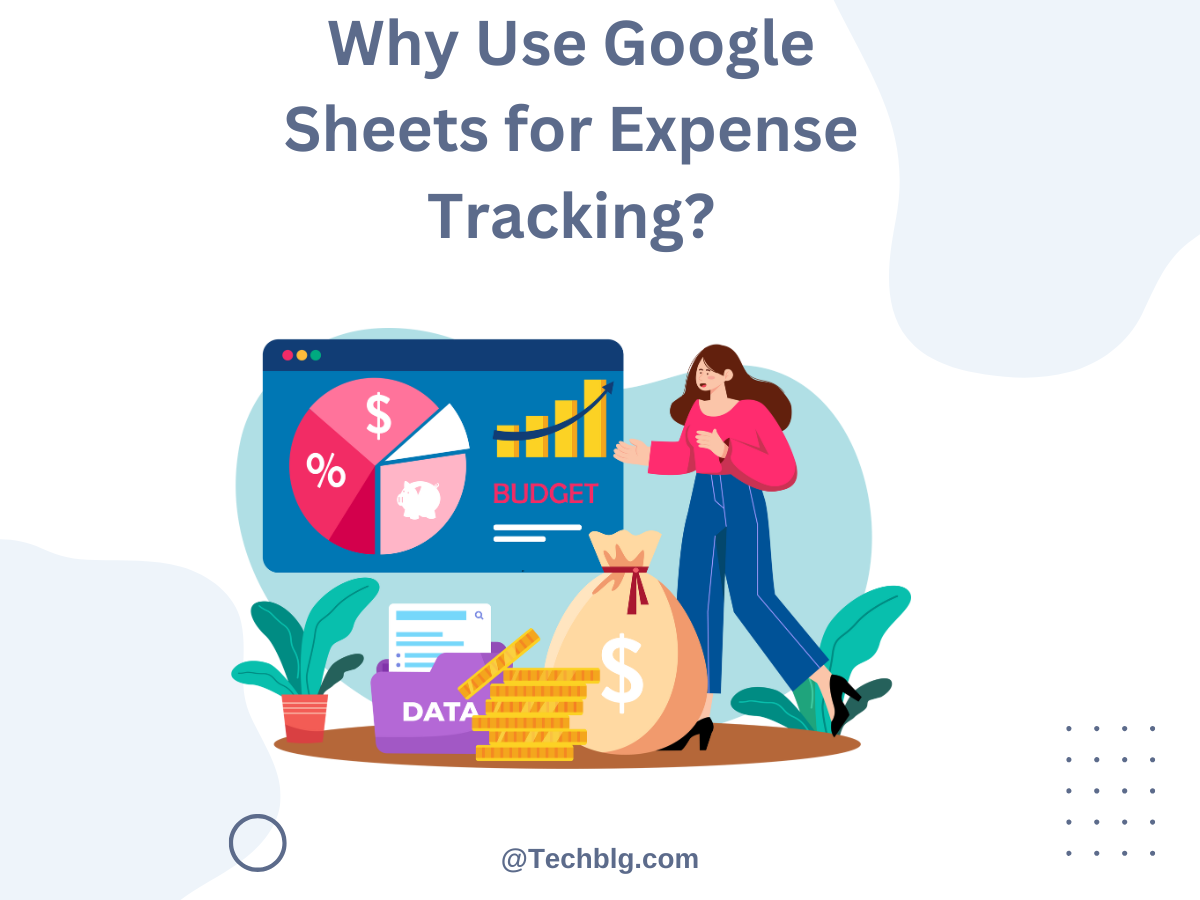
    Why Use Google Sheets for Expense Tracking?

    1. Accessibility

    Google Sheets is cloud-based, which means you can access your expense tracker from any device with an internet connection. This is particularly useful for those who need to update their records on the go.

    2. Cost-Effective

    Unlike premium financial software, Google Sheets is free to use. It’s a great option for individuals, families, and small businesses looking to manage their finances without additional costs.

    3. Customizable Templates

    Google Sheets offers a range of customizable templates, allowing you to tailor your tracker to suit your unique needs. Whether you’re using an income and expense tracker Google Sheets template or a daily expense tracker Google Sheets template, the flexibility is unparalleled.

    4. Collaboration

    Google Sheets supports real-time collaboration. This is especially beneficial for couples managing joint expenses or teams monitoring a shared budget.

    5. Data Analysis Tools

    With built-in features like formulas, charts, and conditional formatting, Google Sheets makes it easy to analyze your financial data and gain insights into your spending habits.


    Types of Google Sheets Expense Tracker Templates

    1. Daily Expense Tracker Google Sheets Template

    This template is designed for tracking daily transactions. It’s perfect for individuals who want to monitor their day-to-day spending habits and identify areas for improvement.

    Features:

    • Columns for date, description, category, and amount.
    • Automatic categorization using drop-down menus.
    • Daily totals to keep spending in check.

    2. Monthly Expense Tracker Google Sheets Template

    Aimed at providing a broader financial overview, this template helps users track their income and expenses over a month.

    Features:

    • Income and expense breakdown.
    • Pie charts to visualize spending by category.
    • Automated calculations for monthly savings.

    3. Income and Expense Tracker Google Sheets Template

    Ideal for small businesses and freelancers, this template combines income and expense tracking to provide a clear picture of financial performance.

    Features:

    • Separate sheets for income and expenses.
    • Profit/loss calculation.
    • Customizable categories for business-related expenses.

    4. Family Budget Tracker

    Designed for households, this template helps families manage their collective income and expenses.

    Features:

    • Shared access for family members.
    • Budgeting tools for groceries, utilities, and other recurring expenses.
    • Alerts for overspending.

    Setting Up Your Google Sheets Expense Tracker

    Step 1: Choose the Right Template

    Select a template that aligns with your financial goals. For example, if you’re looking to monitor your daily spending, opt for a daily expense tracker Google Sheets template. For broader financial management, a monthly expense tracker Google Sheets template might be more appropriate.

    Step 2: Customize the Template

    Modify the template to suit your needs. Add or remove columns, adjust categories, and include additional fields such as payment methods or notes.

    Step 3: Input Your Data

    Start entering your financial transactions. Be consistent and detail-oriented to ensure accuracy.

    Step 4: Analyze Your Data

    Use Google Sheets’ built-in tools to review your financial data. Create charts and graphs to visualize trends and identify areas where you can cut costs or reallocate funds.

    Step 5: Maintain Regular Updates

    Update your tracker regularly. Set reminders to log your transactions daily or weekly to avoid data gaps.


    Advanced Tips for Using Google Sheets Expense Tracker Templates

    1. Use Conditional Formatting

    Highlight overspending in specific categories using conditional formatting. For example, you can set a rule to mark cells in red when expenses exceed a certain threshold.

    2. Automate Calculations

    Leverage Google Sheets formulas to automate calculations such as totals, averages, and percentages. This minimizes errors and saves time.

    3. Create Dashboards

    Design a financial dashboard within your tracker to display key metrics like total income, total expenses, and savings rate at a glance.

    4. Leverage Add-Ons

    Enhance your expense tracker with Google Sheets add-ons. For instance, you can use add-ons for currency conversion, advanced charting, or integration with other financial tools.

    5. Share with Accountability Partners

    If you’re budgeting with a partner, share the tracker with them. Real-time updates foster accountability and encourage better financial habits.


    Benefits of Using Google Sheets Expense Tracker Templates

    1. Improved Financial Awareness

    Tracking your expenses helps you understand your spending habits and identify areas where you can save.

    2. Enhanced Budgeting

    With a clear overview of your finances, you can set realistic budgets and stick to them.

    3. Goal Achievement

    Whether it’s saving for a vacation or paying off debt, an expense tracker keeps you aligned with your financial goals.

    4. Stress Reduction

    Knowing exactly where your money is going reduces financial anxiety and fosters a sense of control.

    5. Flexibility

    From personal use to business applications, Google Sheets expense tracker templates cater to diverse needs and can grow with you.


    FAQs Google sheets Expense Tracker Templates

    What is a Google Sheets expense tracker template?

    A Google Sheets expense tracker template is a pre-designed spreadsheet that helps users organize and monitor their financial transactions. It includes fields for income, expenses, categories, and more.

    Can I customize Google Sheets expense tracker templates?

    Yes, Google Sheets templates are highly customizable. You can add or remove columns, create new categories, and apply formulas to meet your specific needs.

    Is Google Sheets a good alternative to paid budgeting software?

    For many individuals and small businesses, Google Sheets is an excellent alternative. It’s free, versatile, and offers a wide range of features suitable for financial management.

    How often should I update my expense tracker?

    To maintain accuracy, update your expense tracker daily or weekly. Regular updates ensure that your financial data remains up to date.

    Can Google Sheets integrate with other financial tools?

    Yes, Google Sheets integrates with various financial tools and platforms. For example, you can use Zapier to connect Google Sheets with your bank account or accounting software for automated data entry.

    Conclusion

    A well-maintained Google Sheets Expense Tracker Template is a powerful tool for managing your finances effectively. Whether you’re tracking daily expenses or analyzing monthly budgets, these templates provide a simple yet robust solution. By leveraging the customization options, advanced features, and collaboration capabilities of Google Sheets, you can take control of your financial journey.

    Start by selecting the right template, customizing it to suit your needs, and maintaining regular updates. With consistent use, you’ll gain valuable insights into your spending habits and make informed financial decisions. Remember, financial discipline is the foundation of long-term success, and Google Sheets makes it easier than ever to achieve it.

    also you can read more about ; Inventory Management with Google Sheets Templates
  • Inventory Management with Google Sheets Templates
    Inventory Management with Google Sheets Templates
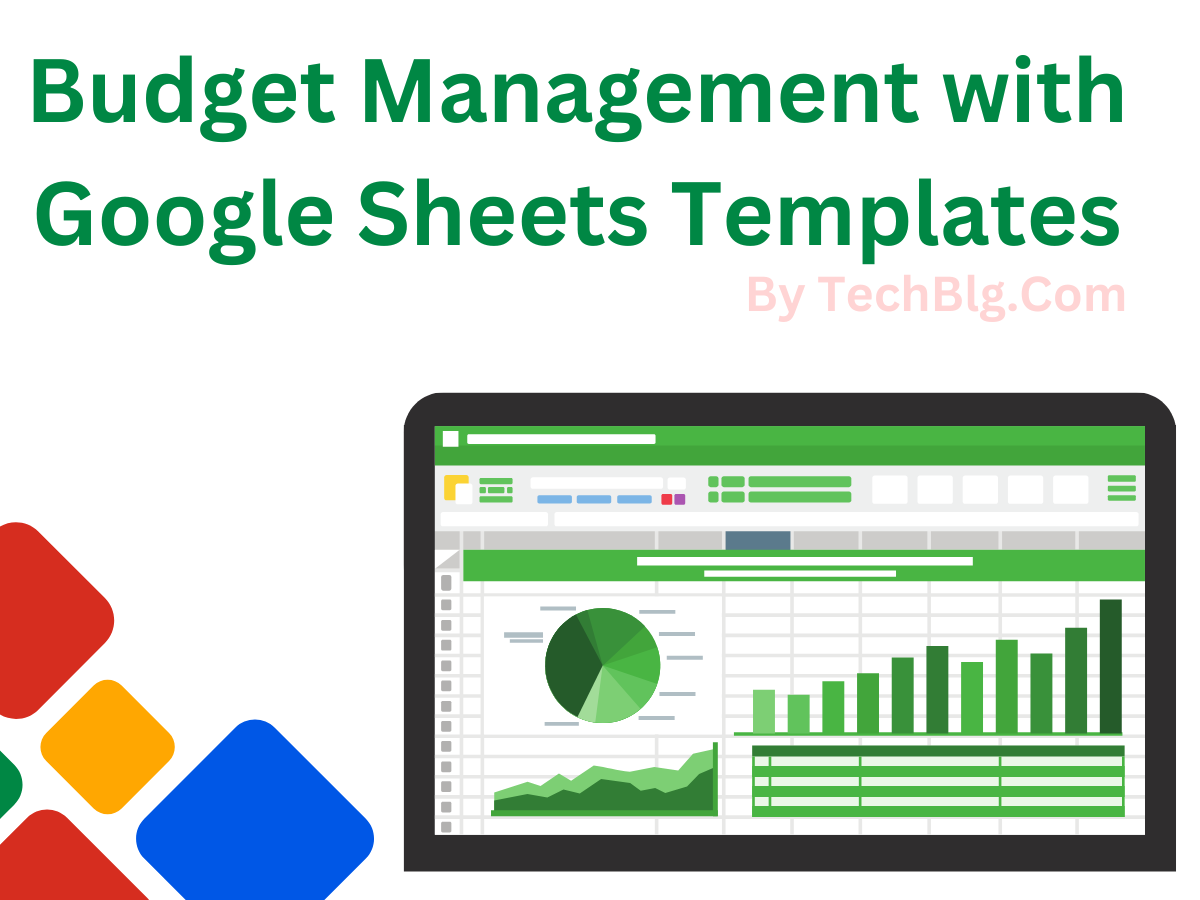
    Inventory management with google sheets templates is a critical aspect of running a successful business. For entrepreneurs and small business owners seeking a cost-effective solution, Inventory Management with Google Sheets Templates is a game-changing option. With this powerful yet simple tool, you can streamline your inventory processes, avoid stockouts, and make informed decisions to grow your business.
    In this comprehensive guide, we’ll explore how you can use Google Sheets templates for inventory management, their benefits, and how to implement them effectively. We’ll also cover the common challenges businesses face and provide actionable solutions to overcome them. This article is designed to help you master inventory management while optimizing for search engines to reach the audience that needs this information.


    What is Inventory Management?

    Inventory management refers to the process of ordering, storing, and utilizing a company’s inventory. It encompasses everything from raw materials and components to finished goods. Proper inventory management ensures that businesses have the right quantity of items at the right time, reducing the risks of overstocking or understocking.

    For small businesses, managing inventory can be challenging due to limited resources. That’s where Google Sheets templates come in, offering a low-cost and highly customizable solution. Let’s delve deeper into how these templates work and their advantages.


    Benefits of Using Google Sheets for Inventory Management

    google sheets template for stock management

    Google Sheets is a versatile tool that provides several advantages for managing your inventory:

    Description

    1. Cost-Effectiveness

    Unlike expensive inventory management software, Google Sheets is free to use. This makes it an ideal choice for startups and small businesses with tight budgets.

    2. Accessibility

    Google Sheets is cloud-based, allowing you to access your inventory data from anywhere with an internet connection. This feature is especially useful for businesses with remote teams.

    3. Real-Time Collaboration

    With Google Sheets, multiple users can collaborate in real-time. This ensures that everyone on your team is working with the latest inventory data.

    4. Customizability

    You can tailor Google Sheets templates to fit your specific inventory management needs. From tracking stock levels to calculating reorder points, the possibilities are endless.

    5. Integration with Other Tools

    Google Sheets integrates seamlessly with other tools like Google Analytics, Zapier, and various e-commerce platforms. This allows you to automate tasks and improve efficiency.


    How to Create an Inventory Management System with Google Sheets Templates

    Step 1: Identify Your Needs

    Before you start, determine what you want to achieve with your inventory management system. Do you need to track stock levels, monitor sales, or calculate reorder points? Having a clear goal will help you choose the right template and customize it effectively.

    Step 2: Choose a Google Sheets Inventory Template

    Search for a Google Sheet inventory template that matches your requirements. Many free and paid options are available online. Look for templates that include features like stock tracking, low-stock alerts, and automated calculations.

    Step 3: Customize the Template

    Once you’ve chosen a template, customize it to suit your business needs. Here are some elements you may want to include:

    • Product ID and Name: Unique identifiers for your inventory items.
    • Stock Levels: Columns to track the current quantity of each item.
    • Reorder Points: Minimum stock levels that trigger a reorder.
    • Supplier Information: Details of your suppliers for quick reference.
    • Sales Data: Fields to record sales and monitor trends.

    Step 4: Input Your Inventory Data

    Enter your existing inventory data into the template. Ensure accuracy by double-checking your entries. If you’re transitioning from another system, take the time to clean up your data to avoid discrepancies.

    Step 5: Automate Calculations

    Google Sheets allows you to use formulas to automate calculations. For instance, you can set up formulas to calculate:

    • Total inventory value
    • Days of inventory remaining
    • Reorder quantities

    Step 6: Regularly Update Your Data

    Inventory management requires consistent updates. Assign someone on your team to update the Google Sheet regularly with new stock arrivals, sales, and other changes.


    Key Features of a Good Google Sheet Inventory Template

    When selecting or designing a Google Sheet inventory template, ensure it includes the following features:

    1. Stock Level Tracking

    A simple interface to monitor the quantity of each product in your inventory.

    2. Low-Stock Alerts

    Conditional formatting or automated emails to alert you when stock levels are low.

    3. Reorder Point Calculations

    Formulas to determine when it’s time to reorder based on your average sales and lead times.

    Charts and graphs to visualize sales trends and predict future demand.

    5. Integration Options

    Compatibility with other tools and platforms for a seamless workflow.


    Common Challenges in Inventory Management and How Google Sheets Helps

    Challenge 1: Data Accuracy

    Manual inventory tracking can lead to errors.

    Solution: Google Sheets allows you to use dropdown menus, data validation, and formulas to minimize mistakes.

    Challenge 2: Stockouts

    Running out of stock can disrupt your operations and lead to lost sales.

    Solution: Use low-stock alerts and reorder point formulas in your Google Sheet inventory template.

    Challenge 3: Overstocking

    Excess inventory ties up capital and storage space.

    Solution: Monitor sales trends and adjust your reorder points accordingly.

    Challenge 4: Scalability

    As your business grows, managing inventory becomes more complex.

    Solution: Regularly update and refine your Google Sheets templates to accommodate your growing needs or integrate with more advanced tools as required.


    Advanced Tips for Using Google Sheets for Inventory Management

    Tip 1: Use Conditional Formatting

    Highlight low-stock items or expired products with conditional formatting. This makes it easier to spot issues at a glance.

    Tip 2: Leverage Add-Ons

    Google Sheets has several add-ons that can enhance its functionality. For example, you can use add-ons to generate barcodes or automate data entry.

    Tip 3: Create Dashboards

    Design a dashboard in your Google Sheet to provide a visual overview of your inventory, sales, and other key metrics.

    Tip 4: Automate Data Entry

    Use tools like Google Forms or Zapier to automate data entry and reduce manual work.

    Tip 5: Backup Your Data

    Regularly back up your Google Sheet to prevent data loss. You can use Google Drive or export the file to Excel for safekeeping.


    Faq About Inventory Management with Google Sheets Templates

    What is a Google Sheet inventory template?

    A Google Sheet inventory template is a pre-designed spreadsheet that helps businesses track and manage their inventory efficiently. It includes fields for product details, stock levels, reorder points, and more.

    Can I use Google Sheets for inventory management for free?

    Yes, Google Sheets is free to use, making it an excellent choice for small businesses looking to save on costs.

    Are there any limitations to using Google Sheets for inventory management?

    While Google Sheets is a powerful tool, it may not be suitable for businesses with very large inventories or complex needs. In such cases, dedicated inventory management software might be more appropriate.

    How do I customize a Google Sheet inventory template?

    You can customize a template by adding or removing columns, creating formulas, and applying conditional formatting to suit your specific needs.

    Can Google Sheets integrate with other tools for inventory management?

    Yes, Google Sheets integrates with various tools like Zapier, Google Analytics, and e-commerce platforms to streamline inventory management.

    Conclusion

    Effective inventory management is crucial for the success of any business. By using Google Sheets templates for inventory management, you can streamline your processes, save costs, and make data-driven decisions. Whether you’re a small business owner or an entrepreneur, leveraging the power of Google Sheets can transform the way you manage your inventory.

    Start by choosing the right template, customizing it to your needs, and maintaining accurate data. With consistent effort and the tips provided in this guide, you’ll be well on your way to mastering inventory management. Don’t underestimate the simplicity and effectiveness of Google Sheets sometimes, the best solutions are the ones you already have at your fingertips.

    also you can read more about: Budget Management with Google Sheets Templates And The ultimate Google Sheets Guide for small businesses.

  • Budget Management with Google Sheets Templates

    Budget Management with Google Sheets Templates

    Effective budget management with google sheets templates is crucial for individuals and businesses to maintain financial stability and achieve their goals. Using tools like a Google Sheets budget template or a monthly budget template for Google Sheets, you can track income, expenses, and savings effortlessly. These templates are versatile, customizable, and accessible from any device with an internet connection, making them a practical choice for modern budgeting needs.

    Introduction to Budget Management with Google Sheets

    Budgeting is the foundation of financial planning. Whether you’re managing a household budget, a small business, or an organization, staying organized and tracking your financial health is essential. Google Sheets, with its cloud-based functionality and powerful tools, provides an ideal platform for creating and managing budgets. Its pre-made templates, such as the simple budget template for Google Sheets, allow you to hit the ground running without needing extensive technical knowledge, now you can see whats is Budget Management with Google Sheets Templates .?


    Why Use Google Sheets for Budget Management?

    Budget Management with Google Sheets Templates

    Google Sheets is a preferred tool for budget management due to its flexibility, real-time collaboration, and wide array of templates. Here’s why it stands out:

    1. Accessibility: As a cloud-based platform, you can access your budget from anywhere.
    2. Customizability: Modify templates or create one from scratch to suit your specific needs.
    3. Collaboration: Share budgets with team members, family, or financial advisors for real-time updates.
    4. Integrations: Use add-ons and integrations to automate data entry or sync with other tools.

    How to Start Budgeting with Google Sheets Templates

    Step 1: Choose the Right Template

    Google Sheets offers a variety of templates, such as the monthly budget template Google Sheets or the simple budget template Google Sheets, which are great starting points.

    Step 2: Input Your Financial Data

    Begin by categorizing your income sources and expenses. Include fixed costs (e.g., rent, utilities) and variable expenses (e.g., dining out, entertainment).

    Step 3: Track and Adjust Regularly

    Review your budget periodically. Analyze areas where you’re overspending and adjust your budget to accommodate unexpected expenses or savings goals.


    1. Monthly Budget Template for Google Sheets

    This template is ideal for tracking income and expenses on a month-to-month basis.

    • Features:
      • Pre-defined income and expense categories
      • Automatic calculations for total income, expenses, and savings
      • Visual charts for tracking trends

    2. Simple Budget Template for Google Sheets

    A minimalist template for individuals or small households.

    • Features:
      • Easy-to-use layout
      • Focus on key financial categories
      • Quick customization options

    3. Household Budget Planner Template

    Perfect for families looking to manage joint expenses.

    • Features:
      • Separate columns for each family member
      • Shared expense tracking
      • Goal-oriented savings tracker

    4. Small Business Budget Template

    Designed for startups or small businesses.

    • Features:
      • Revenue and expense tracking by department
      • Forecasting tools for profit and loss
      • Integration options with CRM or ERP systems

    5. Event Budget Template

    Ideal for planning weddings, parties, or corporate events.

    • Features:
      • Cost tracking for vendors, venues, and supplies
      • Budget comparison with actual expenses
      • Detailed reporting for post-event analysis

    Benefits of Using Google Sheets for Budget Management

    ProsCons
    Free to use and easily accessibleLimited advanced automation
    Highly customizable templatesRequires manual updates
    Real-time collaborationLearning curve for beginners
    Integration with other toolsNo offline functionality without setup

    Advanced Features in Google Sheets for Budget Management

    1. Conditional Formatting
      Highlight overspending categories using conditional formatting rules.
    2. Data Validation
      Ensure that only valid data is entered in specific fields, minimizing errors.
    3. Charts and Graphs
      Visualize spending patterns with pie charts and bar graphs.
    4. Add-ons
      Use tools like Tiller Money to sync your bank transactions directly with Google Sheets.

    Master Your Finances with Our Google Sheets Budget Management Template – Simple, Smart, Effective!

    Transform your budgeting process with our expertly designed Google Sheets Template for Budget Management. Perfect for individuals and businesses, this template offers a user-friendly interface, automated calculations, and customizable categories to suit your financial needs. Save time, reduce stress, and gain full control over your income and expenses with a tool that makes budgeting effortless. Whether you’re tracking monthly expenses or planning for future savings, this template ensures accuracy and simplicity. Purchase now and elevate your financial management game today!

    Gain complete control over your finances with our all-in-one Google Sheets Budget Template. Whether managing personal expenses or overseeing business finances, this versatile tool simplifies budgeting and tracking. Monitor your income and expenses with ease, powered by interactive bill calendars, category-based transaction trackers, and visual charts.

    What you’ll get:
    ✓ A streamlined budget-by-paycheck system
    ✓ Comprehensive financial tracking (shopping, utilities, groceries, etc.)
    ✓ Easy-to-use tools requiring only a free Google account

    Unlock the power of smarter budgeting today—simple, effective, and tailored to your needs!

    Struggling to stay on top of your finances? Discover the ultimate Google Sheets Budget Template—your key to effortless budgeting, smarter spending, and financial peace of mind!

    Get It Now for $25

    FAQ Section About Budget Management with Google Sheets Templates

    Can I use Google Sheets templates for business budgeting?

    Yes, Google Sheets offers templates tailored for small businesses, including revenue, expense tracking, and forecasting.

    Are Google Sheets templates free?

    Many templates are free, but premium templates and add-ons may offer additional features.

    How can I share my budget with others?

    Click the “Share” button in Google Sheets to grant access to collaborators.

    Is Google Sheets secure for financial data?

    Google Sheets is secure if you use a strong password and enable two-factor authentication.

    What are the alternatives to Google Sheets for budgeting?

    Microsoft Excel, QuickBooks, and Mint are popular alternatives.

    Conclusion for Budget Management with Google Sheets Templates

    Budgeting is essential for financial stability, and Google Sheets makes it easier than ever to manage your finances effectively. By using templates like the monthly budget template Google Sheets or the simple budget template Google Sheets, you can stay on top of your financial goals without any hassle. Its accessibility, flexibility, and range of features make Google Sheets a go-to tool for individuals and businesses alike.


    References

    1. Google Workspace: Budget Management with Google Sheets Templates
    2. Techblg blog : Streamline Your Business with Google Sheets Templates