Category: Build Your Career

  • best small business accounting software

    best small business accounting software

    The best small business accounting software is crucial for entrepreneurs who want to streamline their financial operations and achieve long-term success. In today’s dynamic business environment, accounting software has evolved beyond simple bookkeeping tools to include robust features such as invoicing, payroll, and reporting. For small businesses, these tools provide an efficient way to track income and expenses, prepare for tax season, and gain valuable insights into their financial health. This article will explore the top choices for accounting software, delve into billing software for small businesses, and evaluate invoicing solutions tailored to the unique needs of micro-businesses.

    Why Good Accounting Software Matters for Small Businesses

    Accounting software can significantly impact a business’s ability to grow, save time, and reduce human error. It allows business owners to focus on core operations by automating repetitive tasks such as generating invoices, tracking expenses, and managing payroll. Whether you’re a freelancer, a startup, or a growing business, having the best small business accounting software ensures you are compliant with tax regulations and can forecast future growth. Let’s explore the top accounting tools to help you succeed.

    best small business accounting software

    1. QuickBooks Online: The All-Rounder
    Introduction: QuickBooks Online is widely regarded as one of the best small business accounting software options available. It’s known for its versatility, allowing small and growing businesses to manage various financial operations from a centralized dashboard.

    Key Features:

    • Automated invoicing and expense tracking
    • Detailed financial reports, including profit and loss, balance sheets, and cash flow
    • Seamless payroll integration
    • Mobile app for on-the-go financial management

    Pricing:

    • Simple Start: $25/month
    • Essentials: $50/month
    • Plus: $80/month
    • Advanced: $180/month

    Pros:

    • Highly customizable and scalable to different business sizes
    • Excellent integration with third-party apps like PayPal, Shopify, and Square
    • Cloud-based with mobile support, ideal for remote management

    Cons:

    • Can become expensive for growing businesses with additional features
    • Requires a learning curve, especially for those new to accounting software

    Alternative: FreshBooks is another great tool for service-based businesses, offering time tracking, invoicing, and basic bookkeeping features. It’s an excellent option if you’re looking for a more streamlined interface.


    2. Xero: Best for International Businesses
    Introduction: Xero stands out for businesses dealing with international clients. With its powerful multi-currency features and real-time financial tracking, it offers comprehensive accounting solutions.

    Key Features:

    • Multi-currency support for international transactions
    • Automated bank reconciliation and cash flow tracking
    • Inventory management and project tracking
    • Over 800 app integrations, including payment gateways

    Pricing:

    • Early Plan: $13/month
    • Growing Plan: $37/month
    • Established Plan: $70/month (includes multi-currency and project management features)

    Pros:

    • Exceptional for businesses that need to manage global transactions
    • Intuitive user interface with comprehensive reporting features
    • Wide range of third-party integrations

    Cons:

    • Lacks a robust payroll system unless integrated with third-party services
    • Limited customer support for basic plan users

    Alternative: Zoho Books is a more affordable solution with similar multi-currency and inventory management features. It’s ideal for businesses looking for a low-cost yet feature-rich platform.


    3. FreshBooks: Perfect for Freelancers and Service-Based Businesses

    Introduction: FreshBooks is tailored for freelancers, self-employed professionals, and small businesses in the service sector. It offers powerful invoicing and expense-tracking features while being incredibly easy to use.

    Key Features:

    • Customizable invoicing and payment reminders
    • Time tracking for project-based businesses
    • Recurring billing for subscription-based businesses
    • Expense tracking with receipt capture

    Pricing:

    • Lite: $17/month
    • Plus: $30/month
    • Premium: $55/month

    Pros:

    • User-friendly interface with excellent customer support
    • Ideal for project-based businesses with billable hours
    • Great mobile app for freelancers on the go

    Cons:

    • Limited to businesses with simpler accounting needs
    • Lacks more advanced features like inventory management

    Alternative: QuickBooks Self-Employed offers similar features but focuses more on tax tracking, making it a great choice for freelancers who need to manage taxes and basic invoicing.


    4. Wave: Best Free Small Business Accounting Software

    Introduction: Wave is unique as it offers a comprehensive accounting solution for free, making it one of the best options for startups or small businesses on a tight budget.

    Key Features:

    • Free invoicing, accounting, and receipt scanning
    • Bank account synchronization and automatic transaction updates
    • Basic payroll services available as a paid add-on
    • Simple financial reporting tools like profit and loss, balance sheets

    Pricing:

    • Free for core accounting and invoicing
    • Payroll starts at $35/month + $6 per employee
    • Credit card payment processing fees: 2.9% + $0.30 per transaction

    Pros:

    • Completely free for accounting and invoicing
    • Intuitive, easy-to-use interface
    • No hidden costs for core services

    Cons:

    • Lacks more advanced features like project tracking and inventory management
    • Customer support is limited to email for free users

    Alternative: ZipBooks is another free accounting software with additional features like project management and automated insights for growing businesses.


    5. Zoho Books: Best Value for Money

    Introduction: Zoho Books offers an affordable, feature-packed solution for small businesses. It’s particularly strong for businesses already using Zoho’s suite of tools, as the integration is seamless.

    Key Features:

    • Comprehensive automation for workflows like invoicing and payments
    • Advanced reporting and financial forecasting
    • Supports multiple currencies and tax jurisdictions
    • Client portals for better communication and faster payments

    Pricing:

    • Standard: $20/month
    • Professional: $50/month
    • Premium: $70/month

    Pros:

    • Highly affordable for the features offered
    • Seamless integration with Zoho CRM, Inventory, and other tools
    • Great for small businesses with international clients

    Cons:

    • Limited third-party app integrations compared to QuickBooks or Xero
    • Learning curve for non-Zoho users

    Alternative: Sage Business Cloud Accounting offers a simpler, more basic platform ideal for small businesses with straightforward accounting needs.


    Best Billing Software for Small Business

    Apart from accounting software, many businesses need billing software to automate invoicing and payment collection. Here are some of the best billing software options:

    Invoice2Go Review

    Invoice2Go: A simple yet powerful invoicing tool that helps small businesses create professional invoices, track payments, and manage expenses. It supports multi-currency invoicing and offers mobile app accessibility.

    • Features: Customizable invoices, time tracking, and payment reminders.
    • Pricing: Starts at $5.99/month

    Square Invoices Review

    Square Invoices: Best known for its integration with Square’s payment system, this tool allows businesses to send invoices, accept payments, and automate reminders. It’s easy to use, making it ideal for freelancers and small businesses.

    • Features: Free invoicing software that integrates with Square Payments for fast, secure transactions.
    • Pricing: 2.9% + $0.30 per transaction

    Bill.com Review

    Bill.com: Focuses on automating accounts payable and receivable. It integrates with popular accounting software like QuickBooks, making financial processes smoother and more efficient.

    • Features: Automates accounts payable and receivable.
    • Pricing: Starts at $39/month

    Best Invoicing Software for Small Business

    Invoicing software is critical for businesses that need to track payments, manage customers, and ensure timely billing. Here are some of the top options:

    FreshBooks Invoicing Review
    FreshBooks Invoicing: Known for its intuitive design, FreshBooks offers easy-to-use invoicing, expense tracking, and time-tracking features. It’s ideal for freelancers and small businesses needing customizable invoices and automated payment reminders.

    • Features: Offers customizable invoices, automated reminders, and time tracking.
    • Pricing: Lite plan starts at $17/month

    Zoho Invoice Review
    Zoho Invoice: A robust tool offering customizable invoices, automated billing, and integration with other Zoho products. It’s well-suited for growing small businesses with its extensive reporting features.

    • Features: A free invoicing solution with robust features like recurring billing and multi-currency support.
    • Pricing: Free

    Xero Invoicing Review

    Xero Invoicing: Xero provides seamless invoicing with bank reconciliation, financial reporting, and integration with accounting tools. It’s an excellent choice for small businesses looking for comprehensive invoicing and accounting solutions.

    • Features: Integrated invoicing with automatic reminders and payment links.
    • Pricing: Included in all Xero plans, starting at $13/month

    Q&A About Best Invoicing Software for Small Business

    1. What is the best accounting software for small businesses?
    The best accounting software for small businesses includes QuickBooks Online, Xero, and FreshBooks. These platforms offer customizable features like invoicing, expense tracking, payroll, and financial reporting.
    2. Is free accounting software sufficient for small businesses?
    Yes, free software like Wave offers basic accounting, invoicing, and expense tracking for small businesses. However, paid software provides more advanced features like payroll and tax preparation.
    3. What features should I look for in accounting software?
    Key features include invoicing, expense tracking, payroll, bank reconciliation, reporting, tax calculation, and scalability for growing businesses.
    4. Can accounting software manage payroll?
    Yes, many accounting software options like QuickBooks and Xero offer payroll services, either built-in or as add-ons.
    5. What is the best billing software for small businesses?
    Invoice2Go, Square Invoices, and Bill.com are excellent for generating professional invoices and automating payment reminders.
    6. What is the difference between billing software and invoicing software?
    Billing software handles invoicing as well as automating payments and accounts payable/receivable processes, while invoicing software focuses on generating and sending invoices.
    7. Can accounting software help with tax preparation?
    Yes, accounting software like QuickBooks and Xero automatically tracks taxable income and expenses, generating reports for easier tax filing.
    8. Is cloud-based accounting software better for small businesses?
    Cloud-based software like QuickBooks Online and Xero offers the advantage of accessibility from anywhere, automatic backups, and software updates without the need for manual installation.
    9. What is the best invoicing software for small businesses?
    FreshBooks and Zoho Invoice are leading choices due to their user-friendly interface, customizable invoicing, and recurring billing features.
    10. What alternatives are there to QuickBooks?
    Alternatives to QuickBooks include Xero, Zoho Books, FreshBooks, and Wave, offering similar or more affordable options depending on your business needs.

    Conclusion

    Choosing the best small business accounting software is key to maintaining financial health and promoting business growth. Whether you’re looking for comprehensive features from QuickBooks or a more budget-friendly option like Wave, the right accounting software can simplify everything from bookkeeping to payroll. Additionally, specialized billing and invoicing software like Invoice2Go and FreshBooks streamline payment processes. Understanding The Importance of Having an ERP for Your Small Business and using the Top 10 Business Analysis Tools can further enhance efficiency, allowing you to focus on scaling your business.


    References:

  • Best Google Sheets tips and tricks for productivity

    Best Google Sheets tips and tricks for productivity

    Best Google Sheets Tips and Tricks for Productivity

    Introduction
    The best Google Sheets tips and tricks for productivity can transform the way you work, whether you’re a student managing assignments or a business professional tracking data. Google Sheets is not just a free spreadsheet tool it’s a versatile platform that, when used effectively, can boost efficiency, improve collaboration, and streamline complex workflows. In this article, we’ll explore over 3000 words of expert insights, practical tips, and advanced techniques on how to increase productivity with Google Sheets. We’ll cover strategies that cater to both students and businesses, ensuring you can harness the full power of this tool. If you’re looking to elevate your daily productivity using Google Sheets, read on to discover actionable tips and tricks.


    Why Google Sheets is Essential for Productivity

    Best Google Sheets tips and tricks for productivity

    Best Google Sheets tips and tricks for productivity

    Google Sheets offers many advantages over traditional desktop spreadsheet applications. Its cloud-based nature enables real-time collaboration, seamless sharing, and the ability to access your data from any device. Whether you’re a student organizing your class schedule, an entrepreneur managing finances, or a manager tracking projects, Google Sheets is adaptable to any need. Here’s why Google Sheets stands out:

    Cloud-Based and Accessible

    Since Google Sheets is cloud-based, you never have to worry about losing your work. Updates are saved automatically, and multiple users can access and collaborate on a single document simultaneously. This means whether you’re in the office or on the go, your work is always available.

    Customizability and Flexibility

    Google Sheets allows you to create custom templates that fit your unique needs. From budgeting to project management, you can tailor your spreadsheets with formulas, conditional formatting, and custom layouts. Its flexibility means you can adapt it for both personal and professional use.

    Integration with Other Tools

    Google Sheets integrates seamlessly with other Google Workspace applications such as Google Docs, Google Slides, and Google Forms. Additionally, third-party add-ons extend its functionality further making it possible to import data, automate tasks, and generate reports with minimal effort.

    Cost-Effective and Easy to Use

    One of the biggest advantages is that Google Sheets is free for individuals and included with affordable Google Workspace subscriptions for businesses. Its user-friendly interface means that both beginners and advanced users can benefit from its features without needing extensive training.


    Top Google Sheets Tips and Tricks for Increased Productivity

    In this section, we’ll dive into the core tips and tricks that will help you harness the power of Google Sheets to maximize productivity. Whether you’re a student looking to organize assignments or a business professional tracking complex data, these strategies will help you work smarter, not harder.

    Advanced Formulas and Functions

    Mastering Basic Functions

    Google Sheets is equipped with powerful functions such as SUM, AVERAGE, COUNT, MIN, and MAX. Understanding these basics is crucial:

    • SUM: Automatically calculates the total of a range of numbers.
    • AVERAGE: Computes the mean of a dataset.
    • COUNT: Tally the number of cells that contain numbers.
    • MIN/MAX: Identify the smallest or largest number in a range.

    Utilizing Lookup Functions

    Advanced users can leverage functions like VLOOKUP, HLOOKUP, and INDEX-MATCH to search through large datasets:

    • VLOOKUP: Searches for a value in the first column of a range and returns a value in the same row from a specified column.
    • INDEX-MATCH: A more flexible combination that allows horizontal and vertical lookups.

    Using Array Formulas

    Array formulas allow you to perform multiple calculations on a range of cells and output multiple results. This is particularly useful for handling large data sets without writing repetitive formulas.

    Data Validation and Conditional Formatting

    Setting Up Data Validation

    Data validation ensures data consistency and accuracy by restricting the type of data that can be entered in a cell. For example, you can create dropdown menus for specific categories, reducing the risk of errors.

    Enhancing Visual Appeal with Conditional Formatting

    Conditional formatting helps highlight important information automatically. For instance:

    • Change cell colors based on values (e.g., red for expenses over budget).
    • Use icons to represent trends in data.
    • Format dates to show upcoming deadlines.

    Utilizing Pivot Tables for Data Analysis

    Creating Pivot Tables

    Pivot tables in Google Sheets allow you to summarize large amounts of data quickly. They help in identifying trends and patterns by grouping data into easily digestible summaries.

    • How to Create: Select your data range, then go to Data > Pivot table.
    • Benefits: Simplifies data analysis, enabling you to focus on key metrics.

    Customizing Pivot Tables

    Customize pivot tables by adding rows, columns, and filters to display the data that matters most. You can also use calculated fields to generate custom metrics within your pivot tables.

    Automating Tasks with Google Apps Script

    What is Google Apps Script?

    Google Apps Script is a JavaScript-based language that enables automation in Google Sheets. It allows you to write custom functions and automate repetitive tasks, such as sending email notifications or updating data.

    Practical Automation Examples

    • Automated Reporting: Generate and email reports at scheduled intervals.
    • Data Import: Automatically pull data from external sources into your Google Sheets.
    • Custom Alerts: Create scripts to notify you when data changes or thresholds are reached.

    Integrations and Add-Ons for Enhanced Productivity

    Google Sheets can be extended with various add-ons that enhance its functionality:

    • Supermetrics: For pulling data from marketing platforms.
    • Coupler.io: Automates data integration from various sources.
    • Sheetgo: For creating complex workflows and connecting multiple spreadsheets.

    How to Install Add-Ons

    To install an add-on:

    1. Open Google Sheets.
    2. Click on Extensions > Add-ons > Get add-ons.
    3. Search for the desired add-on and click Install.

    Custom Templates: Tailoring Google Sheets to Your Needs

    Budget Templates

    Budget templates help you track monthly expenses, income, and savings. The Google Sheets budget template is ideal for both personal and business finance tracking.

    • Features: Automated calculations, customizable categories, and visual graphs.

    Schedule and Project Management Templates

    Templates for scheduling and project management allow you to track tasks, deadlines, and project progress. Whether it’s a Google Sheets weekly planner template or a Gantt chart template, these tools help maintain clarity and focus.

    • Benefits: Streamlined scheduling, real-time updates, and easy collaboration.

    Inventory and CRM Templates

    For businesses, Google Sheets templates can replace costly software for inventory management and CRM. They provide a lightweight yet powerful solution to track stock levels, customer interactions, and sales pipelines.

    • Features: Data organization, automated updates, and customizable layouts.

    Best Google Sheets Tips and Tricks for Productivity for Students and Business

    For Students

    Students can leverage Google Sheets to organize assignments, track academic progress, and manage study schedules.

    • Tips:
      • Use a Google Sheets weekly planner template to schedule study sessions.
      • Track grades and assignments with a dedicated academic tracker.
      • Collaborate with classmates on group projects in real-time.

    For Businesses

    For business users, Google Sheets can handle everything from budgeting to project management.

    • Tips:
      • Use Google Sheets budget templates to monitor expenses and revenue.
      • Create custom dashboards to track key performance indicators.
      • Integrate with CRM or ERP systems for comprehensive business insights.

    How to Increase Productivity with Google Sheets

    Google Sheets can be a game-changer for productivity if used correctly. Here are some advanced strategies:

    Automate Routine Tasks

    • Apps Script: Write scripts to automate data updates, email notifications, and report generation.
    • Add-Ons: Use add-ons like Coupler.io to automate data imports from other sources.

    Optimize Data Visualization

    • Conditional Formatting: Use color coding to highlight important data points.
    • Pivot Tables: Summarize large datasets quickly for clear insights.
    • Charts and Graphs: Visualize data trends and track performance over time.

    Enhance Collaboration

    • Real-Time Editing: Enable team members to collaborate on spreadsheets simultaneously.
    • Commenting and Version History: Use these features to track changes and improve team communication.
    • Integration with Google Workspace: Sync your Sheets with Google Calendar, Docs, and Drive for a seamless workflow.

    Real-World Applications of Google Sheets Templates

    Financial Planning and Budgeting

    Google Sheets budget templates are indispensable for managing finances. They allow businesses to track income, expenses, and savings, generating real-time reports that help in making informed financial decisions. With features like conditional formatting and automated calculations, these templates simplify the budgeting process, making them a must-have for anyone looking to control their finances.

    Project and Task Management

    Project management templates, such as weekly planners and Gantt chart templates, help teams keep track of tasks, deadlines, and milestones. These templates provide a visual overview of your projects, making it easier to assign tasks, track progress, and ensure timely completion.

    Inventory and Resource Management

    For businesses managing inventory, custom Google Sheets templates can function as lightweight ERP systems. These templates allow you to monitor stock levels, set reorder points, and manage supplier data efficiently, ensuring you never run out of critical items.

    CRM and Customer Data Management

    Even customer relationship management can be handled efficiently with Google Sheets. Templates can be used to track customer interactions, manage leads, and analyze sales data, providing a cost-effective alternative to complex CRM systems.

    Daily, Weekly, and Monthly Planning

    Using Google Sheets as a planner is highly effective for both personal and business use. With a variety of templates available—such as the Google Sheets weekly planner template—users can organize daily tasks, schedule meetings, and track long-term goals, ensuring nothing falls through the cracks.


    Top 10 FAQs About Google Sheets Templates for Productivity

    What are Google Sheets templates for productivity?
    Google Sheets templates are pre-designed spreadsheets that help streamline tasks like budgeting, scheduling, project management, and data analysis, saving time and increasing efficiency.
    How do I customize a Google Sheets template?
    You can customize templates by editing formulas, changing formatting, adding new columns or rows, and using conditional formatting. Google Apps Script can further automate customization.
    Are there free Google Sheets templates available?
    Yes, many high-quality free templates are available in the Google Template Gallery and on third-party websites, covering various needs from budgeting to project management.
    How can Google Sheets improve business productivity?
    By using Google Sheets for tasks such as budgeting, scheduling, and project tracking, businesses can streamline workflows, reduce manual errors, and enable real-time collaboration among team members.
    Can Google Sheets be used as a complete ERP or CRM solution?
    While Google Sheets can handle basic inventory and CRM tasks using templates, larger organizations might need dedicated ERP or CRM software for more complex requirements.
    Best Google Sheets tips and tricks for productivity
    for talking about best google sheets tips and tricks for productivity so we can do the simple tricks like Boost Google Sheets productivity with key shortcuts (e.g., Ctrl/Cmd + Shift + L for filters), ARRAYFORMULA/ XLOOKUP for bulk tasks, QUERY/ IMPORTRANGE to automate data, and Pivot Tables for summaries. Use Conditional Formatting/ Data Validation for visuals/clean inputs, enable Explore for AI insights, and collaborate via comments/version history. Add macros, named ranges, and add-ons like Power Tools for efficiency.

    Conclusion

    Google Sheets is a powerful, flexible tool that can significantly enhance productivity for both students and businesses. With a wide range of templates available—ranging from budget management and project planning to inventory tracking and CRM—Google Sheets can be tailored to meet virtually every business need. Its real-time collaboration, automation capabilities, and cost-effectiveness make it an indispensable asset in today’s digital workspace.

    By implementing the best Google Sheets tips and tricks for productivity and leveraging pre-built templates like the Google Sheets templates Planner, businesses can streamline operations, reduce manual work, and focus on strategic decision-making. Whether you’re managing a small team or handling personal projects, Google Sheets offers the tools you need to achieve efficiency and success.

    For further insights, be sure to explore our related articles on Google sheets Expense Tracker Templates, Inventory Management with Google Sheets Templates, and Budget Management with Google Sheets Templates. Embrace the power of Google Sheets templates and transform your workflow today!


    References for Best Google Sheets tips and tricks for productivity

    1. Google Workspace: Google Sheets Templates
    2. Template.net: Business Spreadsheet Templates
    3. Tiller Money: Automated Spreadsheets for Finance
    4. Supermetrics: Data Integration for Google Sheets
    5. Sheetgo: Workflow Automation in Google Sheets
  • Google Sheets templates Planner

    Google Sheets templates Planner

    The Ultimate Guide to Google Sheets Templates Planner

    Introduction
    In today’s fast-paced business and personal environment, using a Google Sheets templates Planner can be a game changer for effective time management. Google Sheets offers an incredibly flexible platform that allows you to create, customize, and share planning templates without the expense of proprietary software. In this comprehensive guide, we’ll delve into how you can leverage Google Sheets for planning whether you’re searching for a Google Sheets templates planner free or exploring advanced Google Sheets templates planning options. From organizing your weekly schedule to managing projects and tracking goals, our guide provides expert insights, actionable tips, and answers to common questions, ensuring you get the most out of your digital planner.


    What Are Google Sheets Templates Planner?

    google sheets templates planner
    google sheets templates planner

    Google Sheets templates planner refers to pre-designed spreadsheet layouts within Google Sheets that help you plan, schedule, and manage tasks, projects, and budgets. These templates are designed to be highly customizable and can be adapted to fit your personal or business needs. Whether you need a weekly planner, a project timeline, or even a comprehensive business calendar, Google Sheets templates offer the flexibility and collaboration features essential for modern productivity.

    Why Use Google Sheets Templates Planner?

    There are numerous advantages to using Google Sheets for planning:

    • Cost-Effective: Google Sheets is free with a Google account, making it an affordable solution for startups, small businesses, and individuals.
    • Real-Time Collaboration: Multiple users can work on the same sheet simultaneously, making it perfect for teams.
    • Customization: You can modify templates to suit your needs, from changing colors and fonts to adding custom formulas.
    • Integration: Easily integrates with other Google Workspace tools like Google Docs, Google Calendar, and Google Forms.
    • Accessibility: Being cloud-based, you can access your planning templates from anywhere, on any device with internet connectivity.

    Types of Google Sheets Planner Templates

    Weekly Planner Templates

    Google Sheets weekly planner templates are designed to help you organize your week with a clear view of your tasks, meetings, and deadlines. They provide an overview of each day and allow you to track progress, set priorities, and manage your time effectively.

    Key Features of Weekly Planner Templates

    • Day-by-Day Layout: Divide your week into daily sections for detailed planning.
    • Task Lists: Easily add and check off tasks as you complete them.
    • Time Blocks: Allocate specific time slots for meetings, work sessions, and breaks.
    • Priority Indicators: Highlight urgent tasks and important deadlines.
    • Visual Elements: Use conditional formatting and color-coding to quickly assess your schedule.

    Benefits of Using Weekly Planner Templates

    • Improved Organization: See your entire week at a glance to manage time better.
    • Enhanced Productivity: Prioritize tasks and allocate time effectively.
    • Collaboration: Share your weekly plan with team members for coordinated efforts.
    • Flexibility: Customize the template to fit your unique work style and requirements.

    Detailed Presentation of Top 5 Google Sheets Planner Templates

    Below are five highly effective Google Sheets planner templates designed to streamline your planning process. Each template is analyzed based on its features, pricing (if applicable), pros, and cons.

    Template 1: The Ultimate Weekly Planner

    Overview:
    The Ultimate Weekly Planner is designed for professionals and entrepreneurs who need a detailed overview of their weekly schedule. This template is especially useful for managing multiple projects and coordinating team activities.

    Key Features:

    • Day-by-day breakdown with hourly time slots.
    • Task and meeting scheduling sections.
    • Color-coded priority markers.
    • Integrated notes section for additional details.
    • Automated daily reminders using Google Apps Script.

    Pricing:
    Free (available on the Google Template Gallery) with optional premium customization services available from third-party providers.

    Pros & Cons Table:

    Template 2: Simple Budget Planner

    Overview:
    The Simple Budget Planner is a focused tool for managing personal and business finances. It helps track income, expenses, and savings over the course of a month.

    Key Features:

    • Automated calculations for totals and variances.
    • Pre-set categories for income and expenses.
    • Visual charts for tracking spending trends.
    • Conditional formatting to highlight overspending.
    • Easy-to-update format for real-time financial management.

    Pricing:
    Free with Google Sheets; premium versions available via custom design services.

    Pros & Cons Table:

    Template 3: Project Management Planner

    Overview:
    The Project Management Planner is ideal for teams and freelancers managing multiple projects. It combines task management, timeline tracking, and progress reporting in one cohesive layout.

    Key Features:

    • Gantt chart integration for timeline visualization.
    • Task assignment and progress tracking.
    • Milestone markers and deadline alerts.
    • Collaboration features for team input and feedback.
    • Customizable columns to track project status, priorities, and notes.

    Pricing:
    Free template available; premium support and advanced features available for a fee.

    Pros & Cons Table:

    Template 4: Daily Planner and To-Do List

    Overview:
    This Daily Planner and To-Do List template is perfect for individuals looking to structure their day efficiently. It combines a detailed daily schedule with a comprehensive task list.

    Key Features:

    • Hourly breakdown of the day for scheduling tasks.
    • Prioritization system for to-do items.
    • Space for daily goals and reflections.
    • Integration with Google Calendar for seamless scheduling.
    • Visual progress indicators to track daily accomplishments.

    Pricing:
    Free template; customization services available at additional cost.

    Pros & Cons Table:

    Template 5: Marketing Campaign Planner

    Overview:
    Designed specifically for marketing teams, the Marketing Campaign Planner template helps organize campaign schedules, track key performance indicators (KPIs), and measure campaign success.

    Key Features:

    • Campaign timeline and milestone tracking.
    • Budget allocation and expense tracking for each campaign.
    • Integration with data visualization tools for KPI monitoring.
    • Sections for campaign goals, strategies, and outcomes.
    • Collaboration features for team input.

    Pricing:
    Free template; optional premium versions for enhanced features available.

    Pros & Cons Table:


    Benefits of Using Google Sheets Templates for Planning

    H2: Why Google Sheets Templates Are Game-Changers

    Google Sheets templates empower businesses by providing pre-designed frameworks that are easy to customize. Here are some of the primary benefits:

    • Time Efficiency: Save hours by using ready-made templates that require minimal setup.
    • Cost-Effectiveness: Leverage free or low-cost solutions instead of investing in expensive software.
    • Flexibility: Customize templates to suit your exact business needs without starting from scratch.
    • Real-Time Collaboration: Work on documents simultaneously with team members, ensuring everyone is on the same page.
    • Integration: Seamlessly link Google Sheets with other Google Workspace tools for a unified workflow.

    How to Use Google Sheets Templates in Your Business

    Financial Planning and Budgeting

    Using a Google Sheets Budget Template can help you manage your monthly expenses and plan for the future. By integrating your income, expenses, and savings goals into a simple spreadsheet, you can generate real-time reports and visualizations to make informed financial decisions.

    Project Management and Scheduling

    Google Sheets templates for project management, such as Gantt chart templates and weekly planners, allow you to track project timelines, assign tasks, and monitor progress. These tools are perfect for teams looking to stay organized and ensure deadlines are met.

    Inventory and Data Management

    For businesses that need to manage inventory, Google Sheets can serve as a lightweight ERP solution. Inventory management templates help track stock levels, supplier details, and reorder points, providing a comprehensive overview without investing in complex software.

    Marketing and Sales Planning

    Marketing teams can benefit from Google Sheets templates designed for campaign planning and performance tracking. These templates can help you outline strategies, allocate budgets, and measure campaign success through integrated dashboards.

    HR and Employee Management

    Manage employee data, track time off, and schedule shifts with dedicated HR templates in Google Sheets. These templates help small businesses keep their workforce organized and maintain accurate records.


    How to Get the Most Out of Google Sheets Templates

    Advanced Tips for Maximizing Google Sheets Templates

    Automation with Google Apps Script

    Enhance your Google Sheets templates by using Google Apps Script to automate repetitive tasks, such as data updates, email notifications, and report generation. This automation saves time and reduces errors.

    Customization for Specific Needs

    Every business is unique, so it’s important to customize your templates. Adjust formulas, add new data fields, and modify visual elements to ensure your templates align with your business processes.

    Integration with Other Tools

    Google Sheets integrates seamlessly with other Google Workspace tools. Link your templates with Google Forms for data collection, Google Calendar for scheduling, and even third-party tools like Zapier to automate workflows.

    Using Add-Ons for Enhanced Functionality

    Explore Google Sheets add-ons that extend functionality. Tools like Supermetrics, Coupler.io, and Sheetgo can automate data imports from various sources, making your templates even more powerful.


    Top 5 FAQs About Google Sheets Templates for Business (FAQ)

    What are Google Sheets templates for business?

    Google Sheets templates are pre-designed spreadsheets that help you manage tasks, budgets, projects, and more without building from scratch.

    How can I customize a Google Sheets budget template?

    You can modify a budget template by changing formulas, updating categories, and using conditional formatting to suit your financial tracking needs.

    Are there free Google Sheets templates available?

    Yes, many free templates are available in the Google Template Gallery, along with additional free resources available online.

    Can Google Sheets be used for project management?

    Absolutely. Google Sheets templates for project management, including Gantt charts and weekly planners, help track progress and deadlines.

    How secure is my data in Google Sheets?

    Google Sheets uses robust security measures, including encryption and multi-factor authentication, to protect your data.

    Conclusion

    Google Sheets templates Planner are indispensable tools for businesses seeking to enhance their planning, budgeting, and overall organizational efficiency. With options ranging from a Google Sheets weekly planner template to a full-scale project management template for Google Sheets, these tools empower businesses to streamline operations without heavy investments in software. They offer real-time collaboration, customization, and integration capabilities that cater to the dynamic needs of modern enterprises.

    Whether you’re managing a monthly budget, tracking project timelines, or organizing a comprehensive business plan, Google Sheets templates offer a flexible and cost-effective solution. By leveraging automation, add-ons, and seamless integration with other Google Workspace tools, you can optimize your workflow and drive success.

    For additional insights on effective business tools, check out our related articles, including Best Project Management Software, Best Small Business Accounting Software, and Top 10 Business Analysis Tools. Embrace the power of Google Sheets templates to transform your business processes and stay ahead in today’s competitive landscape. also you can find more in techblg like : Inventory Management with Google Sheets Templates, Google sheets Expense Tracker Templates and Budget Management with Google Sheets Templates


    References

    1. Google Workspace – Google Sheets Templates
    2. Template.net – Business Spreadsheet Templates
    3. Tiller Money – Automated Spreadsheet Tools
    4. Supermetrics – Data Integration for Google Sheets
    5. Sheetgo – Workflow Automation in Google Sheets
  • Google sheets Expense Tracker Templates

    Google sheets Expense Tracker Templates

    You can use a Sheets file on google for your business like Google Sheets Expense Tracker Templates Managing finances effectively is one of the principal challenges for individuals and businesses alike. Whether you’re tracking daily expenses or monitoring monthly budgets, a well-structured Google Sheets Expense Tracker Templates can make the process seamless and efficient. With the versatility and accessibility of Google Sheets, expense tracking is no longer a daunting task but an empowering habit to cultivate financial discipline.

    This guide explores the various types of Google Sheets expense tracker templates, their benefits, and how to use them to organize and analyze your financial data. By the end of this article, you’ll have a clear understanding of how to leverage these templates to take control of your finances. Additionally, we will address frequently asked questions and provide actionable tips for getting the most out of these tools.


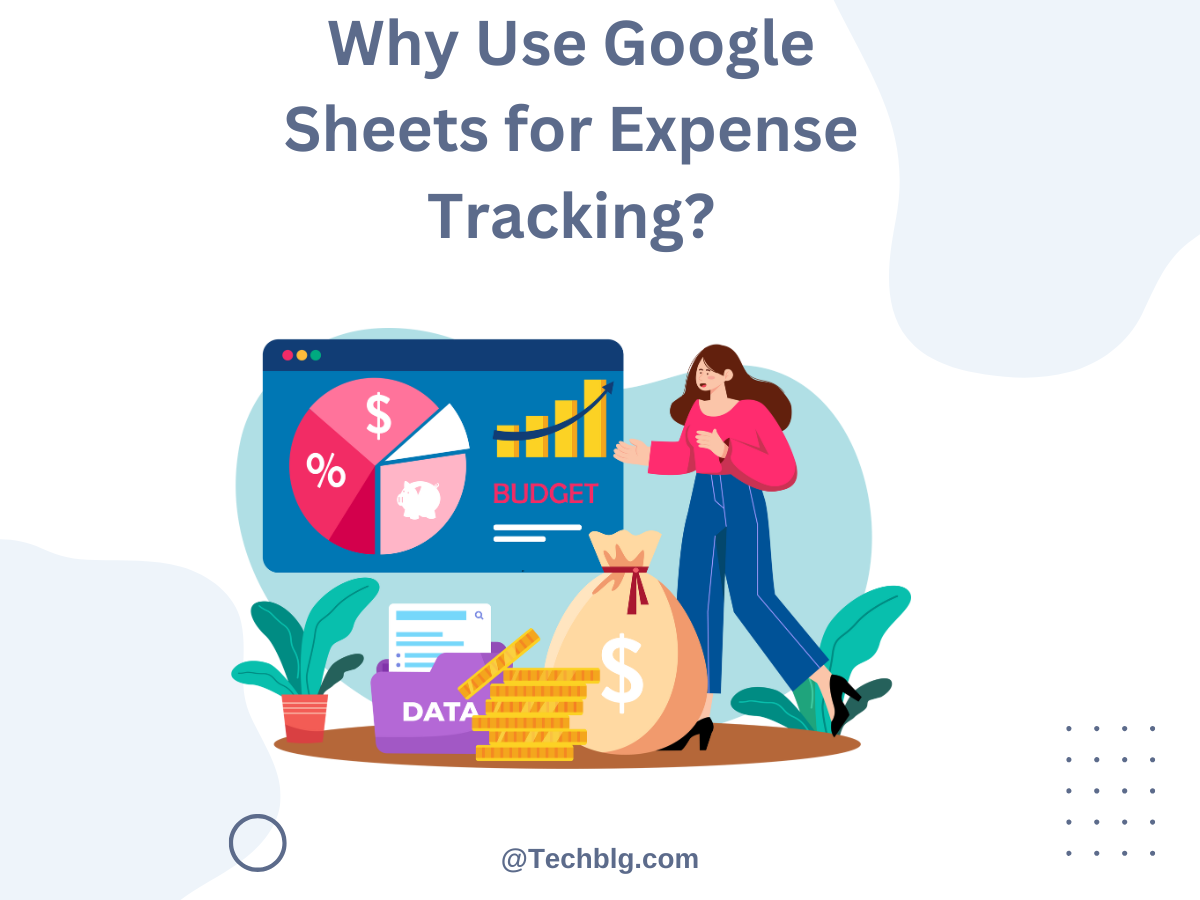
    Why Use Google Sheets for Expense Tracking?

    Why Use Google Sheets for Expense Tracking?

    1. Accessibility

    Google Sheets is cloud-based, which means you can access your expense tracker from any device with an internet connection. This is particularly useful for those who need to update their records on the go.

    2. Cost-Effective

    Unlike premium financial software, Google Sheets is free to use. It’s a great option for individuals, families, and small businesses looking to manage their finances without additional costs.

    3. Customizable Templates

    Google Sheets offers a range of customizable templates, allowing you to tailor your tracker to suit your unique needs. Whether you’re using an income and expense tracker Google Sheets template or a daily expense tracker Google Sheets template, the flexibility is unparalleled.

    4. Collaboration

    Google Sheets supports real-time collaboration. This is especially beneficial for couples managing joint expenses or teams monitoring a shared budget.

    5. Data Analysis Tools

    With built-in features like formulas, charts, and conditional formatting, Google Sheets makes it easy to analyze your financial data and gain insights into your spending habits.


    Types of Google Sheets Expense Tracker Templates

    1. Daily Expense Tracker Google Sheets Template

    This template is designed for tracking daily transactions. It’s perfect for individuals who want to monitor their day-to-day spending habits and identify areas for improvement.

    Features:

    • Columns for date, description, category, and amount.
    • Automatic categorization using drop-down menus.
    • Daily totals to keep spending in check.

    2. Monthly Expense Tracker Google Sheets Template

    Aimed at providing a broader financial overview, this template helps users track their income and expenses over a month.

    Features:

    • Income and expense breakdown.
    • Pie charts to visualize spending by category.
    • Automated calculations for monthly savings.

    3. Income and Expense Tracker Google Sheets Template

    Ideal for small businesses and freelancers, this template combines income and expense tracking to provide a clear picture of financial performance.

    Features:

    • Separate sheets for income and expenses.
    • Profit/loss calculation.
    • Customizable categories for business-related expenses.

    4. Family Budget Tracker

    Designed for households, this template helps families manage their collective income and expenses.

    Features:

    • Shared access for family members.
    • Budgeting tools for groceries, utilities, and other recurring expenses.
    • Alerts for overspending.

    Setting Up Your Google Sheets Expense Tracker

    Step 1: Choose the Right Template

    Select a template that aligns with your financial goals. For example, if you’re looking to monitor your daily spending, opt for a daily expense tracker Google Sheets template. For broader financial management, a monthly expense tracker Google Sheets template might be more appropriate.

    Step 2: Customize the Template

    Modify the template to suit your needs. Add or remove columns, adjust categories, and include additional fields such as payment methods or notes.

    Step 3: Input Your Data

    Start entering your financial transactions. Be consistent and detail-oriented to ensure accuracy.

    Step 4: Analyze Your Data

    Use Google Sheets’ built-in tools to review your financial data. Create charts and graphs to visualize trends and identify areas where you can cut costs or reallocate funds.

    Step 5: Maintain Regular Updates

    Update your tracker regularly. Set reminders to log your transactions daily or weekly to avoid data gaps.


    Advanced Tips for Using Google Sheets Expense Tracker Templates

    1. Use Conditional Formatting

    Highlight overspending in specific categories using conditional formatting. For example, you can set a rule to mark cells in red when expenses exceed a certain threshold.

    2. Automate Calculations

    Leverage Google Sheets formulas to automate calculations such as totals, averages, and percentages. This minimizes errors and saves time.

    3. Create Dashboards

    Design a financial dashboard within your tracker to display key metrics like total income, total expenses, and savings rate at a glance.

    4. Leverage Add-Ons

    Enhance your expense tracker with Google Sheets add-ons. For instance, you can use add-ons for currency conversion, advanced charting, or integration with other financial tools.

    5. Share with Accountability Partners

    If you’re budgeting with a partner, share the tracker with them. Real-time updates foster accountability and encourage better financial habits.


    Benefits of Using Google Sheets Expense Tracker Templates

    1. Improved Financial Awareness

    Tracking your expenses helps you understand your spending habits and identify areas where you can save.

    2. Enhanced Budgeting

    With a clear overview of your finances, you can set realistic budgets and stick to them.

    3. Goal Achievement

    Whether it’s saving for a vacation or paying off debt, an expense tracker keeps you aligned with your financial goals.

    4. Stress Reduction

    Knowing exactly where your money is going reduces financial anxiety and fosters a sense of control.

    5. Flexibility

    From personal use to business applications, Google Sheets expense tracker templates cater to diverse needs and can grow with you.


    FAQs Google sheets Expense Tracker Templates

    What is a Google Sheets expense tracker template?

    A Google Sheets expense tracker template is a pre-designed spreadsheet that helps users organize and monitor their financial transactions. It includes fields for income, expenses, categories, and more.

    Can I customize Google Sheets expense tracker templates?

    Yes, Google Sheets templates are highly customizable. You can add or remove columns, create new categories, and apply formulas to meet your specific needs.

    Is Google Sheets a good alternative to paid budgeting software?

    For many individuals and small businesses, Google Sheets is an excellent alternative. It’s free, versatile, and offers a wide range of features suitable for financial management.

    How often should I update my expense tracker?

    To maintain accuracy, update your expense tracker daily or weekly. Regular updates ensure that your financial data remains up to date.

    Can Google Sheets integrate with other financial tools?

    Yes, Google Sheets integrates with various financial tools and platforms. For example, you can use Zapier to connect Google Sheets with your bank account or accounting software for automated data entry.

    Conclusion

    A well-maintained Google Sheets Expense Tracker Template is a powerful tool for managing your finances effectively. Whether you’re tracking daily expenses or analyzing monthly budgets, these templates provide a simple yet robust solution. By leveraging the customization options, advanced features, and collaboration capabilities of Google Sheets, you can take control of your financial journey.

    Start by selecting the right template, customizing it to suit your needs, and maintaining regular updates. With consistent use, you’ll gain valuable insights into your spending habits and make informed financial decisions. Remember, financial discipline is the foundation of long-term success, and Google Sheets makes it easier than ever to achieve it.

    also you can read more about ; Inventory Management with Google Sheets Templates

  • Top 10 Strategies to Gain Loyal Followers on Twitter X

    Top 10 Strategies to Gain Loyal Followers on Twitter X

    Introduction
    X, formerly known as Twitter x, has evolved into a dynamic platform where brands, influencers, and businesses can thrive by connecting with audiences in real time. Building a loyal and engaged audience on X requires strategic planning, creativity, and a deep understanding of its unique features. This guide provides actionable insights to grow your followers on X organically while enhancing engagement through effective Twitter marketing strategies.

    twitter X

    Why Twitter X is Vital for Marketing

    As a microblogging and networking platform, X offers unique advantages:

    • Real-Time Communication: Engage with your audience instantly.
    • Global Reach: With millions of active users, X is a hub for diverse demographics.
    • Enhanced Discovery: Hashtags, trending topics, and replies make it easier to expand visibility.

    Effective use of X can help businesses amplify their voice, generate leads, and build credibility in their niche.


    Understanding the Twitter X Algorithm

    The X algorithm prioritizes engaging and relevant content. Key factors include:

    1. Engagement Metrics: Likes, retweets, replies, and shares boost visibility.
    2. Recency: Timely tweets are more likely to appear in followers’ feeds.
    3. Relevance: Tweets that align with user interests have better reach.

    Strategies to Grow Followers on Twitter X

    1. Optimize Your Profile

    • Profile Picture: Use a professional image or logo.
    • Bio: Highlight your expertise and include relevant keywords.
    • Pinned Tweet: Showcase a high-impact or evergreen tweet to captivate visitors.

    2. Create Valuable Content

    Share tweets that educate, entertain, or inspire. Include actionable insights, visuals, or compelling stories to attract more followers.

    Participate in trending conversations and use relevant hashtags to expand your audience.

    4. Engage Regularly

    Reply to tweets, participate in chats, and engage with your audience through polls and Q&A sessions.

    5. Use Multimedia

    Enhance your tweets with images, videos, and GIFs. Visual content significantly increases engagement on X.


    Tools to Enhance Growth on Twitter X

    1. X Analytics
      Analyze metrics like engagement rate, impressions, and follower growth to refine your strategy.
    2. Scheduling Tools
      Apps like Buffer, Hootsuite, or TweetDeck help maintain consistency by scheduling posts.
    3. Hashtag Generators
      Discover trending hashtags with tools like Hashtagify or Trendsmap.

    Best Practices for Twitter X Marketing

    1. Post Consistently

    Maintain a steady flow of tweets to keep your audience engaged.

    2. Use Strong CTAs

    Encourage followers to engage with prompts like:

    • “Retweet if you agree!”
    • “What’s your opinion on this topic?”

    3. Monitor Competitors

    Analyze the strategies of successful accounts in your niche and adapt their best practices.

    4. Diversify Content Formats

    Alternate between text-based tweets, infographics, and short video clips to cater to varied preferences.


    Pros and Cons of Growing Followers on Twitter X

    ProsCons
    Real-time engagementRequires frequent activity
    Opportunities for viralityTough competition in trending topics
    Builds brand authorityMay require paid promotion for quick growth
    Excellent for lead generationLimited character count for detailed posts

    Top 10 FAQs About Growing Twitter X Followers

    How often should I tweet?

    Aim for 3-5 tweets per day to remain visible.

    What are the best times to post on X?

    Late mornings and early evenings typically see higher engagement.

    Can hashtags increase followers?

    Yes, relevant hashtags make your tweets more discoverable.

    How important are visuals in tweets?

    Tweets with visuals receive significantly more engagement than text-only posts.

    How can I monetize my X account?

    Explore paid partnerships, affiliate marketing, and selling digital products.

    Should I use a professional or casual tone?

    Match your tone to your brand identity and audience expectations.

    Is it necessary to buy followers?

    No, focus on organic growth for genuine engagement.

    How can I handle negative comments?

    Respond professionally or ignore if the comment isn’t constructive.

    What’s the character limit for tweets?

    The current limit is 280 characters.

    How do I create engaging polls?

    Ask intriguing, relevant questions with clear options to encourage participation.

    Conclusion

    Building an engaged audience on X is an ongoing process that requires consistent effort, creativity, and interaction. By following these strategies and leveraging X’s features, you can create a robust community that amplifies your content and supports your goals. X remains a vital platform for real-time conversations, offering immense potential for personal branding and business growth.