Tag: Google Sheets

  • Best Google Sheets tips and tricks for productivity

    Best Google Sheets tips and tricks for productivity

    Best Google Sheets Tips and Tricks for Productivity

    Introduction
    The best Google Sheets tips and tricks for productivity can transform the way you work, whether you’re a student managing assignments or a business professional tracking data. Google Sheets is not just a free spreadsheet tool it’s a versatile platform that, when used effectively, can boost efficiency, improve collaboration, and streamline complex workflows. In this article, we’ll explore over 3000 words of expert insights, practical tips, and advanced techniques on how to increase productivity with Google Sheets. We’ll cover strategies that cater to both students and businesses, ensuring you can harness the full power of this tool. If you’re looking to elevate your daily productivity using Google Sheets, read on to discover actionable tips and tricks.


    Why Google Sheets is Essential for Productivity
    Best Google Sheets tips and tricks for productivity

    Best Google Sheets tips and tricks for productivity

    Google Sheets offers many advantages over traditional desktop spreadsheet applications. Its cloud-based nature enables real-time collaboration, seamless sharing, and the ability to access your data from any device. Whether you’re a student organizing your class schedule, an entrepreneur managing finances, or a manager tracking projects, Google Sheets is adaptable to any need. Here’s why Google Sheets stands out:

    Cloud-Based and Accessible

    Since Google Sheets is cloud-based, you never have to worry about losing your work. Updates are saved automatically, and multiple users can access and collaborate on a single document simultaneously. This means whether you’re in the office or on the go, your work is always available.

    Customizability and Flexibility

    Google Sheets allows you to create custom templates that fit your unique needs. From budgeting to project management, you can tailor your spreadsheets with formulas, conditional formatting, and custom layouts. Its flexibility means you can adapt it for both personal and professional use.

    Integration with Other Tools

    Google Sheets integrates seamlessly with other Google Workspace applications such as Google Docs, Google Slides, and Google Forms. Additionally, third-party add-ons extend its functionality further making it possible to import data, automate tasks, and generate reports with minimal effort.

    Cost-Effective and Easy to Use

    One of the biggest advantages is that Google Sheets is free for individuals and included with affordable Google Workspace subscriptions for businesses. Its user-friendly interface means that both beginners and advanced users can benefit from its features without needing extensive training.


    Top Google Sheets Tips and Tricks for Increased Productivity

    In this section, we’ll dive into the core tips and tricks that will help you harness the power of Google Sheets to maximize productivity. Whether you’re a student looking to organize assignments or a business professional tracking complex data, these strategies will help you work smarter, not harder.

    Advanced Formulas and Functions

    Mastering Basic Functions

    Google Sheets is equipped with powerful functions such as SUM, AVERAGE, COUNT, MIN, and MAX. Understanding these basics is crucial:

    • SUM: Automatically calculates the total of a range of numbers.
    • AVERAGE: Computes the mean of a dataset.
    • COUNT: Tally the number of cells that contain numbers.
    • MIN/MAX: Identify the smallest or largest number in a range.

    Utilizing Lookup Functions

    Advanced users can leverage functions like VLOOKUP, HLOOKUP, and INDEX-MATCH to search through large datasets:

    • VLOOKUP: Searches for a value in the first column of a range and returns a value in the same row from a specified column.
    • INDEX-MATCH: A more flexible combination that allows horizontal and vertical lookups.

    Using Array Formulas

    Array formulas allow you to perform multiple calculations on a range of cells and output multiple results. This is particularly useful for handling large data sets without writing repetitive formulas.

    Data Validation and Conditional Formatting

    Setting Up Data Validation

    Data validation ensures data consistency and accuracy by restricting the type of data that can be entered in a cell. For example, you can create dropdown menus for specific categories, reducing the risk of errors.

    Enhancing Visual Appeal with Conditional Formatting

    Conditional formatting helps highlight important information automatically. For instance:

    • Change cell colors based on values (e.g., red for expenses over budget).
    • Use icons to represent trends in data.
    • Format dates to show upcoming deadlines.

    Utilizing Pivot Tables for Data Analysis

    Creating Pivot Tables

    Pivot tables in Google Sheets allow you to summarize large amounts of data quickly. They help in identifying trends and patterns by grouping data into easily digestible summaries.

    • How to Create: Select your data range, then go to Data > Pivot table.
    • Benefits: Simplifies data analysis, enabling you to focus on key metrics.

    Customizing Pivot Tables

    Customize pivot tables by adding rows, columns, and filters to display the data that matters most. You can also use calculated fields to generate custom metrics within your pivot tables.

    Automating Tasks with Google Apps Script

    What is Google Apps Script?

    Google Apps Script is a JavaScript-based language that enables automation in Google Sheets. It allows you to write custom functions and automate repetitive tasks, such as sending email notifications or updating data.

    Practical Automation Examples

    • Automated Reporting: Generate and email reports at scheduled intervals.
    • Data Import: Automatically pull data from external sources into your Google Sheets.
    • Custom Alerts: Create scripts to notify you when data changes or thresholds are reached.

    Integrations and Add-Ons for Enhanced Productivity

    Google Sheets can be extended with various add-ons that enhance its functionality:

    • Supermetrics: For pulling data from marketing platforms.
    • Coupler.io: Automates data integration from various sources.
    • Sheetgo: For creating complex workflows and connecting multiple spreadsheets.

    How to Install Add-Ons

    To install an add-on:

    1. Open Google Sheets.
    2. Click on Extensions > Add-ons > Get add-ons.
    3. Search for the desired add-on and click Install.

    Custom Templates: Tailoring Google Sheets to Your Needs

    Budget Templates

    Budget templates help you track monthly expenses, income, and savings. The Google Sheets budget template is ideal for both personal and business finance tracking.

    • Features: Automated calculations, customizable categories, and visual graphs.

    Schedule and Project Management Templates

    Templates for scheduling and project management allow you to track tasks, deadlines, and project progress. Whether it’s a Google Sheets weekly planner template or a Gantt chart template, these tools help maintain clarity and focus.

    • Benefits: Streamlined scheduling, real-time updates, and easy collaboration.

    Inventory and CRM Templates

    For businesses, Google Sheets templates can replace costly software for inventory management and CRM. They provide a lightweight yet powerful solution to track stock levels, customer interactions, and sales pipelines.

    • Features: Data organization, automated updates, and customizable layouts.

    Best Google Sheets Tips and Tricks for Productivity for Students and Business

    For Students

    Students can leverage Google Sheets to organize assignments, track academic progress, and manage study schedules.

    • Tips:
      • Use a Google Sheets weekly planner template to schedule study sessions.
      • Track grades and assignments with a dedicated academic tracker.
      • Collaborate with classmates on group projects in real-time.

    For Businesses

    For business users, Google Sheets can handle everything from budgeting to project management.

    • Tips:
      • Use Google Sheets budget templates to monitor expenses and revenue.
      • Create custom dashboards to track key performance indicators.
      • Integrate with CRM or ERP systems for comprehensive business insights.

    How to Increase Productivity with Google Sheets

    Google Sheets can be a game-changer for productivity if used correctly. Here are some advanced strategies:

    Automate Routine Tasks

    • Apps Script: Write scripts to automate data updates, email notifications, and report generation.
    • Add-Ons: Use add-ons like Coupler.io to automate data imports from other sources.

    Optimize Data Visualization

    • Conditional Formatting: Use color coding to highlight important data points.
    • Pivot Tables: Summarize large datasets quickly for clear insights.
    • Charts and Graphs: Visualize data trends and track performance over time.

    Enhance Collaboration

    • Real-Time Editing: Enable team members to collaborate on spreadsheets simultaneously.
    • Commenting and Version History: Use these features to track changes and improve team communication.
    • Integration with Google Workspace: Sync your Sheets with Google Calendar, Docs, and Drive for a seamless workflow.

    Real-World Applications of Google Sheets Templates

    Financial Planning and Budgeting

    Google Sheets budget templates are indispensable for managing finances. They allow businesses to track income, expenses, and savings, generating real-time reports that help in making informed financial decisions. With features like conditional formatting and automated calculations, these templates simplify the budgeting process, making them a must-have for anyone looking to control their finances.

    Project and Task Management

    Project management templates, such as weekly planners and Gantt chart templates, help teams keep track of tasks, deadlines, and milestones. These templates provide a visual overview of your projects, making it easier to assign tasks, track progress, and ensure timely completion.

    Inventory and Resource Management

    For businesses managing inventory, custom Google Sheets templates can function as lightweight ERP systems. These templates allow you to monitor stock levels, set reorder points, and manage supplier data efficiently, ensuring you never run out of critical items.

    CRM and Customer Data Management

    Even customer relationship management can be handled efficiently with Google Sheets. Templates can be used to track customer interactions, manage leads, and analyze sales data, providing a cost-effective alternative to complex CRM systems.

    Daily, Weekly, and Monthly Planning

    Using Google Sheets as a planner is highly effective for both personal and business use. With a variety of templates available—such as the Google Sheets weekly planner template—users can organize daily tasks, schedule meetings, and track long-term goals, ensuring nothing falls through the cracks.


    Top 10 FAQs About Google Sheets Templates for Productivity

    What are Google Sheets templates for productivity?
    Google Sheets templates are pre-designed spreadsheets that help streamline tasks like budgeting, scheduling, project management, and data analysis, saving time and increasing efficiency.
    How do I customize a Google Sheets template?
    You can customize templates by editing formulas, changing formatting, adding new columns or rows, and using conditional formatting. Google Apps Script can further automate customization.
    Are there free Google Sheets templates available?
    Yes, many high-quality free templates are available in the Google Template Gallery and on third-party websites, covering various needs from budgeting to project management.
    How can Google Sheets improve business productivity?
    By using Google Sheets for tasks such as budgeting, scheduling, and project tracking, businesses can streamline workflows, reduce manual errors, and enable real-time collaboration among team members.
    Can Google Sheets be used as a complete ERP or CRM solution?
    While Google Sheets can handle basic inventory and CRM tasks using templates, larger organizations might need dedicated ERP or CRM software for more complex requirements.
    Best Google Sheets tips and tricks for productivity
    for talking about best google sheets tips and tricks for productivity so we can do the simple tricks like Boost Google Sheets productivity with key shortcuts (e.g., Ctrl/Cmd + Shift + L for filters), ARRAYFORMULA/ XLOOKUP for bulk tasks, QUERY/ IMPORTRANGE to automate data, and Pivot Tables for summaries. Use Conditional Formatting/ Data Validation for visuals/clean inputs, enable Explore for AI insights, and collaborate via comments/version history. Add macros, named ranges, and add-ons like Power Tools for efficiency.

    Conclusion

    Google Sheets is a powerful, flexible tool that can significantly enhance productivity for both students and businesses. With a wide range of templates available—ranging from budget management and project planning to inventory tracking and CRM—Google Sheets can be tailored to meet virtually every business need. Its real-time collaboration, automation capabilities, and cost-effectiveness make it an indispensable asset in today’s digital workspace.

    By implementing the best Google Sheets tips and tricks for productivity and leveraging pre-built templates like the Google Sheets templates Planner, businesses can streamline operations, reduce manual work, and focus on strategic decision-making. Whether you’re managing a small team or handling personal projects, Google Sheets offers the tools you need to achieve efficiency and success.

    For further insights, be sure to explore our related articles on Google sheets Expense Tracker Templates, Inventory Management with Google Sheets Templates, and Budget Management with Google Sheets Templates. Embrace the power of Google Sheets templates and transform your workflow today!
    References for Best Google Sheets tips and tricks for productivity

    1. Google Workspace: Google Sheets Templates
    2. Template.net: Business Spreadsheet Templates
    3. Tiller Money: Automated Spreadsheets for Finance
    4. Supermetrics: Data Integration for Google Sheets
    5. Sheetgo: Workflow Automation in Google Sheets
  • Google Sheets templates Planner

    Google Sheets templates Planner

    The Ultimate Guide to Google Sheets Templates Planner

    Introduction
    In today’s fast-paced business and personal environment, using a Google Sheets templates Planner can be a game changer for effective time management. Google Sheets offers an incredibly flexible platform that allows you to create, customize, and share planning templates without the expense of proprietary software. In this comprehensive guide, we’ll delve into how you can leverage Google Sheets for planning whether you’re searching for a Google Sheets templates planner free or exploring advanced Google Sheets templates planning options. From organizing your weekly schedule to managing projects and tracking goals, our guide provides expert insights, actionable tips, and answers to common questions, ensuring you get the most out of your digital planner.


    What Are Google Sheets Templates Planner?

    google sheets templates planner
    google sheets templates planner

    Google Sheets templates planner refers to pre-designed spreadsheet layouts within Google Sheets that help you plan, schedule, and manage tasks, projects, and budgets. These templates are designed to be highly customizable and can be adapted to fit your personal or business needs. Whether you need a weekly planner, a project timeline, or even a comprehensive business calendar, Google Sheets templates offer the flexibility and collaboration features essential for modern productivity.

    Why Use Google Sheets Templates Planner?

    There are numerous advantages to using Google Sheets for planning:

    • Cost-Effective: Google Sheets is free with a Google account, making it an affordable solution for startups, small businesses, and individuals.
    • Real-Time Collaboration: Multiple users can work on the same sheet simultaneously, making it perfect for teams.
    • Customization: You can modify templates to suit your needs, from changing colors and fonts to adding custom formulas.
    • Integration: Easily integrates with other Google Workspace tools like Google Docs, Google Calendar, and Google Forms.
    • Accessibility: Being cloud-based, you can access your planning templates from anywhere, on any device with internet connectivity.

    Types of Google Sheets Planner Templates

    Weekly Planner Templates

    Google Sheets weekly planner templates are designed to help you organize your week with a clear view of your tasks, meetings, and deadlines. They provide an overview of each day and allow you to track progress, set priorities, and manage your time effectively.

    Key Features of Weekly Planner Templates

    • Day-by-Day Layout: Divide your week into daily sections for detailed planning.
    • Task Lists: Easily add and check off tasks as you complete them.
    • Time Blocks: Allocate specific time slots for meetings, work sessions, and breaks.
    • Priority Indicators: Highlight urgent tasks and important deadlines.
    • Visual Elements: Use conditional formatting and color-coding to quickly assess your schedule.

    Benefits of Using Weekly Planner Templates

    • Improved Organization: See your entire week at a glance to manage time better.
    • Enhanced Productivity: Prioritize tasks and allocate time effectively.
    • Collaboration: Share your weekly plan with team members for coordinated efforts.
    • Flexibility: Customize the template to fit your unique work style and requirements.

    Detailed Presentation of Top 5 Google Sheets Planner Templates

    Below are five highly effective Google Sheets planner templates designed to streamline your planning process. Each template is analyzed based on its features, pricing (if applicable), pros, and cons.

    Template 1: The Ultimate Weekly Planner

    Overview:
    The Ultimate Weekly Planner is designed for professionals and entrepreneurs who need a detailed overview of their weekly schedule. This template is especially useful for managing multiple projects and coordinating team activities.

    Key Features:

    • Day-by-day breakdown with hourly time slots.
    • Task and meeting scheduling sections.
    • Color-coded priority markers.
    • Integrated notes section for additional details.
    • Automated daily reminders using Google Apps Script.

    Pricing:
    Free (available on the Google Template Gallery) with optional premium customization services available from third-party providers.

    Pros & Cons Table:

    Template 2: Simple Budget Planner

    Overview:
    The Simple Budget Planner is a focused tool for managing personal and business finances. It helps track income, expenses, and savings over the course of a month.

    Key Features:

    • Automated calculations for totals and variances.
    • Pre-set categories for income and expenses.
    • Visual charts for tracking spending trends.
    • Conditional formatting to highlight overspending.
    • Easy-to-update format for real-time financial management.

    Pricing:
    Free with Google Sheets; premium versions available via custom design services.

    Pros & Cons Table:

    Template 3: Project Management Planner

    Overview:
    The Project Management Planner is ideal for teams and freelancers managing multiple projects. It combines task management, timeline tracking, and progress reporting in one cohesive layout.

    Key Features:

    • Gantt chart integration for timeline visualization.
    • Task assignment and progress tracking.
    • Milestone markers and deadline alerts.
    • Collaboration features for team input and feedback.
    • Customizable columns to track project status, priorities, and notes.

    Pricing:
    Free template available; premium support and advanced features available for a fee.

    Pros & Cons Table:

    Template 4: Daily Planner and To-Do List

    Overview:
    This Daily Planner and To-Do List template is perfect for individuals looking to structure their day efficiently. It combines a detailed daily schedule with a comprehensive task list.

    Key Features:

    • Hourly breakdown of the day for scheduling tasks.
    • Prioritization system for to-do items.
    • Space for daily goals and reflections.
    • Integration with Google Calendar for seamless scheduling.
    • Visual progress indicators to track daily accomplishments.

    Pricing:
    Free template; customization services available at additional cost.

    Pros & Cons Table:

    Template 5: Marketing Campaign Planner

    Overview:
    Designed specifically for marketing teams, the Marketing Campaign Planner template helps organize campaign schedules, track key performance indicators (KPIs), and measure campaign success.

    Key Features:

    • Campaign timeline and milestone tracking.
    • Budget allocation and expense tracking for each campaign.
    • Integration with data visualization tools for KPI monitoring.
    • Sections for campaign goals, strategies, and outcomes.
    • Collaboration features for team input.

    Pricing:
    Free template; optional premium versions for enhanced features available.

    Pros & Cons Table:


    Benefits of Using Google Sheets Templates for Planning

    H2: Why Google Sheets Templates Are Game-Changers

    Google Sheets templates empower businesses by providing pre-designed frameworks that are easy to customize. Here are some of the primary benefits:

    • Time Efficiency: Save hours by using ready-made templates that require minimal setup.
    • Cost-Effectiveness: Leverage free or low-cost solutions instead of investing in expensive software.
    • Flexibility: Customize templates to suit your exact business needs without starting from scratch.
    • Real-Time Collaboration: Work on documents simultaneously with team members, ensuring everyone is on the same page.
    • Integration: Seamlessly link Google Sheets with other Google Workspace tools for a unified workflow.

    How to Use Google Sheets Templates in Your Business

    Financial Planning and Budgeting

    Using a Google Sheets Budget Template can help you manage your monthly expenses and plan for the future. By integrating your income, expenses, and savings goals into a simple spreadsheet, you can generate real-time reports and visualizations to make informed financial decisions.

    Project Management and Scheduling

    Google Sheets templates for project management, such as Gantt chart templates and weekly planners, allow you to track project timelines, assign tasks, and monitor progress. These tools are perfect for teams looking to stay organized and ensure deadlines are met.

    Inventory and Data Management

    For businesses that need to manage inventory, Google Sheets can serve as a lightweight ERP solution. Inventory management templates help track stock levels, supplier details, and reorder points, providing a comprehensive overview without investing in complex software.

    Marketing and Sales Planning

    Marketing teams can benefit from Google Sheets templates designed for campaign planning and performance tracking. These templates can help you outline strategies, allocate budgets, and measure campaign success through integrated dashboards.

    HR and Employee Management

    Manage employee data, track time off, and schedule shifts with dedicated HR templates in Google Sheets. These templates help small businesses keep their workforce organized and maintain accurate records.


    How to Get the Most Out of Google Sheets Templates

    Advanced Tips for Maximizing Google Sheets Templates

    Automation with Google Apps Script

    Enhance your Google Sheets templates by using Google Apps Script to automate repetitive tasks, such as data updates, email notifications, and report generation. This automation saves time and reduces errors.

    Customization for Specific Needs

    Every business is unique, so it’s important to customize your templates. Adjust formulas, add new data fields, and modify visual elements to ensure your templates align with your business processes.

    Integration with Other Tools

    Google Sheets integrates seamlessly with other Google Workspace tools. Link your templates with Google Forms for data collection, Google Calendar for scheduling, and even third-party tools like Zapier to automate workflows.

    Using Add-Ons for Enhanced Functionality

    Explore Google Sheets add-ons that extend functionality. Tools like Supermetrics, Coupler.io, and Sheetgo can automate data imports from various sources, making your templates even more powerful.


    Top 5 FAQs About Google Sheets Templates for Business (FAQ)

    What are Google Sheets templates for business?

    Google Sheets templates are pre-designed spreadsheets that help you manage tasks, budgets, projects, and more without building from scratch.

    How can I customize a Google Sheets budget template?

    You can modify a budget template by changing formulas, updating categories, and using conditional formatting to suit your financial tracking needs.

    Are there free Google Sheets templates available?

    Yes, many free templates are available in the Google Template Gallery, along with additional free resources available online.

    Can Google Sheets be used for project management?

    Absolutely. Google Sheets templates for project management, including Gantt charts and weekly planners, help track progress and deadlines.

    How secure is my data in Google Sheets?

    Google Sheets uses robust security measures, including encryption and multi-factor authentication, to protect your data.

    Conclusion

    Google Sheets templates Planner are indispensable tools for businesses seeking to enhance their planning, budgeting, and overall organizational efficiency. With options ranging from a Google Sheets weekly planner template to a full-scale project management template for Google Sheets, these tools empower businesses to streamline operations without heavy investments in software. They offer real-time collaboration, customization, and integration capabilities that cater to the dynamic needs of modern enterprises.

    Whether you’re managing a monthly budget, tracking project timelines, or organizing a comprehensive business plan, Google Sheets templates offer a flexible and cost-effective solution. By leveraging automation, add-ons, and seamless integration with other Google Workspace tools, you can optimize your workflow and drive success.

    For additional insights on effective business tools, check out our related articles, including Best Project Management Software, Best Small Business Accounting Software, and Top 10 Business Analysis Tools. Embrace the power of Google Sheets templates to transform your business processes and stay ahead in today’s competitive landscape. also you can find more in techblg like : Inventory Management with Google Sheets Templates, Google sheets Expense Tracker Templates and Budget Management with Google Sheets Templates


    References

    1. Google Workspace – Google Sheets Templates
    2. Template.net – Business Spreadsheet Templates
    3. Tiller Money – Automated Spreadsheet Tools
    4. Supermetrics – Data Integration for Google Sheets
    5. Sheetgo – Workflow Automation in Google Sheets
  • Google sheets Expense Tracker Templates

    Google sheets Expense Tracker Templates

    You can use a Sheets file on google for your business like Google Sheets Expense Tracker Templates Managing finances effectively is one of the principal challenges for individuals and businesses alike. Whether you’re tracking daily expenses or monitoring monthly budgets, a well-structured Google Sheets Expense Tracker Templates can make the process seamless and efficient. With the versatility and accessibility of Google Sheets, expense tracking is no longer a daunting task but an empowering habit to cultivate financial discipline.

    This guide explores the various types of Google Sheets expense tracker templates, their benefits, and how to use them to organize and analyze your financial data. By the end of this article, you’ll have a clear understanding of how to leverage these templates to take control of your finances. Additionally, we will address frequently asked questions and provide actionable tips for getting the most out of these tools.


    Why Use Google Sheets for Expense Tracking?

    Why Use Google Sheets for Expense Tracking?

    1. Accessibility

    Google Sheets is cloud-based, which means you can access your expense tracker from any device with an internet connection. This is particularly useful for those who need to update their records on the go.

    2. Cost-Effective

    Unlike premium financial software, Google Sheets is free to use. It’s a great option for individuals, families, and small businesses looking to manage their finances without additional costs.

    3. Customizable Templates

    Google Sheets offers a range of customizable templates, allowing you to tailor your tracker to suit your unique needs. Whether you’re using an income and expense tracker Google Sheets template or a daily expense tracker Google Sheets template, the flexibility is unparalleled.

    4. Collaboration

    Google Sheets supports real-time collaboration. This is especially beneficial for couples managing joint expenses or teams monitoring a shared budget.

    5. Data Analysis Tools

    With built-in features like formulas, charts, and conditional formatting, Google Sheets makes it easy to analyze your financial data and gain insights into your spending habits.


    Types of Google Sheets Expense Tracker Templates

    1. Daily Expense Tracker Google Sheets Template

    This template is designed for tracking daily transactions. It’s perfect for individuals who want to monitor their day-to-day spending habits and identify areas for improvement.

    Features:

    • Columns for date, description, category, and amount.
    • Automatic categorization using drop-down menus.
    • Daily totals to keep spending in check.

    2. Monthly Expense Tracker Google Sheets Template

    Aimed at providing a broader financial overview, this template helps users track their income and expenses over a month.

    Features:

    • Income and expense breakdown.
    • Pie charts to visualize spending by category.
    • Automated calculations for monthly savings.

    3. Income and Expense Tracker Google Sheets Template

    Ideal for small businesses and freelancers, this template combines income and expense tracking to provide a clear picture of financial performance.

    Features:

    • Separate sheets for income and expenses.
    • Profit/loss calculation.
    • Customizable categories for business-related expenses.

    4. Family Budget Tracker

    Designed for households, this template helps families manage their collective income and expenses.

    Features:

    • Shared access for family members.
    • Budgeting tools for groceries, utilities, and other recurring expenses.
    • Alerts for overspending.

    Setting Up Your Google Sheets Expense Tracker

    Step 1: Choose the Right Template

    Select a template that aligns with your financial goals. For example, if you’re looking to monitor your daily spending, opt for a daily expense tracker Google Sheets template. For broader financial management, a monthly expense tracker Google Sheets template might be more appropriate.

    Step 2: Customize the Template

    Modify the template to suit your needs. Add or remove columns, adjust categories, and include additional fields such as payment methods or notes.

    Step 3: Input Your Data

    Start entering your financial transactions. Be consistent and detail-oriented to ensure accuracy.

    Step 4: Analyze Your Data

    Use Google Sheets’ built-in tools to review your financial data. Create charts and graphs to visualize trends and identify areas where you can cut costs or reallocate funds.

    Step 5: Maintain Regular Updates

    Update your tracker regularly. Set reminders to log your transactions daily or weekly to avoid data gaps.


    Advanced Tips for Using Google Sheets Expense Tracker Templates

    1. Use Conditional Formatting

    Highlight overspending in specific categories using conditional formatting. For example, you can set a rule to mark cells in red when expenses exceed a certain threshold.

    2. Automate Calculations

    Leverage Google Sheets formulas to automate calculations such as totals, averages, and percentages. This minimizes errors and saves time.

    3. Create Dashboards

    Design a financial dashboard within your tracker to display key metrics like total income, total expenses, and savings rate at a glance.

    4. Leverage Add-Ons

    Enhance your expense tracker with Google Sheets add-ons. For instance, you can use add-ons for currency conversion, advanced charting, or integration with other financial tools.

    5. Share with Accountability Partners

    If you’re budgeting with a partner, share the tracker with them. Real-time updates foster accountability and encourage better financial habits.


    Benefits of Using Google Sheets Expense Tracker Templates

    1. Improved Financial Awareness

    Tracking your expenses helps you understand your spending habits and identify areas where you can save.

    2. Enhanced Budgeting

    With a clear overview of your finances, you can set realistic budgets and stick to them.

    3. Goal Achievement

    Whether it’s saving for a vacation or paying off debt, an expense tracker keeps you aligned with your financial goals.

    4. Stress Reduction

    Knowing exactly where your money is going reduces financial anxiety and fosters a sense of control.

    5. Flexibility

    From personal use to business applications, Google Sheets expense tracker templates cater to diverse needs and can grow with you.


    FAQs Google sheets Expense Tracker Templates

    What is a Google Sheets expense tracker template?

    A Google Sheets expense tracker template is a pre-designed spreadsheet that helps users organize and monitor their financial transactions. It includes fields for income, expenses, categories, and more.

    Can I customize Google Sheets expense tracker templates?

    Yes, Google Sheets templates are highly customizable. You can add or remove columns, create new categories, and apply formulas to meet your specific needs.

    Is Google Sheets a good alternative to paid budgeting software?

    For many individuals and small businesses, Google Sheets is an excellent alternative. It’s free, versatile, and offers a wide range of features suitable for financial management.

    How often should I update my expense tracker?

    To maintain accuracy, update your expense tracker daily or weekly. Regular updates ensure that your financial data remains up to date.

    Can Google Sheets integrate with other financial tools?

    Yes, Google Sheets integrates with various financial tools and platforms. For example, you can use Zapier to connect Google Sheets with your bank account or accounting software for automated data entry.

    Conclusion

    A well-maintained Google Sheets Expense Tracker Template is a powerful tool for managing your finances effectively. Whether you’re tracking daily expenses or analyzing monthly budgets, these templates provide a simple yet robust solution. By leveraging the customization options, advanced features, and collaboration capabilities of Google Sheets, you can take control of your financial journey.

    Start by selecting the right template, customizing it to suit your needs, and maintaining regular updates. With consistent use, you’ll gain valuable insights into your spending habits and make informed financial decisions. Remember, financial discipline is the foundation of long-term success, and Google Sheets makes it easier than ever to achieve it.

    also you can read more about ; Inventory Management with Google Sheets Templates

  • Inventory Management with Google Sheets Templates

    Inventory Management with Google Sheets Templates

    Inventory management with google sheets templates is a critical aspect of running a successful business. For entrepreneurs and small business owners seeking a cost-effective solution, Inventory Management with Google Sheets Templates is a game-changing option. With this powerful yet simple tool, you can streamline your inventory processes, avoid stockouts, and make informed decisions to grow your business.

    In this comprehensive guide, we’ll explore how you can use Google Sheets templates for inventory management, their benefits, and how to implement them effectively. We’ll also cover the common challenges businesses face and provide actionable solutions to overcome them. This article is designed to help you master inventory management while optimizing for search engines to reach the audience that needs this information.


    What is Inventory Management?

    Inventory management refers to the process of ordering, storing, and utilizing a company’s inventory. It encompasses everything from raw materials and components to finished goods. Proper inventory management ensures that businesses have the right quantity of items at the right time, reducing the risks of overstocking or understocking.

    For small businesses, managing inventory can be challenging due to limited resources. That’s where Google Sheets templates come in, offering a low-cost and highly customizable solution. Let’s delve deeper into how these templates work and their advantages.


    Benefits of Using Google Sheets for Inventory Management

    google sheets template for stock management

    Google Sheets is a versatile tool that provides several advantages for managing your inventory:

    Description

    1. Cost-Effectiveness

    Unlike expensive inventory management software, Google Sheets is free to use. This makes it an ideal choice for startups and small businesses with tight budgets.

    2. Accessibility

    Google Sheets is cloud-based, allowing you to access your inventory data from anywhere with an internet connection. This feature is especially useful for businesses with remote teams.

    3. Real-Time Collaboration

    With Google Sheets, multiple users can collaborate in real-time. This ensures that everyone on your team is working with the latest inventory data.

    4. Customizability

    You can tailor Google Sheets templates to fit your specific inventory management needs. From tracking stock levels to calculating reorder points, the possibilities are endless.

    5. Integration with Other Tools

    Google Sheets integrates seamlessly with other tools like Google Analytics, Zapier, and various e-commerce platforms. This allows you to automate tasks and improve efficiency.


    How to Create an Inventory Management System with Google Sheets Templates

    Step 1: Identify Your Needs

    Before you start, determine what you want to achieve with your inventory management system. Do you need to track stock levels, monitor sales, or calculate reorder points? Having a clear goal will help you choose the right template and customize it effectively.

    Step 2: Choose a Google Sheets Inventory Template

    Search for a Google Sheet inventory template that matches your requirements. Many free and paid options are available online. Look for templates that include features like stock tracking, low-stock alerts, and automated calculations.

    Step 3: Customize the Template

    Once you’ve chosen a template, customize it to suit your business needs. Here are some elements you may want to include:

    • Product ID and Name: Unique identifiers for your inventory items.
    • Stock Levels: Columns to track the current quantity of each item.
    • Reorder Points: Minimum stock levels that trigger a reorder.
    • Supplier Information: Details of your suppliers for quick reference.
    • Sales Data: Fields to record sales and monitor trends.

    Step 4: Input Your Inventory Data

    Enter your existing inventory data into the template. Ensure accuracy by double-checking your entries. If you’re transitioning from another system, take the time to clean up your data to avoid discrepancies.

    Step 5: Automate Calculations

    Google Sheets allows you to use formulas to automate calculations. For instance, you can set up formulas to calculate:

    • Total inventory value
    • Days of inventory remaining
    • Reorder quantities

    Step 6: Regularly Update Your Data

    Inventory management requires consistent updates. Assign someone on your team to update the Google Sheet regularly with new stock arrivals, sales, and other changes.


    Key Features of a Good Google Sheet Inventory Template

    When selecting or designing a Google Sheet inventory template, ensure it includes the following features:

    1. Stock Level Tracking

    A simple interface to monitor the quantity of each product in your inventory.

    2. Low-Stock Alerts

    Conditional formatting or automated emails to alert you when stock levels are low.

    3. Reorder Point Calculations

    Formulas to determine when it’s time to reorder based on your average sales and lead times.

    Charts and graphs to visualize sales trends and predict future demand.

    5. Integration Options

    Compatibility with other tools and platforms for a seamless workflow.


    Common Challenges in Inventory Management and How Google Sheets Helps

    Challenge 1: Data Accuracy

    Manual inventory tracking can lead to errors.

    Solution: Google Sheets allows you to use dropdown menus, data validation, and formulas to minimize mistakes.

    Challenge 2: Stockouts

    Running out of stock can disrupt your operations and lead to lost sales.

    Solution: Use low-stock alerts and reorder point formulas in your Google Sheet inventory template.

    Challenge 3: Overstocking

    Excess inventory ties up capital and storage space.

    Solution: Monitor sales trends and adjust your reorder points accordingly.

    Challenge 4: Scalability

    As your business grows, managing inventory becomes more complex.

    Solution: Regularly update and refine your Google Sheets templates to accommodate your growing needs or integrate with more advanced tools as required.


    Advanced Tips for Using Google Sheets for Inventory Management

    Tip 1: Use Conditional Formatting

    Highlight low-stock items or expired products with conditional formatting. This makes it easier to spot issues at a glance.

    Tip 2: Leverage Add-Ons

    Google Sheets has several add-ons that can enhance its functionality. For example, you can use add-ons to generate barcodes or automate data entry.

    Tip 3: Create Dashboards

    Design a dashboard in your Google Sheet to provide a visual overview of your inventory, sales, and other key metrics.

    Tip 4: Automate Data Entry

    Use tools like Google Forms or Zapier to automate data entry and reduce manual work.

    Tip 5: Backup Your Data

    Regularly back up your Google Sheet to prevent data loss. You can use Google Drive or export the file to Excel for safekeeping.


    Faq About Inventory Management with Google Sheets Templates

    What is a Google Sheet inventory template?

    A Google Sheet inventory template is a pre-designed spreadsheet that helps businesses track and manage their inventory efficiently. It includes fields for product details, stock levels, reorder points, and more.

    Can I use Google Sheets for inventory management for free?

    Yes, Google Sheets is free to use, making it an excellent choice for small businesses looking to save on costs.

    Are there any limitations to using Google Sheets for inventory management?

    While Google Sheets is a powerful tool, it may not be suitable for businesses with very large inventories or complex needs. In such cases, dedicated inventory management software might be more appropriate.

    How do I customize a Google Sheet inventory template?

    You can customize a template by adding or removing columns, creating formulas, and applying conditional formatting to suit your specific needs.

    Can Google Sheets integrate with other tools for inventory management?

    Yes, Google Sheets integrates with various tools like Zapier, Google Analytics, and e-commerce platforms to streamline inventory management.

    Conclusion

    Effective inventory management is crucial for the success of any business. By using Google Sheets templates for inventory management, you can streamline your processes, save costs, and make data-driven decisions. Whether you’re a small business owner or an entrepreneur, leveraging the power of Google Sheets can transform the way you manage your inventory.

    Start by choosing the right template, customizing it to your needs, and maintaining accurate data. With consistent effort and the tips provided in this guide, you’ll be well on your way to mastering inventory management. Don’t underestimate the simplicity and effectiveness of Google Sheets sometimes, the best solutions are the ones you already have at your fingertips.

    also you can read more about: Budget Management with Google Sheets Templates And The ultimate Google Sheets Guide for small businesses.

  • Budget Management with Google Sheets Templates

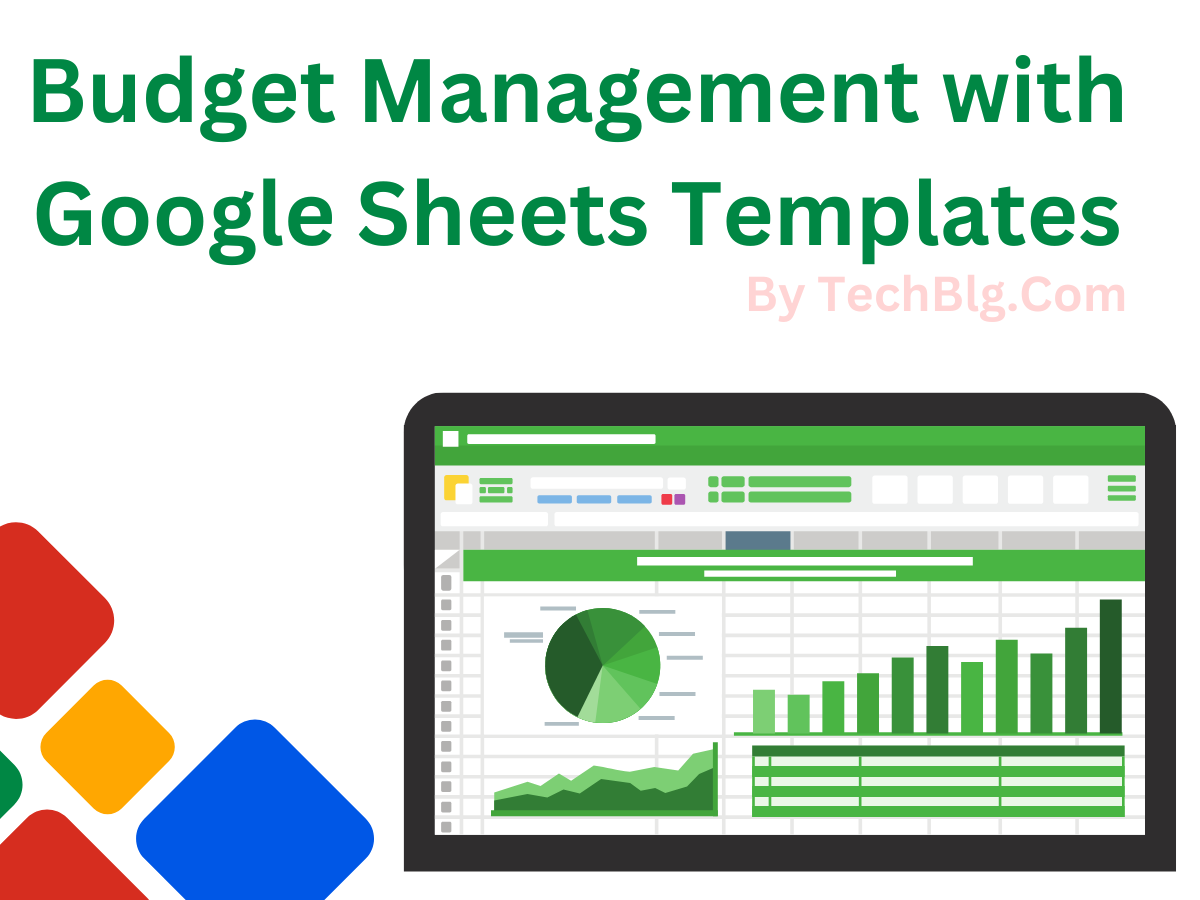
    Budget Management with Google Sheets Templates

    Effective budget management with google sheets templates is crucial for individuals and businesses to maintain financial stability and achieve their goals. Using tools like a Google Sheets budget template or a monthly budget template for Google Sheets, you can track income, expenses, and savings effortlessly. These templates are versatile, customizable, and accessible from any device with an internet connection, making them a practical choice for modern budgeting needs.

    Introduction to Budget Management with Google Sheets

    Budgeting is the foundation of financial planning. Whether you’re managing a household budget, a small business, or an organization, staying organized and tracking your financial health is essential. Google Sheets, with its cloud-based functionality and powerful tools, provides an ideal platform for creating and managing budgets. Its pre-made templates, such as the simple budget template for Google Sheets, allow you to hit the ground running without needing extensive technical knowledge, now you can see whats is Budget Management with Google Sheets Templates .?


    Why Use Google Sheets for Budget Management?

    Budget Management with Google Sheets Templates

    Google Sheets is a preferred tool for budget management due to its flexibility, real-time collaboration, and wide array of templates. Here’s why it stands out:

    1. Accessibility: As a cloud-based platform, you can access your budget from anywhere.
    2. Customizability: Modify templates or create one from scratch to suit your specific needs.
    3. Collaboration: Share budgets with team members, family, or financial advisors for real-time updates.
    4. Integrations: Use add-ons and integrations to automate data entry or sync with other tools.

    How to Start Budgeting with Google Sheets Templates

    Step 1: Choose the Right Template

    Google Sheets offers a variety of templates, such as the monthly budget template Google Sheets or the simple budget template Google Sheets, which are great starting points.

    Step 2: Input Your Financial Data

    Begin by categorizing your income sources and expenses. Include fixed costs (e.g., rent, utilities) and variable expenses (e.g., dining out, entertainment).

    Step 3: Track and Adjust Regularly

    Review your budget periodically. Analyze areas where you’re overspending and adjust your budget to accommodate unexpected expenses or savings goals.


    1. Monthly Budget Template for Google Sheets

    This template is ideal for tracking income and expenses on a month-to-month basis.

    • Features:
      • Pre-defined income and expense categories
      • Automatic calculations for total income, expenses, and savings
      • Visual charts for tracking trends

    2. Simple Budget Template for Google Sheets

    A minimalist template for individuals or small households.

    • Features:
      • Easy-to-use layout
      • Focus on key financial categories
      • Quick customization options

    3. Household Budget Planner Template

    Perfect for families looking to manage joint expenses.

    • Features:
      • Separate columns for each family member
      • Shared expense tracking
      • Goal-oriented savings tracker

    4. Small Business Budget Template

    Designed for startups or small businesses.

    • Features:
      • Revenue and expense tracking by department
      • Forecasting tools for profit and loss
      • Integration options with CRM or ERP systems

    5. Event Budget Template

    Ideal for planning weddings, parties, or corporate events.

    • Features:
      • Cost tracking for vendors, venues, and supplies
      • Budget comparison with actual expenses
      • Detailed reporting for post-event analysis

    Benefits of Using Google Sheets for Budget Management

    ProsCons
    Free to use and easily accessibleLimited advanced automation
    Highly customizable templatesRequires manual updates
    Real-time collaborationLearning curve for beginners
    Integration with other toolsNo offline functionality without setup

    Advanced Features in Google Sheets for Budget Management

    1. Conditional Formatting
      Highlight overspending categories using conditional formatting rules.
    2. Data Validation
      Ensure that only valid data is entered in specific fields, minimizing errors.
    3. Charts and Graphs
      Visualize spending patterns with pie charts and bar graphs.
    4. Add-ons
      Use tools like Tiller Money to sync your bank transactions directly with Google Sheets.

    Master Your Finances with Our Google Sheets Budget Management Template – Simple, Smart, Effective!

    Transform your budgeting process with our expertly designed Google Sheets Template for Budget Management. Perfect for individuals and businesses, this template offers a user-friendly interface, automated calculations, and customizable categories to suit your financial needs. Save time, reduce stress, and gain full control over your income and expenses with a tool that makes budgeting effortless. Whether you’re tracking monthly expenses or planning for future savings, this template ensures accuracy and simplicity. Purchase now and elevate your financial management game today!

    Gain complete control over your finances with our all-in-one Google Sheets Budget Template. Whether managing personal expenses or overseeing business finances, this versatile tool simplifies budgeting and tracking. Monitor your income and expenses with ease, powered by interactive bill calendars, category-based transaction trackers, and visual charts.

    What you’ll get:
    ✓ A streamlined budget-by-paycheck system
    ✓ Comprehensive financial tracking (shopping, utilities, groceries, etc.)
    ✓ Easy-to-use tools requiring only a free Google account

    Unlock the power of smarter budgeting today—simple, effective, and tailored to your needs!

    Struggling to stay on top of your finances? Discover the ultimate Google Sheets Budget Template—your key to effortless budgeting, smarter spending, and financial peace of mind!

    Get It Now for $25

    FAQ Section About Budget Management with Google Sheets Templates

    Can I use Google Sheets templates for business budgeting?

    Yes, Google Sheets offers templates tailored for small businesses, including revenue, expense tracking, and forecasting.

    Are Google Sheets templates free?

    Many templates are free, but premium templates and add-ons may offer additional features.

    How can I share my budget with others?

    Click the “Share” button in Google Sheets to grant access to collaborators.

    Is Google Sheets secure for financial data?

    Google Sheets is secure if you use a strong password and enable two-factor authentication.

    What are the alternatives to Google Sheets for budgeting?

    Microsoft Excel, QuickBooks, and Mint are popular alternatives.

    Conclusion for Budget Management with Google Sheets Templates

    Budgeting is essential for financial stability, and Google Sheets makes it easier than ever to manage your finances effectively. By using templates like the monthly budget template Google Sheets or the simple budget template Google Sheets, you can stay on top of your financial goals without any hassle. Its accessibility, flexibility, and range of features make Google Sheets a go-to tool for individuals and businesses alike.


    References

    1. Google Workspace: Budget Management with Google Sheets Templates
    2. Techblg blog : Streamline Your Business with Google Sheets Templates
  • Google sheets project management template

    Google sheets project management template

    Google sheets project management template

    Introduction

    Google sheets project management template 2025 its just a online sheets but this is a tool on google workspace, so in today fast-paced business environment, efficient project management is essential for success. Whether you’re a freelancer, startup owner, or small business manager, having a reliable system to organize, track, and execute projects can make or break your productivity. While various tools offer sophisticated project management solutions, they often come with high costs and a steep learning curve. Google Sheets, on the other hand, provides a flexible and accessible alternative. This article explores the benefits and features of a Google Sheets project management template and how it can help scale your business. Additionally, we’ll introduce our customizable Google Sheets Project Management Template to help you manage your projects effectively.

    Why Use a Google Sheets Project Management Template?

    For many professionals, Google Sheets serves as an intuitive yet powerful platform for data organization and tracking. With the right template, Google Sheets can become a comprehensive project management tool for any business. Here are a few reasons to consider using a Google Sheets project management template:

    1. Accessibility – Google Sheets is cloud-based, allowing you to access and update your projects from anywhere.
    2. Cost-Effectiveness – Unlike most project management software, Google Sheets is free, making it an ideal choice for small businesses and startups with limited budgets.
    3. Customizability – Google Sheets offers the flexibility to customize templates according to your business needs, without extensive technical knowledge.
    4. Real-Time Collaboration – With Google Sheets, team members can edit the document simultaneously, fostering a collaborative environment.
    5. Data-Driven Decisions – Sheets offer data analysis features like charts, graphs, and pivot tables to help you visualize progress and make data-driven decisions.

    Key Features of the Google Sheets Project Management Template

    A well-designed Google Sheets project management template can streamline your workflow, enabling you to track multiple projects and stay organized. Here are the essential features of a project management template in Google Sheets:

    1. Task Management and Assignment

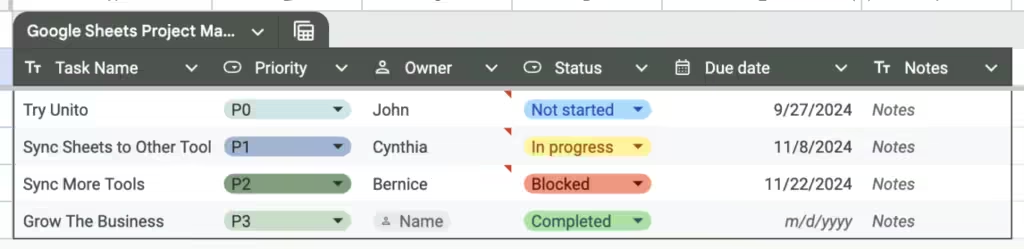
    The template includes task columns to list out individual tasks, assign them to team members, set deadlines, and monitor completion status. You can add color-coded priority markers to emphasize critical tasks and deadlines.

    2. Timeline Tracking

    A timeline or Gantt chart feature allows you to visually track the progress of your projects. Google Sheets can be set up with conditional formatting to automatically update timelines and show dependencies between tasks.

    3. Budget Management

    Managing a project budget is vital, especially for resource-intensive projects. With our template, you can allocate resources and track expenses, ensuring you stay within budget while keeping stakeholders informed of spending patterns.

    4. Automated Progress Tracking

    Google Sheets allows for automation through formulas. With automated progress tracking, you can see an overview of how much of the project has been completed, identify bottlenecks, and gauge whether you’re on track to meet deadlines.

    5. Team Collaboration and Communication

    With Google Sheets, team members can leave comments directly on tasks or updates, facilitating clear and timely communication. This feature is especially helpful for remote teams working across different time zones.

    6. KPI and Goal Tracking

    Our template includes key performance indicators (KPIs) and goal-setting sections, allowing you to measure the success of your projects. Setting KPIs gives team members clear targets and provides stakeholders with progress visibility.

    7. Customizable Dashboard

    A customizable dashboard provides a visual overview of project performance. With charts and graphs, the dashboard consolidates data so you can quickly grasp key metrics like project completion percentage, team member workloads, and budget utilization.

    How to Scale Your Business Using Google Sheets

    1. Streamline Workflows for Better Efficiency

    With organized workflows and real-time updates, Google Sheets helps prevent miscommunication, reduces project delays, and keeps tasks progressing smoothly. This streamlined approach allows your team to focus on high-priority tasks, contributing to overall productivity.

    2. Enhance Budget Tracking and Control

    The built-in budgeting features in our Google Sheets template help you monitor expenses and anticipate costs. Effective budget management can enhance financial stability, reduce the risk of overspending, and allow you to reinvest savings into business growth.

    3. Improve Team Collaboration

    As your team grows, Google Sheets enables remote and in-office teams to collaborate seamlessly. With live updates and comment capabilities, it ensures everyone stays aligned with project objectives, regardless of location.

    4. Track Progress and Make Data-Driven Decisions

    Google Sheets’ data analysis tools empower you to review project metrics at a glance, enabling proactive adjustments to timelines, resources, and budgets. This data-driven approach is essential for scaling effectively, as it helps avoid potential pitfalls and maximize efficiency.

    5. Adapt to Changing Business Needs

    Because Google Sheets is highly customizable, it can grow with your business. You can adjust the template to incorporate new metrics, workflows, or team members without switching to a different software. This adaptability can save your business both time and money.

    Selling Your Digital Product: Google Sheets Project Management Template

    Are you ready to enhance your project management capabilities? Our Google Sheets Project Management Template is crafted to simplify project tracking, streamline workflows, and drive business growth. Perfect for freelancers, small businesses, and teams of all sizes, this template is a cost-effective solution that combines all essential project management tools in one customizable, easy-to-use format.

    With features like automated progress tracking, budget management, and a built-in Gantt chart, our template enables you to oversee every project detail at a glance. Plus, its adaptability ensures that it will remain useful as your team and projects grow. Take the guesswork out of project management and start achieving your business goals faster.

    Conclusion

    In an era of complex software solutions, a Google Sheets project management template stands out for its simplicity, accessibility, and effectiveness. By leveraging Google Sheets for project management, you can streamline your workflows, foster collaboration, and make informed decisions—all crucial steps in scaling your business. Whether you’re a startup owner or a project manager, adopting this tool can set you on the path to growth and success.

    Our Google Sheets Project Management Template is designed to meet the unique needs of businesses at every stage of growth. Try it today and experience the benefits of a powerful, adaptable project management tool.

  • Streamline Your Business with Google Sheets Templates

    Streamline Your Business with Google Sheets Templates

    Introduction

    In today’s fast-paced business landscape, efficiency is everything, and businesses increasingly rely on tools that streamline operations and optimize productivity. One tool that has gained traction for its versatility and ease of use is Google Sheets. A powerful spreadsheet platform with robust functionality, Google Sheets supports data management and organization, crucial elements in businesses of all sizes. By utilizing Google Sheets templates, companies can simplify processes, manage finances, track projects, and even collaborate across teams seamlessly. This article explores how Google Sheets templates, such as budget, schedule, and project management templates, can drive business efficiency, along with recommendations on maximizing its features for everyday use.

    What Are Google Sheets Templates?

    Google Sheets templates are pre-designed spreadsheets that help businesses perform a variety of tasks, from budgeting to project management. They offer built-in formulas, data visualization, and layout structures that save businesses from creating complex spreadsheets from scratch. These templates are a go-to choice for many because they can be easily customized to suit different business needs, whether tracking monthly expenses or managing timelines for complex projects.

    Why Use Google Sheets for Business?

    Businesses choose Google Sheets for multiple reasons. First, it’s cloud-based, so teams can access and edit data in real time from anywhere with internet access. This collaboration capability makes it easy for businesses to operate flexibly and efficiently. Additionally, Google Sheets integrates smoothly with other Google Workspace tools, facilitating seamless workflow within a single platform. It also offers powerful formulas and automation functions, enabling businesses to build custom solutions without investing in costly software.


    Key Google Sheets Templates to Consider

    1. Budget Template Google Sheets

    A budget template in Google Sheets is essential for businesses that need to monitor expenses and manage cash flow effectively. This template enables businesses to set financial goals, track income, and record monthly or yearly expenses. It can help with real-time financial forecasting, allowing stakeholders to make informed decisions based on current data.

    • Features: Automated calculations, customizable income and expense categories, visual graphs for expense tracking
    • Pros: User-friendly, free, and highly customizable
    • Cons: Limited advanced analytics for large financial operations

    2. Schedule Template Google Sheets

    The schedule template helps businesses manage time efficiently. It enables users to create detailed schedules for employees, projects, or meetings. This template can improve productivity by keeping everyone on track and aware of deadlines.

    • Features: Timeline view, daily/weekly/monthly scheduling options, color-coding for task differentiation
    • Pros: Real-time updates for teams, easy integration with Google Calendar
    • Cons: Basic scheduling options may not meet all business needs

    3. Timeline Template Google Docs

    A timeline template in Google Sheets is ideal for project planning. It allows businesses to visualize each phase of a project and its corresponding timeline, making it easier to manage milestones and track progress.

    • Features: Gantt chart functionality, milestone tracking, deadline alerts
    • Pros: Visual representation of project stages, simple milestone management
    • Cons: May lack the advanced features found in dedicated project management software

    4. Monthly Budget Template Google Sheets

    This template is ideal for businesses that require detailed monthly budget tracking. It provides a clear layout to input revenues and expenses, monitor variances, and track budget adherence.

    • Features: Budget variance analysis, data visualization, expenditure tracking
    • Pros: Helps keep monthly finances on track, easy-to-read format
    • Cons: Limited for large-scale budget analysis without customization

    5. Project Management Template Google Sheets

    A project management template is a versatile tool for handling multiple projects. This template can help assign tasks, set deadlines, and monitor each project’s progress through a timeline or Kanban board format.

    • Features: Task tracking, deadline alerts, team assignments
    • Pros: Simple and customizable for any project type, facilitates team accountability
    • Cons: May not include advanced project tracking features of other PM software

    Benefits of Using Google Sheets Templates in Business

    1. Cost-Effective: Google Sheets is free for users with a Google account, making it a great choice for startups and small businesses looking to minimize software costs.
    2. Ease of Collaboration: Google Sheets allows multiple users to work on the same document simultaneously, making it ideal for teams that need to share real-time updates.
    3. Data Security: Since Google Sheets is part of the Google ecosystem, it benefits from Google’s robust security features, including two-factor authentication and end-to-end encryption.
    4. Customizable and Scalable: Templates in Google Sheets are highly customizable, which allows businesses to scale their data management as they grow.

    How to Use Google Sheets Templates for Various Business Functions

    Financial Planning

    For financial planning, templates like the Monthly Budget Template and Budget Template Google Sheets are essential. They allow businesses to set spending limits, forecast cash flows, and perform monthly reconciliation. Using pre-set formulas, these templates automatically calculate totals and variances, saving time and reducing errors.

    Project Management

    Google Sheets provides tools to manage projects using templates such as the Gantt Chart Google Sheets Template and Project Management Template. These templates help organize tasks, assign responsibilities, and track deadlines, making them crucial for project-based businesses.

    Scheduling and Timelines

    Scheduling templates are critical for businesses with complex timelines and team dependencies. The Schedule Template Google Sheets and Timeline Template Google Docs can be used to organize daily tasks, monitor employee shifts, and track project milestones. These templates ensure that timelines are clear, tasks are completed on schedule, and resources are allocated effectively.

    Inventory Tracking

    For businesses managing product stock, an inventory management template helps in tracking inventory levels, stock replenishments, and supplier details. Google Sheets’ flexible layout allows for easy customization, enabling businesses to create a robust inventory tracking system without additional software costs.

    Customer Relationship Management (CRM)

    A CRM template in Google Sheets helps track customer interactions, sales pipeline stages, and follow-up schedules. For small businesses, this template can serve as a basic CRM system, capturing essential client data without a heavy investment in CRM software.


    Top Five Google Sheets-Compatible Software

    While Google Sheets is powerful on its own, integrating it with additional tools can significantly expand its functionality. Here are five software options that enhance Google Sheets for business use:

    SoftwareDescriptionKey FeaturesPricing (approx.)ProsCons
    ZapierAutomates tasks between Google Sheets and other appsCustom workflows, app integrationsFree; $20+/monthSaves time with automation, no coding neededLimited for advanced users
    Coupler.ioAutomates data import/export between Google Sheets and other data sourcesAuto data sync, data mergingFree; $24+/monthGreat for data consolidation, easy to useLimited customization
    SheetgoManages and automates workflows in Google SheetsWorkflow automation, data linkingFree; $10+/monthSimplifies complex data workflowsLimited features for large teams
    SupermetricsImports marketing data directly into Google SheetsData visualization, custom reports$39+/monthIdeal for marketers, powerful reportingHigher price range
    AppSheetAllows for building apps directly from Google SheetsNo-code app building, integrates with SheetsFree; $5+/user/monthAllows for custom business app creationSteeper learning curve for beginners

    Common Questions about Google Sheets Templates for Business

    1. What types of businesses benefit most from Google Sheets templates?
      Google Sheets templates are highly versatile, benefiting businesses of all sizes in finance, project management, HR, and more.
    2. Can Google Sheets templates replace dedicated software?
      For small to medium-sized businesses, Google Sheets templates can be a viable alternative, though larger enterprises may need more specialized software.
    3. Is data stored in Google Sheets secure?
      Yes, Google Sheets uses encryption and Google Workspace’s security protocols, making it secure for business use.
    4. How can I create custom templates in Google Sheets?
      Start by creating your desired layout, save it, and use “Make a copy” as a reusable template.
    5. Can I integrate Google Sheets with other business tools?
      Yes, Google Sheets integrates with apps like Zapier, Supermetrics, and AppSheet for enhanced functionality.

    Conclusion

    Google Sheets templates are invaluable tools for businesses seeking a flexible, cost-effective solution for data management. From budgeting and scheduling to project and inventory management, Google Sheets’ templates provide an accessible, powerful platform for streamlining business operations. For those exploring the possibilities of Google Sheets, remember that combining it with integration tools like Zapier or Sheetgo can elevate its potential even further. As businesses continue to digitize and automate, Google Sheets templates remains a foundational resource for teams looking to optimize workflow and foster collaboration without compromising on quality or security.

  • The ultimate Google Sheets Guide for small businesses

    The ultimate Google Sheets Guide for small businesses

    Google Sheets for Business: A Comprehensive Guide to Enhancing Efficiency

    Google Sheets is a free, cloud-based spreadsheet tool from Google that allows users to create, edit, and collaborate on spreadsheets in real-time. It offers features for data analysis, chart creation, and automation through formulas and Google Apps Script. Accessible from any device with internet access, Google Sheets is commonly used for tasks like budgeting, project management, and data tracking.

    Introduction

    Google Sheets, a versatile spreadsheet tool within Google Workspace, has become invaluable to businesses of all sizes. From startups managing inventory to enterprises tracking employee data, Google Sheets provides a powerful, accessible, and collaborative platform for organizing and analyzing data. With the availability of specialized templates, this tool is tailored for diverse business needs, streamlining everything from budgeting to daily planning.

    This article dives deep into Google Sheets’ potential for businesses, exploring its functions, benefits, and the specific templates that can simplify core operations like inventory, CRM, ERP, HR, and financial planning.


    Understanding Google Sheets: What It Offers Businesses

    Google Sheets is a cloud-based spreadsheet software that offers real-time collaboration, robust data handling, and flexible customization options. Its accessibility from any internet-connected device makes it ideal for distributed teams, and with Google’s add-ons, formulas, and app integrations, Sheets is as powerful as it is easy to use. Here’s how Google Sheets is transforming business workflows:

    1. Cost Efficiency: Google Sheets is free for basic use, with advanced features available in the affordable Google Workspace subscription. This makes it accessible for small businesses and startups with limited budgets.
    2. Accessibility and Collaboration: Team members can access Google Sheets from anywhere, and with real-time editing, it supports seamless collaboration without file-sharing hassles.
    3. Customizability with Templates and Formulas: Ready-made templates and customizable formulas allow businesses to adapt Sheets to various functions without requiring complex coding or extensive software knowledge.

    Using Google Sheets Templates to Simplify Business Functions

    Templates in Google Sheets provide a foundation for organizing data effectively, without building from scratch. Below are key templates that businesses can leverage for better productivity and organization.


    1. Inventory Management

    Managing stock levels, tracking reorder points, and keeping tabs on suppliers are essential tasks for any product-based business. Google Sheets templates for inventory management offer a simplified way to maintain organized and accessible stock data.

    • Purpose: Track product quantities, restocking needs, and supplier contacts.
    • How to Use: Record stock levels and set alerts for low inventory. Inventory templates also enable tracking purchase orders and categorizing products for easier management.

    This template can replace a dedicated ERP system for smaller operations, offering an affordable solution for essential inventory tasks. Customizable fields make it possible to adapt the template as your product line or inventory needs grow.


    2. Customer Relationship Management (CRM)

    CRM is crucial for tracking customer interactions, managing leads, and nurturing customer relationships. With Google Sheets’ CRM templates, businesses can implement a system for capturing client data, tracking communication, and managing follow-ups without investing in full-scale CRM software.

    • Purpose: Manage client data, track customer interactions, and organize sales efforts.
    • How to Use: CRM templates allow for client details, such as contact information, purchase history, and follow-up notes. These records help streamline sales efforts and strengthen customer relationships.

    CRM templates in Sheets offer easy integration with Google Forms for data entry and Apps Script for automation, enhancing functionality without requiring costly software.


    3. Human Resources (HR)

    Google Sheets HR templates help track employee data, time off, and performance reviews. They serve as a basic yet effective way to manage workforce information, providing an organized structure for employee records and routine HR tasks.

    • Purpose: Keep track of employee information, attendance, and review schedules.
    • How to Use: Record employee details like contact information, job roles, and performance review notes. Attendance tracking and vacation records can be automated, simplifying HR management.

    For small to medium businesses, HR templates in Sheets can serve as a substitute for an HR software, helping organize team data while staying within budget.


    4. Daily and Monthly Planners

    Planning templates keep teams on task and on schedule, supporting both personal productivity and project management. Google Sheets’ planner templates provide a structured framework to allocate daily tasks, set deadlines, and monitor progress.

    • Purpose: Structure tasks, deadlines, and objectives for individual or team projects.
    • How to Use: Use a daily planner to prioritize tasks and a monthly planner to manage longer-term goals. For team projects, these templates provide a shared space for updates, ensuring everyone is aligned.

    This approach is ideal for managing work schedules, coordinating tasks, and keeping team members on track, especially for remote or hybrid teams.


    5. Monthly Budget

    Managing finances is crucial to any business’s stability and growth. Google Sheets offers templates that simplify budgeting by organizing expenses, income, and savings goals in one place.

    • Purpose: Track income and expenses, and set budget goals.
    • How to Use: Budget templates categorize financial inflows and outflows, generating summaries that visualize monthly financial health. With built-in charts and tracking functions, budgeting templates make financial oversight straightforward and accessible.

    For businesses looking to gain control over finances without complex accounting software, Sheets’ budgeting templates are a practical and effective tool.


    Customizing Google Sheets for Advanced Business Needs

    Google Sheets’ adaptability goes beyond basic templates. By integrating with Google Forms, Apps Script, and add-ons like “Yet Another Mail Merge” for automated emails, businesses can create workflows tailored to specific needs. Here’s how to maximize Sheets:

    1. Automation with Apps Script: Automate repetitive tasks, like sending reminders or updating sheets, to save time and reduce errors.
    2. Data Collection with Google Forms: Collect information directly into Sheets, streamlining data entry for HR, CRM, and customer feedback.
    3. Integration with Other Tools: Connect Sheets to analytics tools like Google Data Studio or Power BI, creating comprehensive reports for deeper business insights.

    Frequently Asked Questions

    1. What is the primary advantage of using Google Sheets over other software?
      Google Sheets offers real-time collaboration, accessibility from any device, and cost-effectiveness, especially for small businesses.
    2. How can I use Google Sheets for financial tracking?
      With budgeting templates, you can easily categorize expenses and monitor your financial position monthly, quarterly, or annually.
    3. Is Google Sheets secure enough for business data?
      Google provides robust security features for Sheets, including encryption, access controls, and multi-factor authentication.
    4. Can I use Google Sheets as an ERP or CRM alternative?
      For small operations, yes. Sheets offers customizable templates for inventory and CRM, but larger businesses may benefit from dedicated software for complex needs.

    Conclusion: Unlock the Power of Google Sheets in Your Business

    Google Sheets stands out as a versatile and cost-effective tool for businesses, offering templates that support core operations, from HR to CRM and inventory management. For small businesses or startups, Sheets’ accessibility and collaborative capabilities make it an ideal choice for organizing and managing essential functions without significant expense. Embracing Google Sheets templates can help streamline operations, improve data accuracy, and keep your team aligned, positioning your business for growth and success.

  • The Best document management systems

    The Best document management systems

    The Best Document Management Systems

    The Best document management systems

    Table of Contents

    1. Introduction
    2. PandaDoc
    3. Microsoft SharePoint
    4. Google Sheets
    5. Dropbox Business
    6. OneDrive
    7. The Importance of Expert Customization
    8. Why Choose Fiverr for Customization
    9. Conclusion

    Introduction

    In the fast-paced world of business, managing documents efficiently is crucial for maintaining productivity and organization. The best document management systems (DMS) are designed to streamline the storage, retrieval, and sharing of documents, ensuring that you and your team can access important files with ease. These systems offer a range of features that cater to different business needs, from document storage and collaboration to advanced security and integration capabilities. Let’s dive into some of the top document management systems available today—PandaDoc, Microsoft SharePoint, Google Sheets, Dropbox Business, and OneDrive—and explore how each can benefit your small business.

    • PandaDoc

    The Best document management systems
    The Best document management systems

    PandaDoc is a powerful document management system tailored for businesses that need to handle contracts, proposals, and agreements efficiently.

    E-Signatures: Streamlines the signing process with electronic signatures, reducing the need for physical paperwork.
    Document Templates: Offers a range of customizable templates to create professional documents quickly.
    Workflow Automation: Automates document workflows, saving time and reducing manual errors.
    Integration: Integrates with popular CRM and payment systems for seamless operations.
    Analytics: Provides detailed analytics on document interactions and performance.

    PandaDoc can be a game-changer for managing contracts and proposals, but to fully leverage its features, professional customization is essential. Find a Fiverr expert who can tailor PandaDoc to fit your specific document workflows and business processes. Explore Fiverr’s PandaDoc experts here

    • Microsoft SharePoint

    The Best document management systems
    The Best document management systems

    Microsoft SharePoint is a robust DMS that excels in collaboration and content management.

    Collaboration Tools: Facilitates team collaboration with shared workspaces and document libraries.
    Version Control: Keeps track of document versions, allowing you to revert to previous versions if needed.
    Customizable Workflows: Allows you to create custom workflows and automate business processes.
    Integration: Integrates seamlessly with Microsoft Office and other Microsoft products.
    Security: Provides advanced security features to protect sensitive information.

    To ensure Microsoft SharePoint is optimized for your specific business needs, expert customization is crucial. Hire a Fiverr specialist to configure SharePoint to your exact requirements, enhancing its functionality for your business. Find a SharePoint expert on Fiverr  for tailored solutions.

    • Google Sheets

    The Best document management systems
    The Best document management systems

    Google Sheets is more than just a spreadsheet tool; it’s a versatile document management solution with several valuable features.

    Real-Time Collaboration: Enables multiple users to work on the same document simultaneously.
    Cloud Storage: Automatically saves your documents to the cloud, ensuring they’re accessible from anywhere.
    Integration: Integrates with other Google Workspace tools and third-party applications.
    Data Analysis: Provides advanced functions and data analysis capabilities for complex document management needs.
    Accessibility: Offers easy access and sharing options, making it a convenient choice for teams.

    Google Sheets is ideal for collaborative document management, but proper setup and customization are key to maximizing its potential. Connect with a Fiverr expert to tailor Google Sheets to your business workflows and improve overall efficiency. Check out Fiverr’s Google Sheets experts here

    • Dropbox Business

    The Best document management systems
    The Best document management systems

    Dropbox Business provides a cloud-based solution for document storage and sharing, with features designed to enhance team productivity.

    File Sharing: Simplifies file sharing with secure links and permissions.
    Cloud Storage: Offers scalable cloud storage options, allowing you to store and access large amounts of data.
    Syncing: Ensures files are synchronized across all devices, providing seamless access.
    Collaboration Tools: Includes features for team collaboration, such as shared folders and comments.
    Security: Provides robust security features to protect your documents.

    For optimal use of Dropbox Business, expert customization is important to align it with your specific business processes. Find a Fiverr freelancer who can configure Dropbox Business to meet your needs and enhance its functionality. Explore Dropbox Business services on Fiverr

    • OneDrive

    The Best document management systems
    The Best document management systems

    OneDrive is Microsoft’s cloud storage solution that integrates well with other Microsoft products, making it a convenient choice for document management.

    Seamless Integration: Works effortlessly with Microsoft Office applications and other Microsoft services.
    File Sharing: Allows easy sharing of files and folders with customizable permissions.
    Version History: Keeps a history of file versions, enabling easy retrieval of previous versions.
    Collaboration: Supports real-time collaboration on documents.
    Cloud Storage: Provides reliable cloud storage with easy access from any device.

    OneDrive can be highly effective for document management when customized properly. Hire a Fiverr expert to set up and optimize OneDrive for your business needs, ensuring that you get the most out of its features. Find OneDrive experts on Fiverr here

    The Importance of Expert Customization

    While these document management systems offer a wide array of features, achieving the best results often requires expert customization. Tailoring a DMS to your specific business processes and workflows ensures that you fully leverage its capabilities, enhancing productivity and efficiency. Private agencies can be expensive, but Fiverr provides a cost-effective alternative. By connecting with skilled freelancers on Fiverr, you can get customized solutions at a fraction of the cost, making expert-level configuration and optimization more accessible.

    Why Choose Fiverr for Customization

    Elevate your document management with expert customization from Fiverr. Fiverr connects you with talented professionals who can tailor your DMS system to meet your exact business needs, offering a budget-friendly alternative to traditional high-cost agencies. Find the right freelancer on Fiverr today to help you optimize your chosen DMS for maximum efficiency and effectiveness. [Explore Fiverr’s expert services here](https://www.fiverr.com) and take the first step towards transforming your document management practices.

    Conclusion

    Choosing the right document management system is essential for maintaining efficiency and organization in your small business. Whether you opt for PandaDoc, Microsoft SharePoint, Google Sheets, Dropbox Business, or OneDrive, each system offers unique features that can benefit your operations. To fully harness the power of these DMS solutions and ensure they are customized to fit your specific needs, expert assistance is crucial.

    Invest in expert customization from Fiverr to tailor your document management system effectively and enhance your business processes. Discover Fiverr’s services now and unlock the full potential of your DMS for greater success and productivity.+

    you can also read this guide : The Ultimate Guide to Document Management Systems (DMS)

    References:

    1. PandaDoc

    2. Microsoft SharePoint

    3. Google Sheets:

    4. Dropbox Business

    5. Microsoft OneDrive